0
AK-47 vs AK-74: A Guide to Two Iconic Platforms
Turn on any first-person shooter video game or watch any action movie set in a contemporary setting from the last few decades, and you will see an AK-style rifle. The AK platform is one of the most recognizable firearms designs in the world.
The iconic and ubiquitous nature of the platform has made it a hot commodity in the US market in recent years. It is a natural path for many Americans seeking to expand their collections beyond bolt action and AR-style rifles.

This article will break down the AK-47 and AK-74 platforms to help you decide if either is right for you. It will primarily focus on the civilian ownership perspectives while delving into each rifle’s historical and military aspects.
As the owner of rifles from both platforms, I don’t think you’ll be disappointed with either!
Shared DNA: What’s the Same?
Many people have little understanding that the AK-47 and AK-74 are more different than similar.
So, let’s start with similarities before we discuss what makes the rifles different. First, both rifles are from the same design lineage. Legendary firearms designer Mikhail Kalashnikov is responsible for the rifles, and over time, each has been refined to meet the demands of a changing world. Both rifles look very similar, having the same basic receiver layout. They also share a long-stroke gas piston system and a rotating bolt.

Surplus AK-47 magazine with a new production AK-74 magazine
The manual of arms between the two rifles is the same: you load, charge, and fire both the same way. To field strip both rifles, you follow the same procedures, and both have the rugged reliability that has made the AK platform famous and popular.
Key Differences: Caliber and Purpose
Caliber
This is a big one. Firing the wrong caliber bullet in any firearm is a quick way to experience a world of hurt. Thankfully, it is very, very difficult to pull that off with the AK-47 and AK-74.
The AK-47 came first and was birthed in a world where .30 caliber rifles were supreme. The AK-47 is chambered in 7.62×39, one of the first intermediate cartridges. It is an older design than the 5.45×39 that the AK-74 is chambered in.
Drawing on the prevailing doctrine of the era, 7.62×39 hits hard and performs well within 300 yards. It has good barrier penetration and a proven track record for both civilian and military performance. The size of the projectile and performance characteristics affect the rounds’ recoil, trajectory, and terminal performance.
Plus, the larger case diameter requires the “banana” shape of the AK-47’s magazine. For a rifle round, this means a heavy but slow hammer.

Do you think optics should be run on AKs?
5.45×39 was the Soviet answer to the 5.56×45 NATO that the US M16 was using. The Cold War was raging, and the smaller, lighter 5.45×39 offered the same advantages the United States saw with the 5.56. It was flatter-shooting, had lower-recoil, and each soldier could carry more ammo than 7x62x39. These attributes meant better control, quicker follow-up shots, and a lighter rifle/loadout. All of this made 5.45×39 and, consequently, the AK-74 appealing.
For civilians, the factors that made the AK-74 appealing to Cold War-era militaries also make it appealing for competition, defense, and general shooting.
Recoil and Control
The AK-74 is, hands down, an easier rifle to handle. New and recoil-sensitive shooters will shoot an AK-74 better than an AK-47 almost every time. The 5.45 produces roughly half the felt recoil as 7.62×39.

A traditional AK-47 muzzlebreak on the left vs an AK-74 muzzlebreak on the right.
Additionally, AK-74s, like mine, come with effective muzzle brakes that help mitigate recoil, while AK-47 rifles frequently come with less effective breaks. Thankfully, this is an easy part to change.
Accuracy and Range
Neither rifle will be winning many shooting competitions. They were designed for the battlefield, not the benchrest. That said, they are more than “minute of man” capable and should, at worst, be 3-MOA. Three hundred yards is well within the range of both rifles, but the AK-74 will get you better hits with less effort.
For most of us, i.e., civilians with civilian applications, either rifle will do the job.
Ammunition: Availability and Affordability
Both 7.62×39 and 5.45×39 used to be easy to find and very cheap. However, since 2014, and significantly since the Russian invasion of Ukraine in 2022, changes to availability and cost have affected both rounds.
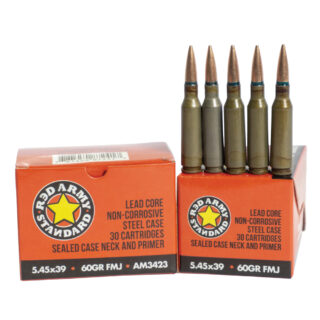

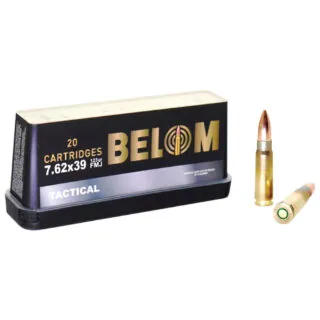
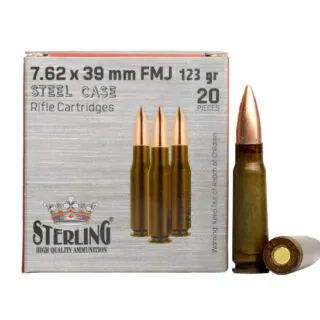
While 7.62×39 is still readily available, albeit at higher prices than it used to be. Both US and foreign manufacturers produce it, and big box stores generally have it on their shelves all the time. 5.45×39 is much more limited in availability. Manufacturers are selling to the American market, but it is a limited group.
Civilian Uses: Where Each Rifle Shines
AK-47 (7.62×39)

Uses: Home defense, hunting, SHTF, truck gun.
Why: The 7.62×39 is a legendary cartridge for a reason. It hits hard and can pass through walls, brush, and other barriers. Despite its age, it is still in widespread use around the world. The AK-47 didn’t earn its reputation by being a paper tiger, and its 7.62×39 cartridge packs a punch.
AK-74

Uses: Training, range days, home defense, competition shooting.
Why: It has lower recoil and shoots flatter. The AK-74 is light, controllable, and fun. The 5.45 round has a battlefield-proven record of being a manstopper as well, just without the heft of 7.62×39.
Modernization and Aftermarket
The 47 in AK-47 is the year it was first adopted and produced. Modern designs benefit from advances in ergonomics over the last 75 years. That being said, the ubiquitous nature of AK-style rifles means there is a large aftermarket for the rifles.
Sides rails, railed dust covers, and gas tube mounts let you run red dots and low-power variable optics, and it is easy to replace the stock and grips on the rifles.
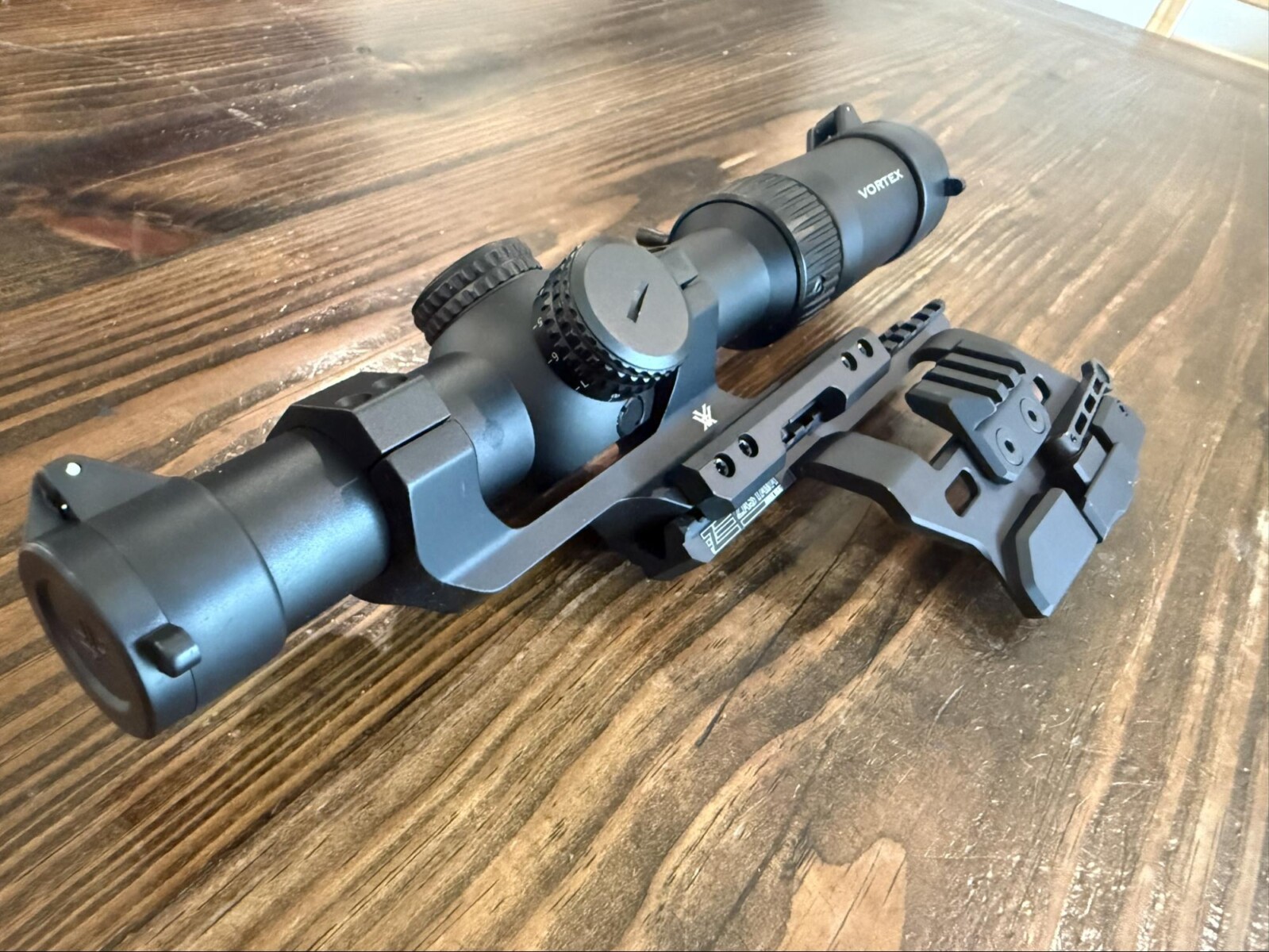
LPVO’s are great accessories for either rifle.
Pros and Cons Summary
AK-47 Pros
- Widely available ammo
- Heavy impact on target
- Large aftermarket
- Proven reliability and durability
AK-47 Cons
- More recoil
- Heavier
- Shorter effective range
AK-74 Pros
- Easy to control & less felt recoil
- Flat shooting trajectory
- Lightweight mags/ammo
- Generally easier to rapid-fire accurately
AK-74 Cons
- Ammo is more expensive and harder to find
- Fewer manufacturers in the US limits availability of rifles
- Less barrier penetration
- Not appropriate for most hunting applications
Last Words
The choice between the AK-47 and AK-74 mainly comes down to what your intended use is. If you want the O.G. hard-hitting rifle with lots of aftermarket support and cheaper ammo, go with the AK-47. If you want something lighter, faster, and more friendly to new shooters, the AK-74 checks those boxes.

Classic wood vs modern polymer: which one do you prefer?
The AK-47 and AK-74 have earned their reputations, not just on the range but on the battlefield. Whichever rifle you get, it’s hard to go wrong with one of history’s greatest firearms, the Kalashnikov.