0
Ammunition Myths: Debunking Common Misconceptions
Hundreds, if not thousands of myths circle the firearms community, many of which revolve around ammunition. I’ve heard more than I can remember, some relatively believable and some so farfetched I can’t believe they were even muttered once.
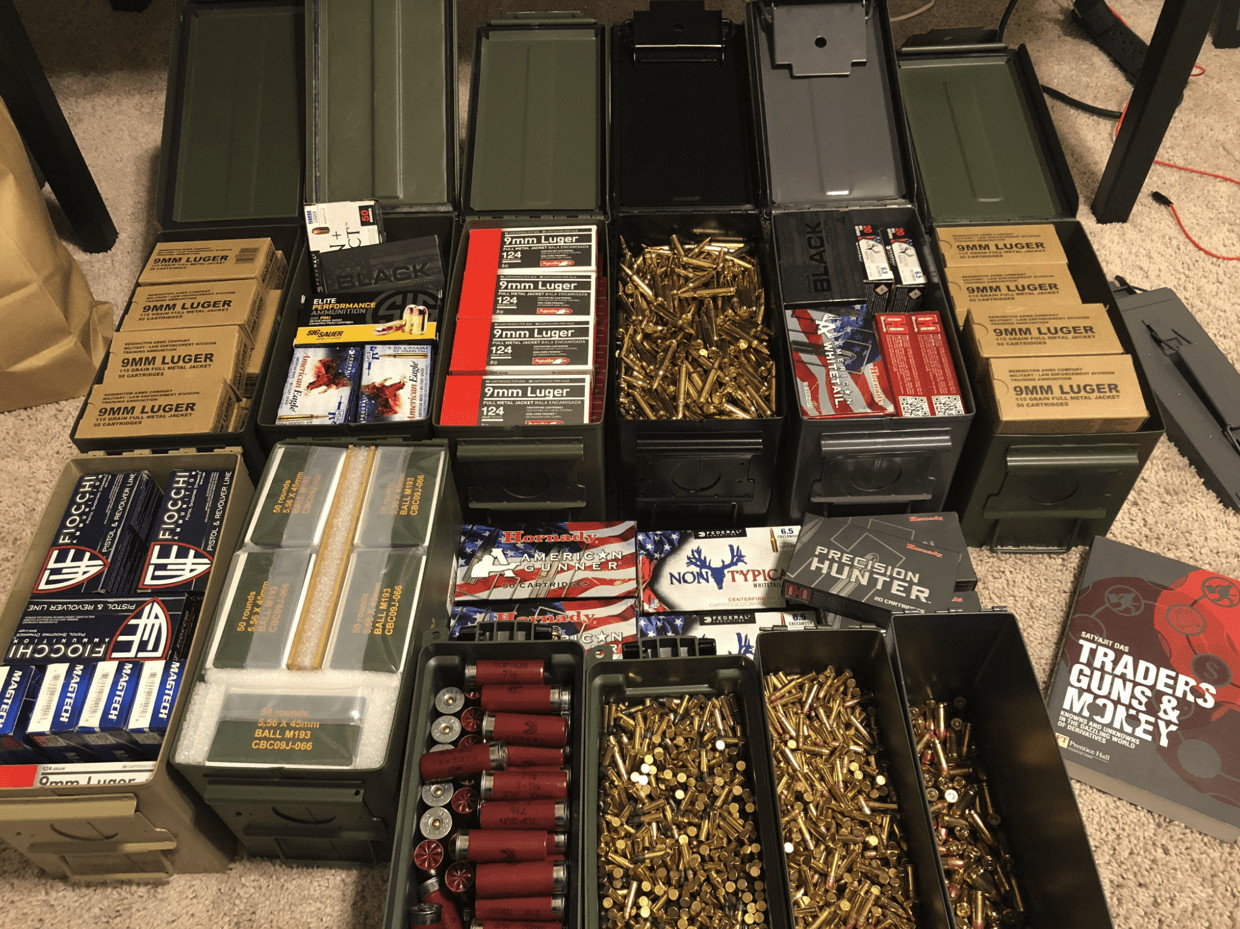
Let’s talk about ammo! Source
I would never be able to list them all, but I will touch on six of the most common ones that I have heard. Try to think if you can recall hearing any of these…I bet you can!
Myth 1: You can only buy specific quantities of certain ammunition
If you started getting into firearms in the last few years, this is a very understandable thought you may have had. Panic buying stemming from recent elections and “shortages” stemming from…oh, who really knows, have caused many retailers to limit the number of boxes of certain ammunition you can purchase.
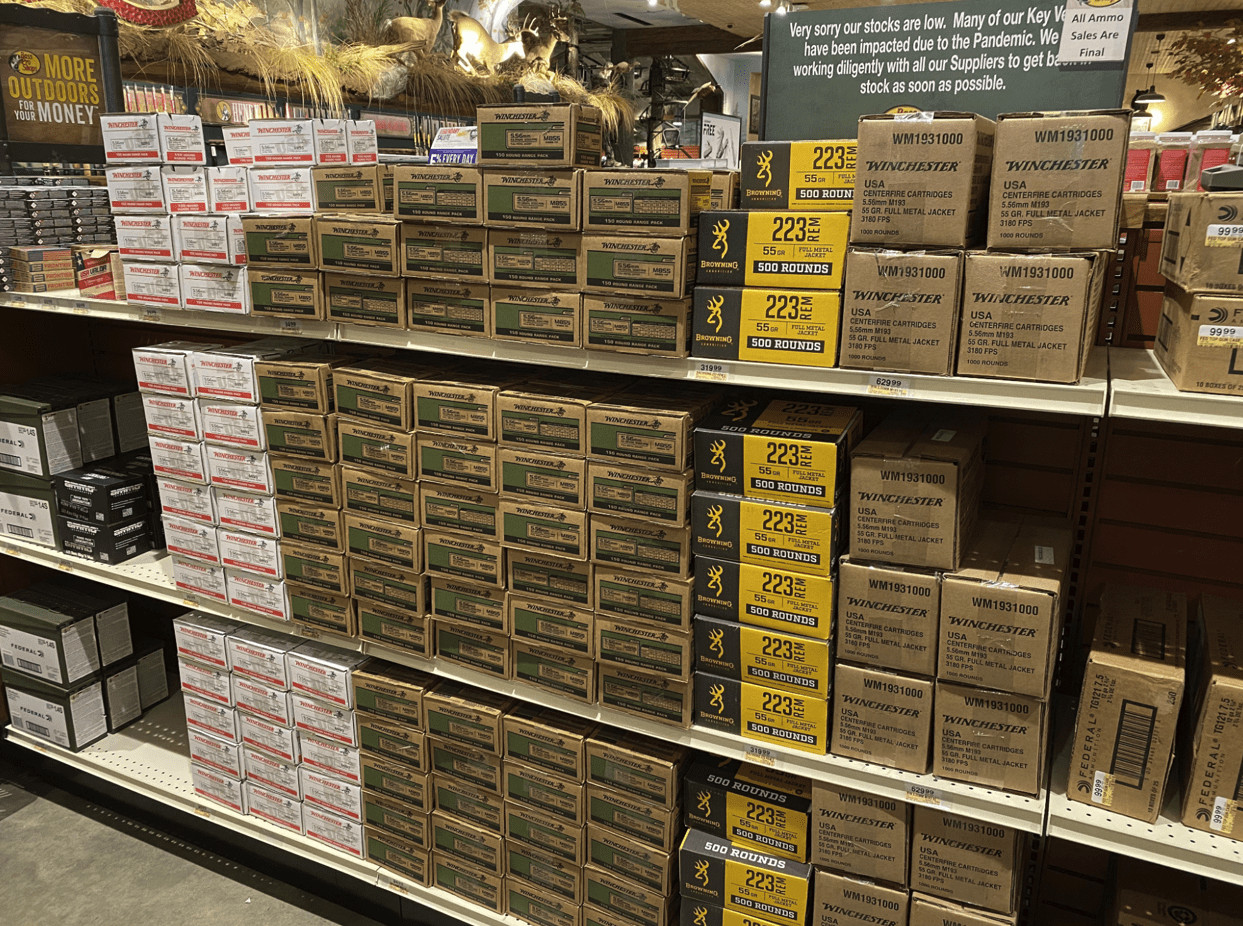
Fully stocked shelves don’t always mean you can buy it all. Source
I have personally seen stores limit customers to one box of ammo per caliber—not a case of ammo, but a box of ammo! Fortunately, you can order ammo online and have it delivered directly to your door, and many retailers have loosened their limits or completely removed them.
Myth 2: Larger bullets directly result in more stopping power
There are many factors to consider when choosing which caliber or specific round you should carry or hunt with to maximize stopping power. Many think it’s fair to assume the bigger the bullet, the more stopping power it has.
That is true to a certain extent, but there are many more factors that go into stopping power. The bullet type, bullet weight, velocity, and type of firearm the bullet is being fired from all come into play when evaluating stopping power.
A quick and dirty example: a 147-grain JHP 9mm round could provide more stopping power than an FMJ .45 ACP round.
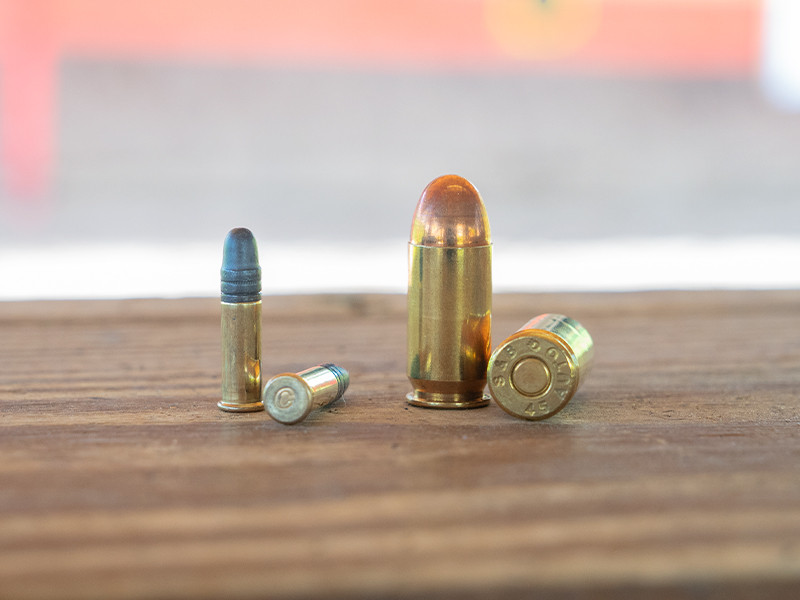
Of course, sometimes size does matter. Source
Myth 3:You should only use FMJ rounds at the range
“You shouldn’t use your defensive JHP ammo at the range” is something I’m willing to bet you’ve heard at one point or another throughout your shooting adventures. From a cost perspective, that does make sense because they are often more expensive than comparable FMJ ammo, so you won’t want to burn through high quantities of it.
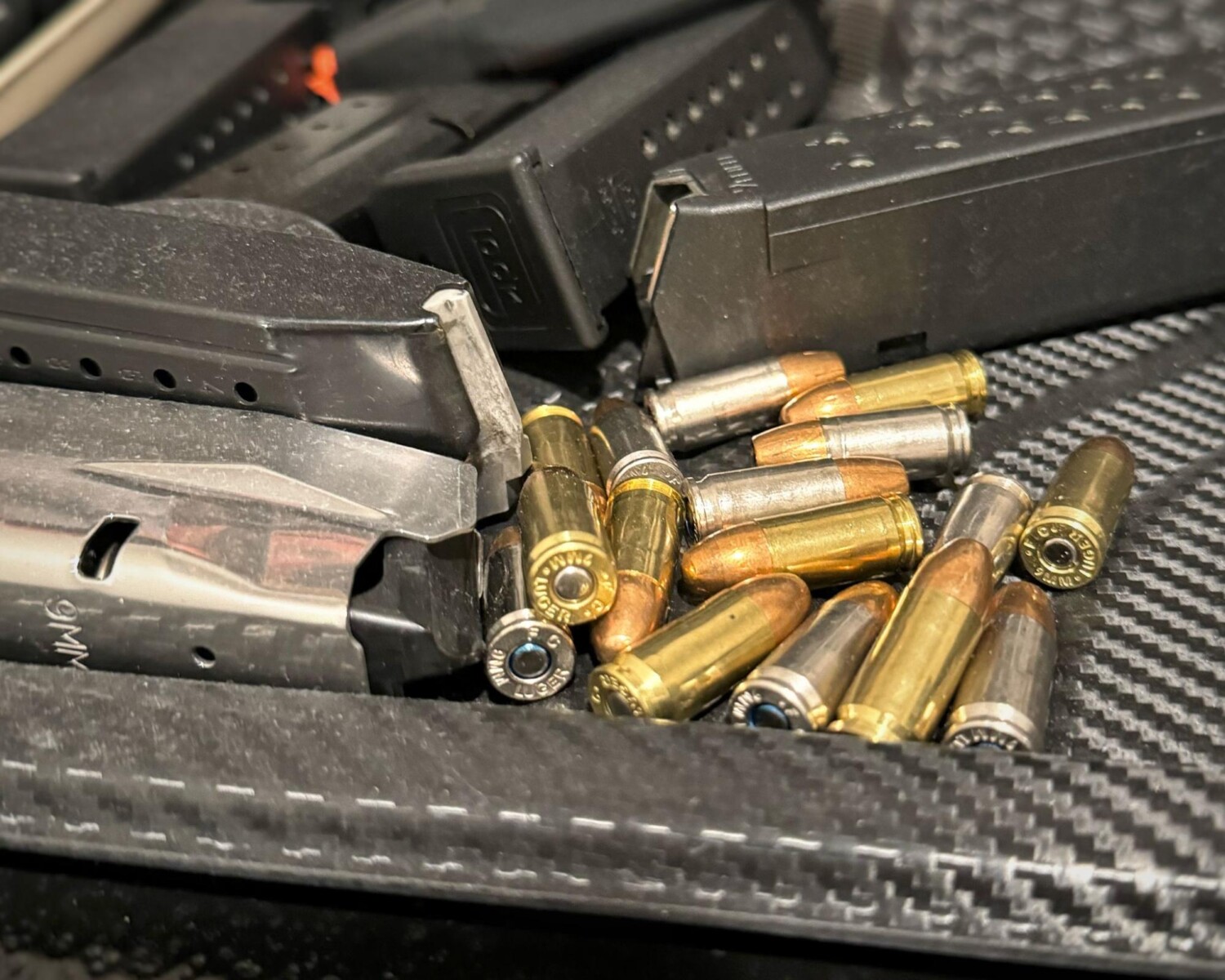
Be sure to try any and all types of ammo through any firearm that will be used in a defensive role.
However, you should actually use JHP rounds at the range sometimes to ensure your chosen firearm and respective ammo get along. Training is a critical component of defending yourself, and you’ll want to know that your defensive gun cycles the ammo without issue and how it performs with it.
Myth 4: Ammo has an expiration date
I will consider Myth #4 half-true. Your ammunition can remain useable for decades if stored properly (at acceptable temperatures, avoiding humidity/moisture, etc.).
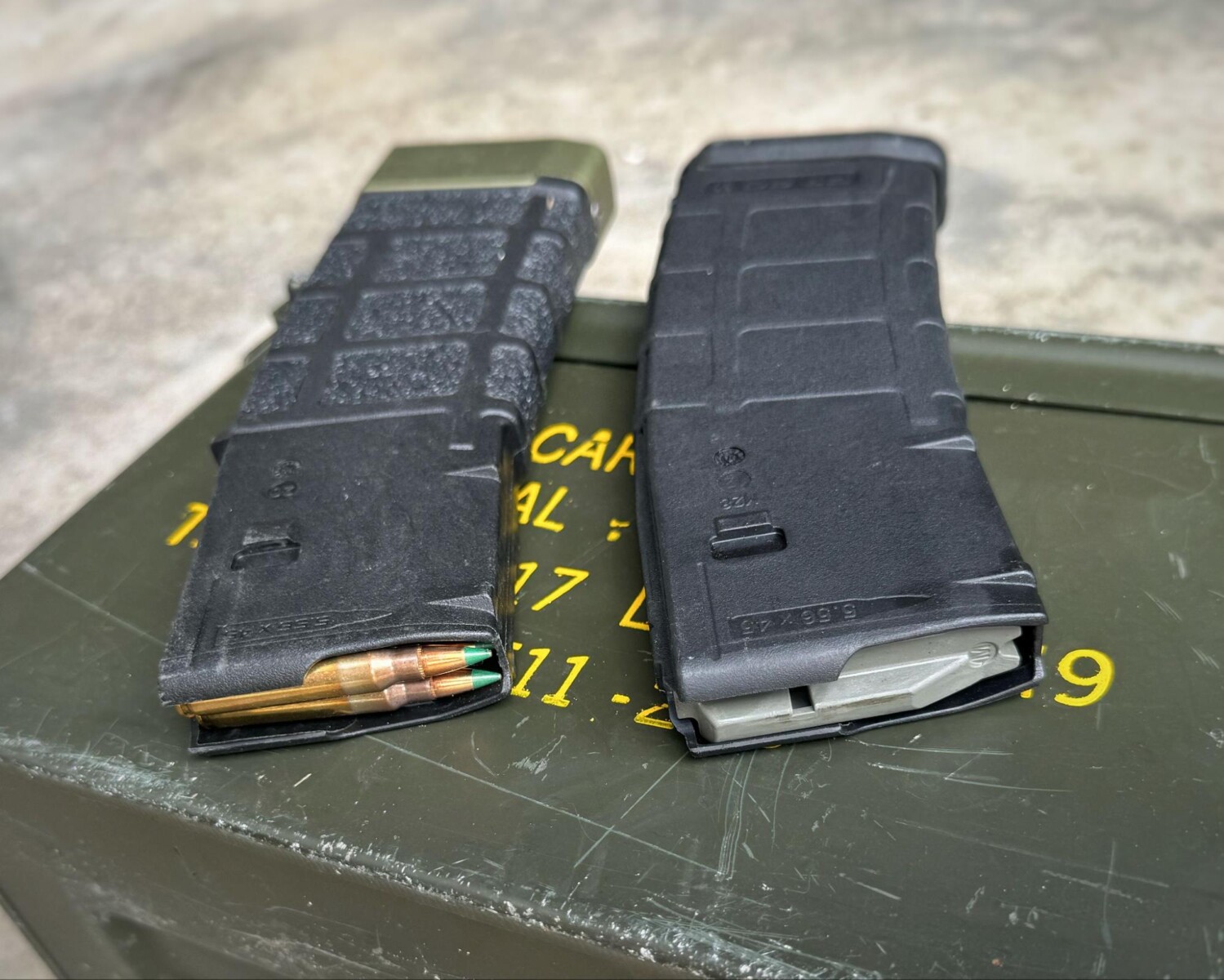
Don’t discount that magazine you found in the back of your ammo cabinet that has sat fully loaded for years.
Certain manufacturers may list an expiration date of ten years or so, but I’m willing to guess that’s more so just to cover their backs. I still recommend rotating your ammo as good practice, but if your grandfather gifts you some 25-year-old ammo that looks to be in perfect condition after inspecting it, don’t count it out as useless!
Myth 5: Reloaded ammo is not safe
Reloads themselves are safe as long as they are reloaded correctly. Do I trust factory new ammunition more than reloads? You bet. Would I ever shoot ammo that someone else reloaded? No, never.
With that said, if you know how to reload and do it yourself properly, you could have no issues and save a ton of money in the process!
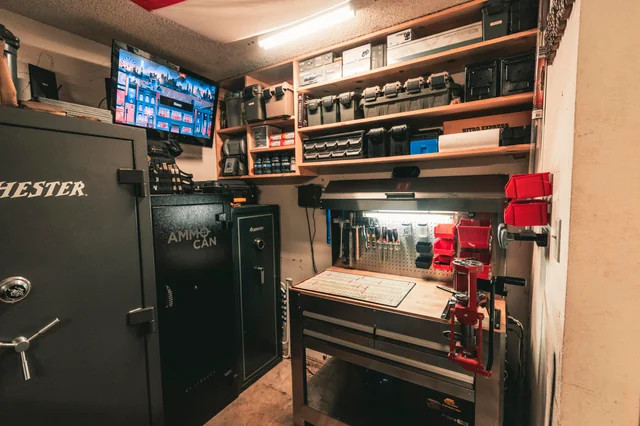
If you’re going to do it, you might as well do it right. Source
Myth 6: A .22 LR round will “bounce” around inside the body or head
Here is one of those myths that I’m surprised people still talk about.
While a .22 LR lacks the energy and stopping power compared to larger calibers, it will NOT act like a pinball inside a human body or head. It is possible that the bullet can change paths as it starts to fragment or hit bones, but it will not be ricocheting around and tearing apart your insides!
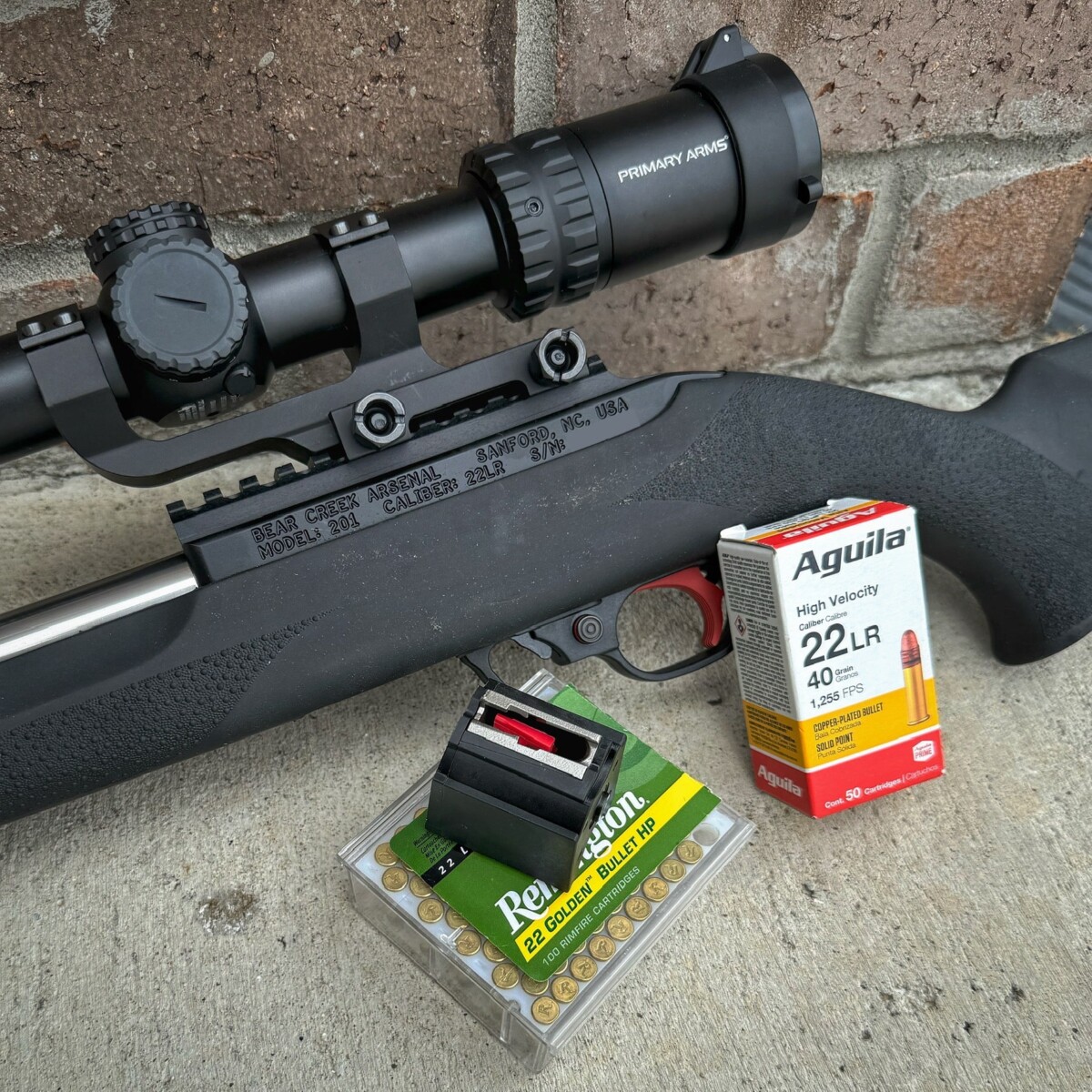
Rimfire ammo is excellent for training but would not be my go-to for defensive purposes.
Do Your Own Research
As I mentioned at the beginning of the article, there are many, and I mean many, myths that have been floating around the firearms community for a very long time. Some simply take a little common sense to determine they aren’t true, while others can seem plausible until the very last second when you find factual evidence proving otherwise.
If you take something away from this article, I’d like to emphasize the importance of doing your own research. Don’t take any single article or person’s opinion as fact. Google is a heck of a tool, so use it!
As always, stay safe, train hard, and have fun.