0
Best Range Ammunition: Calibers, Cost, and Compatibility
Something many new shooters don’t take into account when purchasing their first firearm is the cost of ammo. You save up to buy the gun, and then blow your whole budget on the gun, and don’t leave enough to buy ammo to go to the range and train. To be a responsible gun owner, you need to train with your chosen firearm(s).
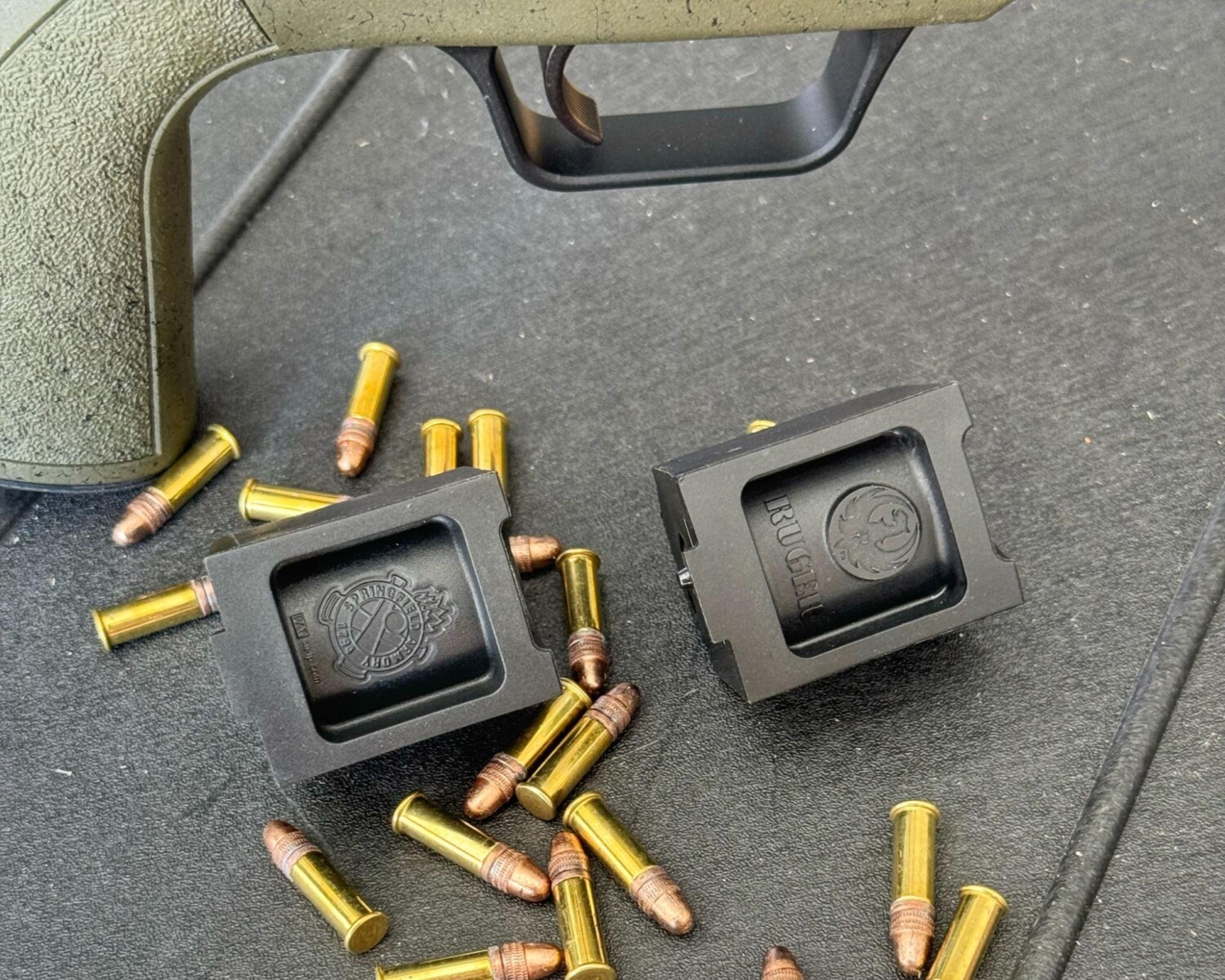
.22LR ammo is some of the most affordable for training purposes.
When choosing the right range ammo, there are three factors you need to consider: consistency, cost, and how well it performs in your firearm. Whether you shoot handguns, rifles, or shotguns, the best range ammo shares a few similar traits: reliable feeding, predictable point of impact, and enough accuracy to make practice worthwhile. Different calibers, grain weights, and bullet types can change how a round behaves, which is why one shooter might favor a lighter load while another prefers a heavier one.
This guide breaks down the most common calibers, explains why grain and bullet design matter, plus highlights some examples that we’ve come to love.
Grain, Bullet Type, and Purpose
Look for three qualities when you pick out your range ammo: reliability, consistent velocity, and affordability. The most common projectiles that fit those requirements are Full Metal Jacket (FMJ), FMJ Boat Tail, and plated FMJ rounds. These are, in general, the most common because they feed smoothly and cost less than specialty projectiles, such as self-defense and hunting loads.
Lighter grain weights, for the projectile, tend to have higher velocities and flatter trajectories in rifles. Heavier grain weights can reduce felt recoil. When selecting your training ammo, try to match your training loads to your self-defense or hunting loads’ point of aim and recoil impulse as closely as possible.
Before you carry a load for self-defense, think Jacketed Hollow Points (JHP) like those from Federal, Hornady, or Speer.
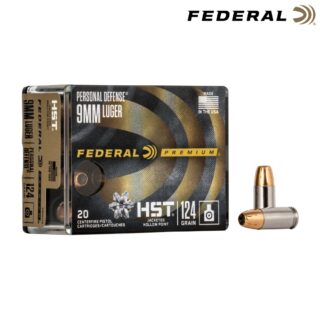
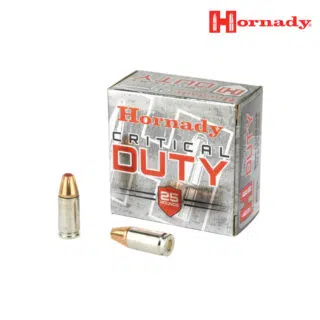
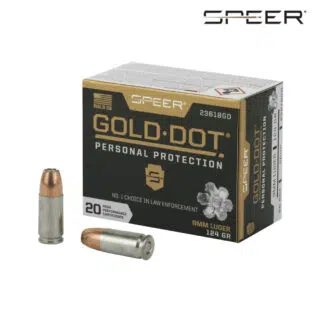
You need to run several magazines of the ammo through your firearm to ensure the gun likes it and they operate well. The same goes for hunting ammo. You can use cheaper ammo to start the zeroing process with your scope, but you need to get zeroed with the actual ammunition you intend to use when hunting.
Range Concerns
Many ranges frown on the use of certain types of ammunition. Every indoor range I have been to, and most outdoor ranges, ban the use of steel-cased ammunition. This is because many steel-cased ammunition types have a steel penetrator that damages the backstops at indoor ranges and craters the steel shooting plates at outdoor ranges.
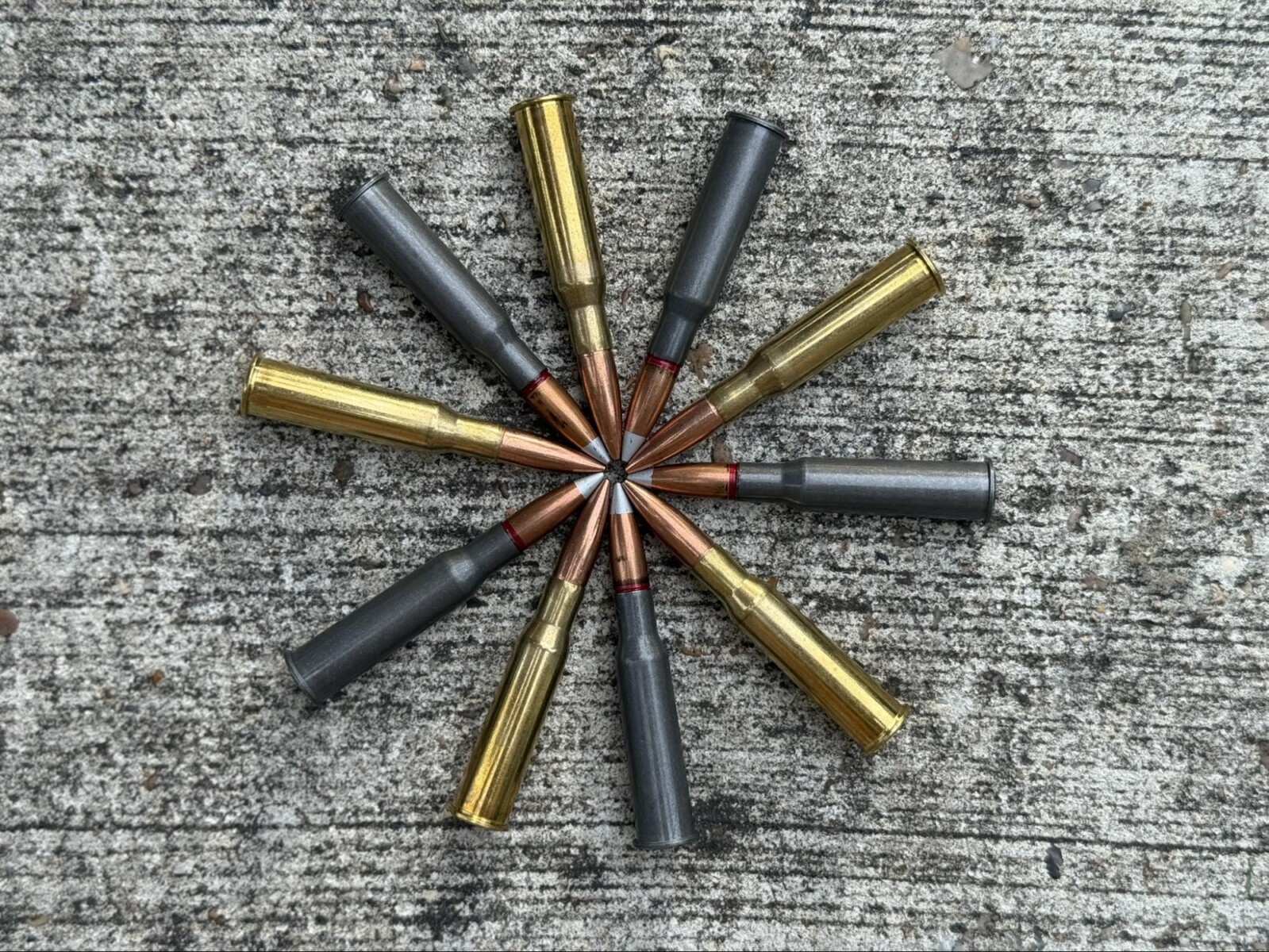
Steel-cased ammo, mainly when imported from Eastern European manufacturers, frequently has steel penetrator cores and isn’t permitted at many ranges.
There are plenty of steel-cased loadings that don’t have steel penetrators in the projectile, but ranges sometimes don’t care and impose a blanket ban. Make sure you check with your range regarding their rules. If your outdoor range bans steel-cased ammo, it doesn’t hurt to ask if you can use it if you don’t shoot the plates.
Common Calibers
.22 Long Rifle (.22LR)
For teaching fundamentals, economical high-rep drills, and just plain fun, .22LR is hard to beat. When you select your .22LR loads, look for consistent, clean-burning target rounds. CCI, Federal, Winchester, Aguila, and many others make .22LR ammo, and while all .22LR ammunition isn’t made equal for most users, you won’t go wrong with those I just mentioned.
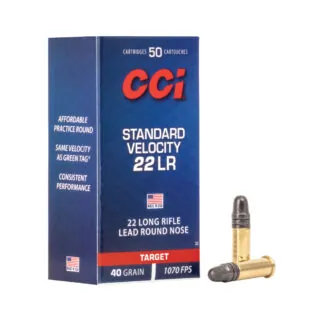
CCI .22LR Standard Velocity 40gr Lead Round Nose Ammo

1 review
Price range: $4.99 through $369.99
Out of stock
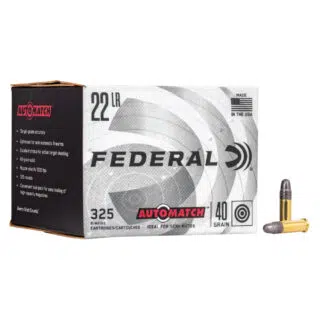
Federal .22LR Champion AutoMatch 40gr Ammo
10 reviews
Price range: $23.99 through $219.99
Out of stock
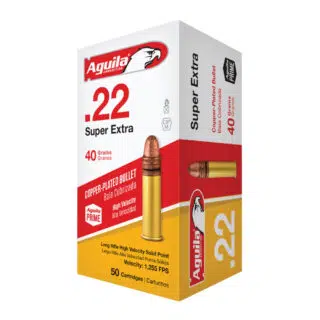
Aguila .22LR Hi-Velocity Solid Point 40gr Ammo
10 reviews
Price range: $3.25 through $119.99
Out of stock
Most target ammo falls in the 36-40-grain weight range. Pick two or three brands/loadings to test, then stick with whichever one your gun shoots best.
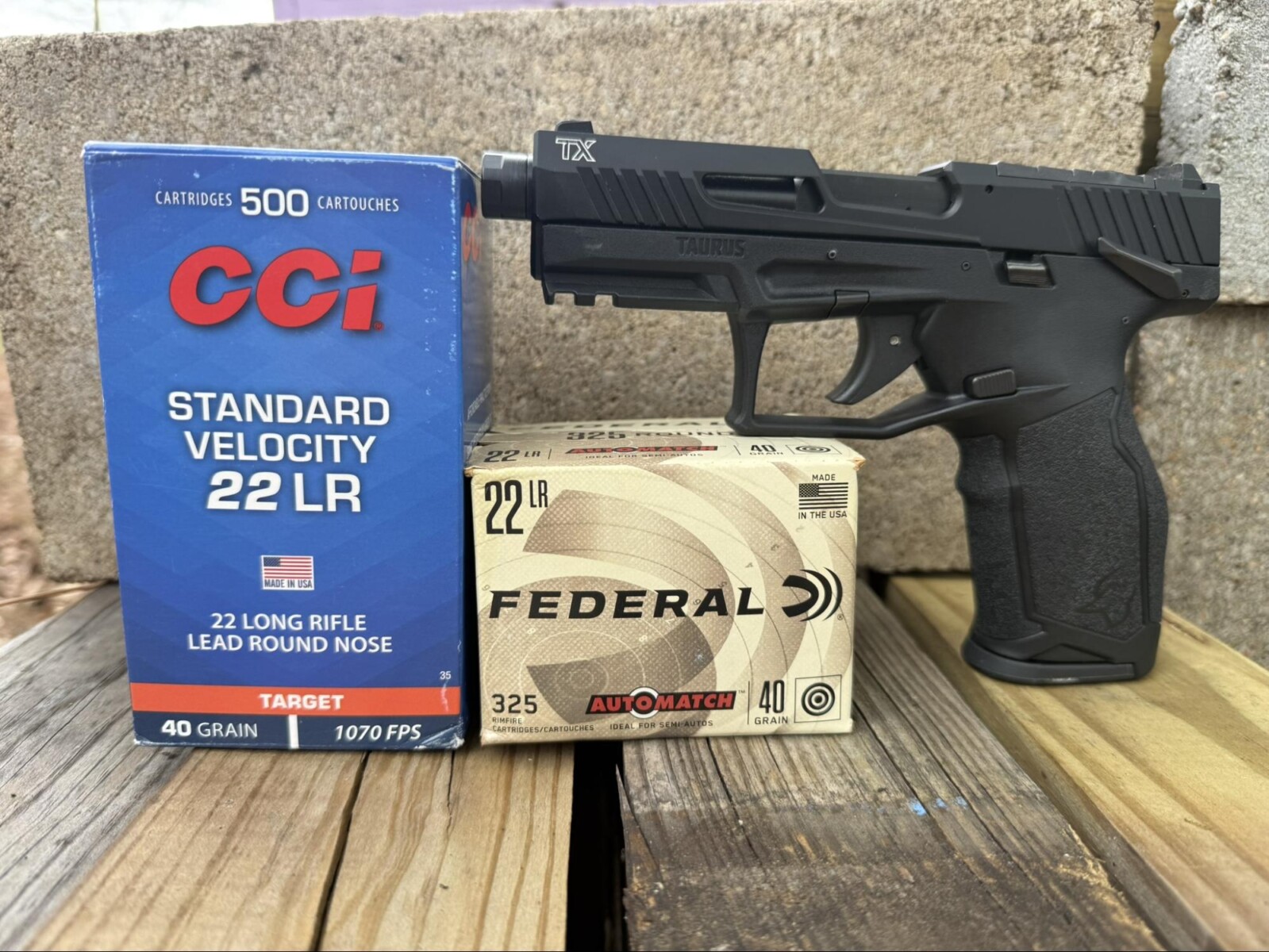
Both CCI and Federal make high-quality .22LR ammunition.
Why Choose .22LR?
.22LR is excellent for training and introducing new shooters to firearms because its low recoil makes shooting it less daunting, allowing you to focus on trigger control and sight picture. Plus, it keeps range time affordable compared to centerfire cartridges.
9mm Luger
9mm is the workhorse of pistol cartridges. For range ammo, 115 and 124-grain loadings are the most common due to their affordability and consistent performance. 147-grain and heavier loadings are also not uncommon, especially for use with suppressors.
Brand-wise, there are lots of quality choices. Some brands you should look for include, but are not limited to, CCI’s Blazer Brass, Fiocchi, Federal, Magtech, and Winchester. Try a few weight and brand combos to find which your pistol prefers, because feeding and point of impact can vary between pistols and loads.
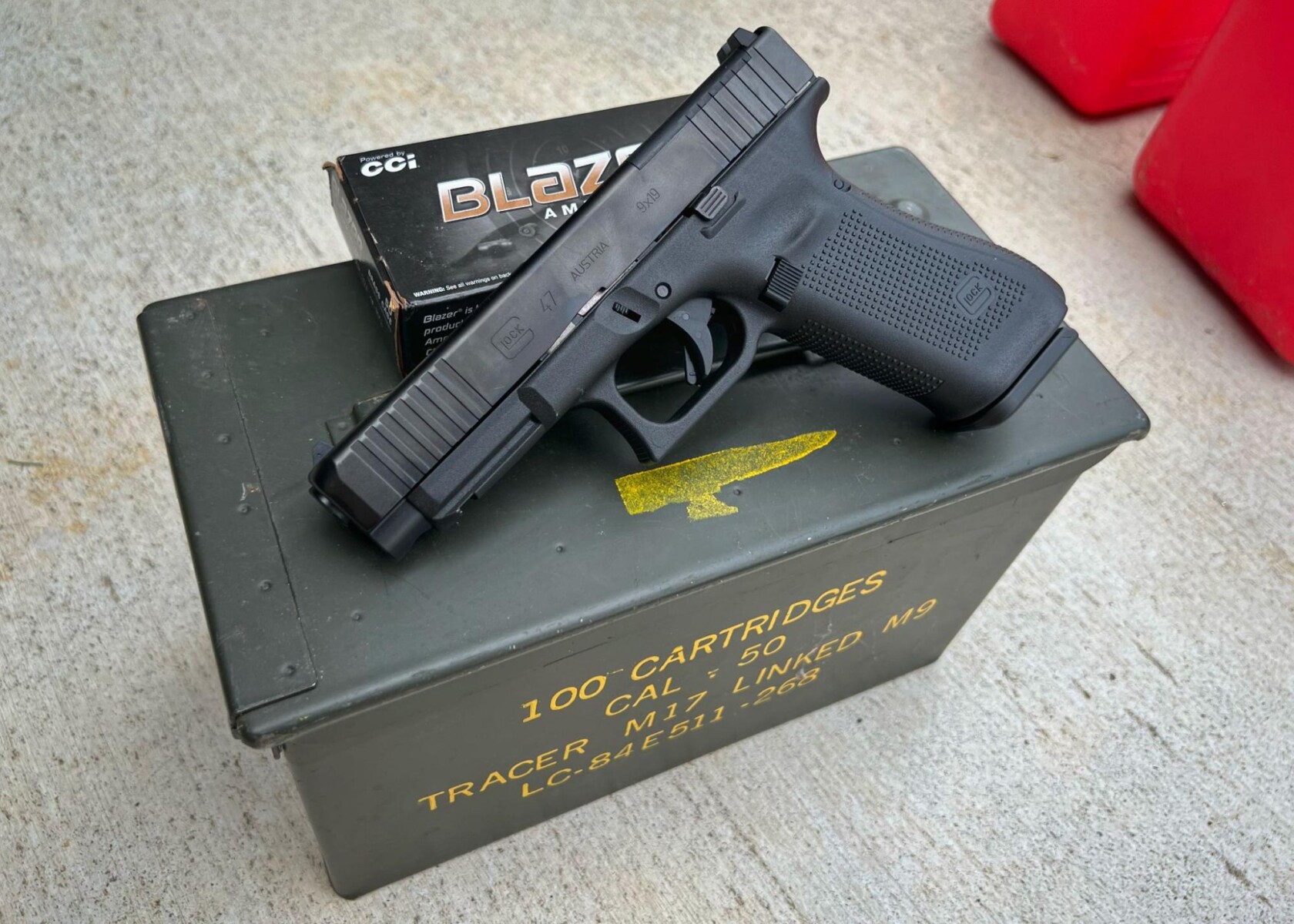
Blazer Brass is one of many quality brands of 9mm target ammo.
Grain Guidance
115-grain tends to be snappier and flatter, and it is also the most common. 124-grain offers a tad more momentum and a slightly different recoil impulse. Many self-defense loads are 124-grain, so it’s recommended to train with 124-grain target loads to match your defensive ammo.
.223 / 5.56
First and foremost, .223 and 5.56 have different pressure specs, and while not common, some firearms can fire one but not the other. Ensure your firearm is capable of firing the ammunition you selected.
SALE 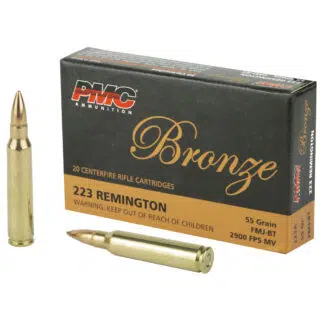 PMC Bronze .223 Remington 55gr FMJ Ammo
10 reviews
Original price was: $11.99.$8.49Current price is: $8.49.
PMC Bronze .223 Remington 55gr FMJ Ammo
10 reviews
Original price was: $11.99.$8.49Current price is: $8.49.
SALE 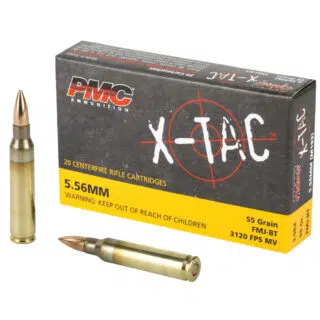 PMC X-TAC 5.56x45mm NATO 55gr FMJ Ammo
16 reviews
Original price was: $12.99.$9.99Current price is: $9.99.
PMC X-TAC 5.56x45mm NATO 55gr FMJ Ammo
16 reviews
Original price was: $12.99.$9.99Current price is: $9.99.
For range time with your AR or other firearm chambered in .223/5.56, 55-grain FMJ boat tail rounds are the default and are based on the M193 military loading. There are heavier loads out there, with 62-grain choices popular as well. The twist of your barrel matters as you go lighter and or heavier than 55 or 62-grain loadings. M855 ammo (green tips) is very common, but many indoor and some outdoor ranges ban its use.
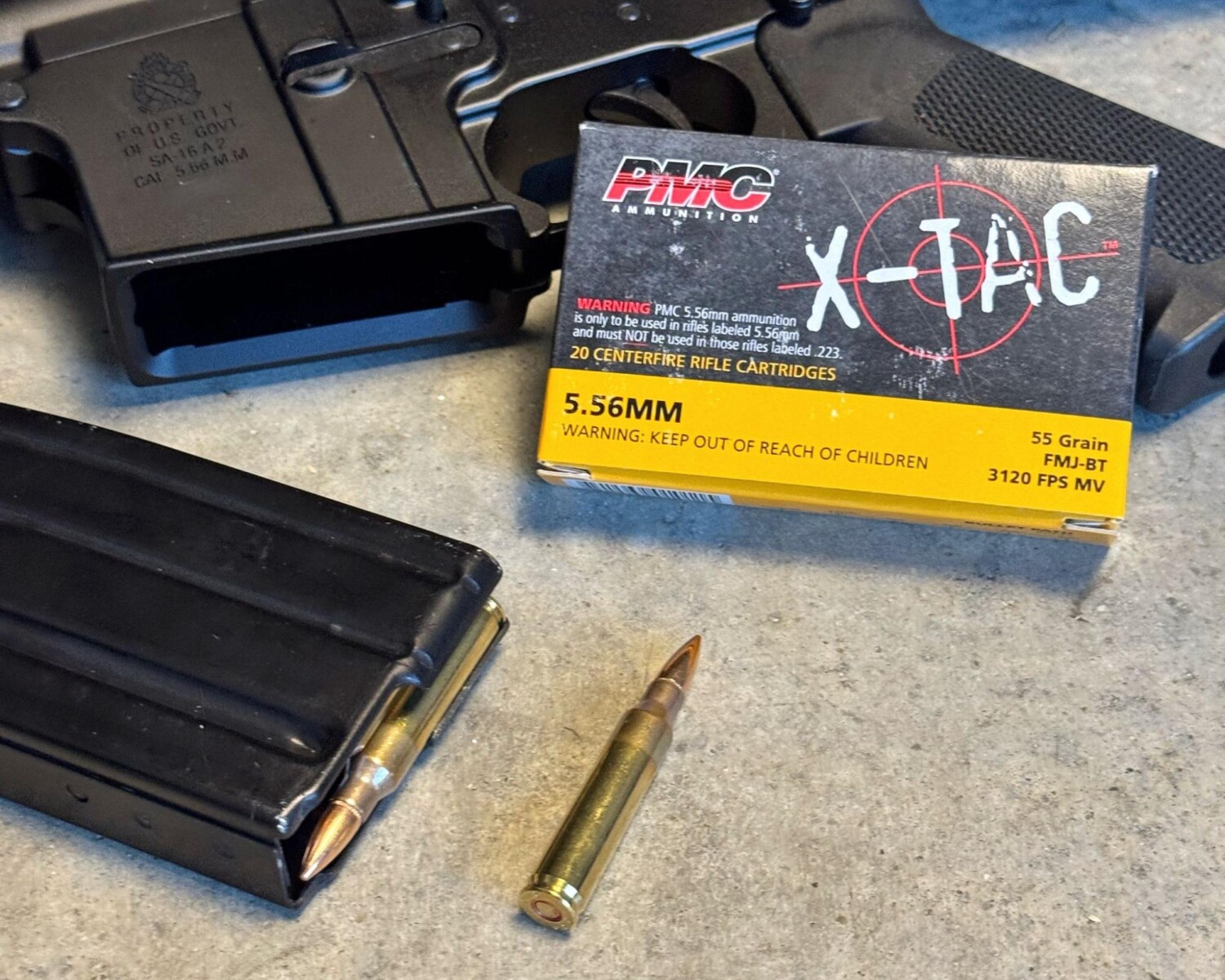
Can’t go wrong with PMC X-TAC.
Why 55gr FMJ?
This is the OG. It’s a balance of availability, trajectory, and cost. For high-volume AR work, you want brass-cased, non-corrosive rounds that feed reliably and leave a tolerable cleaning schedule.
.308 / 7.62 and 6.5 Creedmoor
For precision rifle practice, choose match-grade FMJ or HPBT (hollow point boat tail), depending on the distance. Federal Gold Medal Match and Hornady Match loads are benchmark options, often paired with Sierra or Berger projectiles, respectively.
6.5 Creedmoor overlaps this space but favors heavier, high-BC bullets in the 120 to 147-grain range for long-distance stability and wind-bucking performance. If you want general-range plinking in .308, a lower-cost 147 to 150-grain FMJ works fine. For scoped precision shooting, buy match-grade rounds that match your rifle’s twist and barrel.
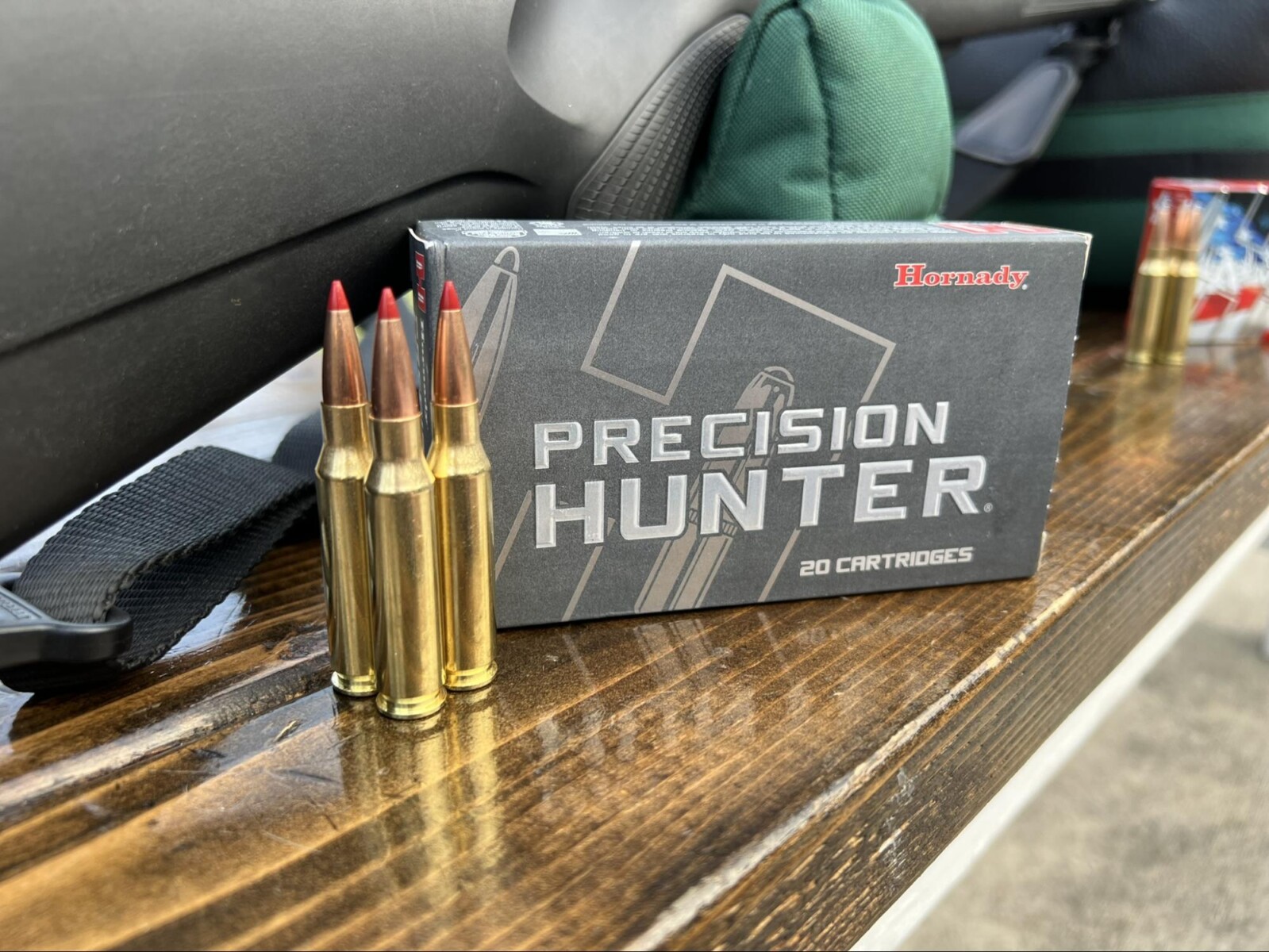
One of my favorite hunting cartridges is Hornady Precision Hunter. Unfortunately, it is usually more than $2 a shot. Not ideal for a trip to the range.
Grain and Bullet Reminders
Boat tail and match-profile bullets reduce drag and improve consistency at distance. Heavier bullets retain velocity better and resist wind drift, which matters past 300 yards.
.45 ACP
For .45 ACP, 230-grain FMJ is the classic range load. Federal American Eagle and Winchester White Box rounds offer predictable recoil and feed well in most pistols. If you run a shorter-barreled pistol, consider 185 to 200-grain options for slightly higher velocity and different recoil characteristics, but 230-grain remains the most common training choice.
12 Gauge
Shotgun training depends on the purpose. For clay or target work, choose birdshot in 7.5, 8, or 9 shot sizes. For defensive patterning, pick buckshot, commonly 00 buckshot, and run slugs only when practicing long-range slug accuracy. Trusted brands include but are not limited to Federal, Remington, Winchester, and Fiocchi for consistent hull and primer quality. For purely range-focused patterning and trap, match the load to your discipline and shotgun action.
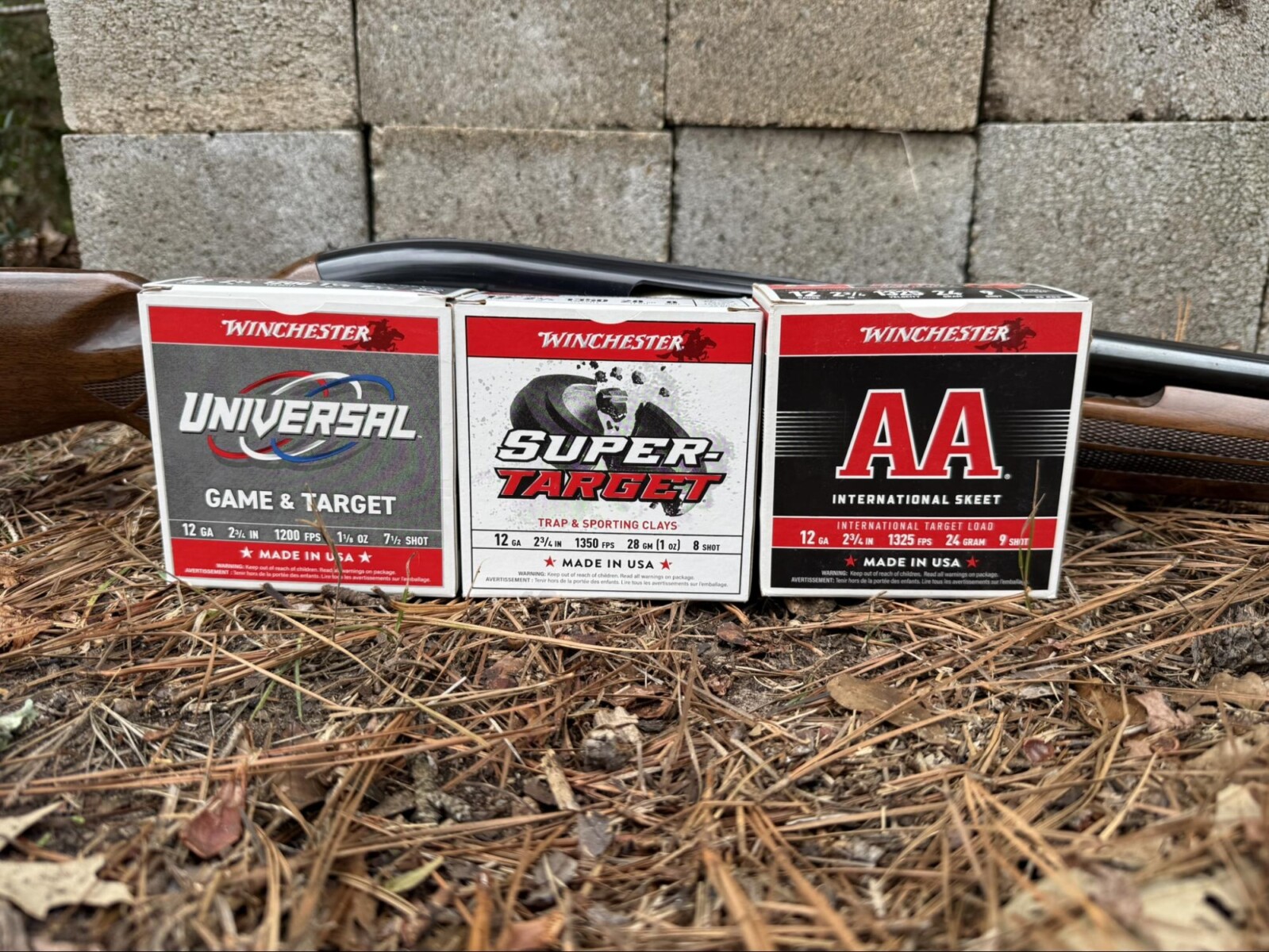
Winchester makes a wide variety of loads for your shotgun, and I have had great experience with them both from a quality standpoint, as well as being very affordable.
Final Buying Tips
- Test two or three brands/loadings of the exact specification in your firearm to confirm which it likes best. Point of impact and reliability change with barrel, twist, and feed geometry.
- Prioritize brass-cased loads for reloading or when you want cleaner extraction and easier case handling. Use bulk steel-cased ammunition for maximum savings, if your gun accepts it and the range allows it.
- Match the round’s recoil and loadings to the defensive ammo you carry when possible. That keeps muscle memory realistic.
- Check your range’s rules before you buy ammo. It’s no fun to show up and discover your ammunition isn’t allowed.
Last Words
When choosing range ammo, think about repetition, predictability, and economy. Pick FMJ or match profiles that suit the guns you own, test them extensively, and keep a separate set of loads for defensive drills. Bullet type, grain, and case material all influence how a load behaves in a given firearm. If you follow the testing suggested above, you will quickly learn what your guns prefer and what gives you the best training returns.