0
Combat Defense Industries Bighorn Ballistic Helmet Review
Protective equipment has evolved dramatically over the past couple of decades, and few pieces of gear have changed as much as the modern ballistic helmet. Once viewed primarily as military equipment, ballistic helmets have become increasingly popular among law enforcement, security professionals, preparedness enthusiasts, and recreational shooters who want an extra layer of protection during training or when SHTF.
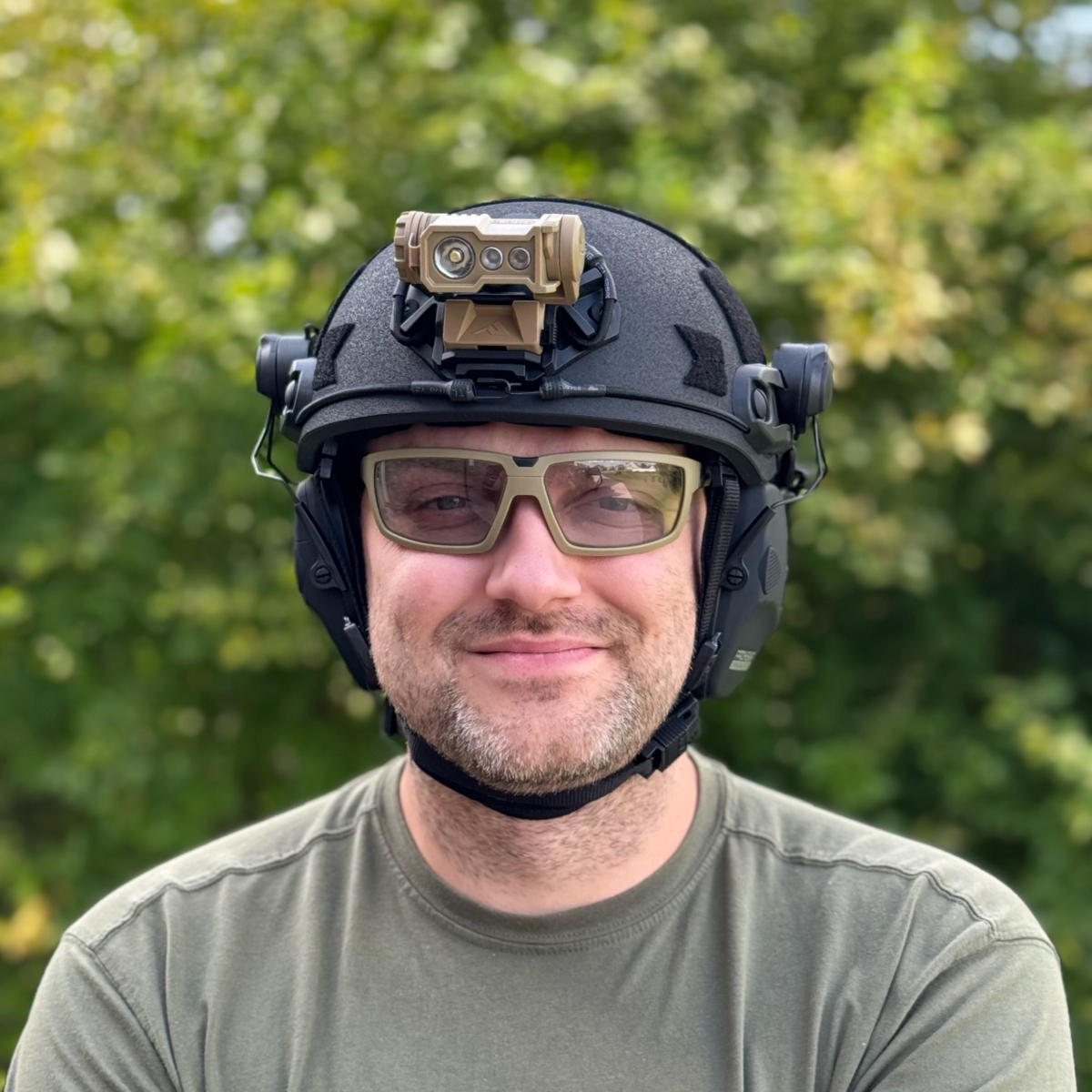
Always a good idea to protect your head!
The Combat Defense Industries Bighorn High Cut Ballistic Helmet aims to deliver modern features and dependable ballistic protection at a price that won’t empty your bank account. That’s exactly the type of gear I love reviewing because the average person can take advantage of it if they’d like.
Why Buy a Ballistic Helmet?
For many people, the idea of purchasing a ballistic helmet may seem excessive until they understand what these helmets are actually designed to do.
The primary purpose is to protect the wearer from handgun threats and fragmentation. While no helmet makes someone invincible, quality ballistic helmets significantly reduce the risk of life-threatening head injuries in situations involving shrapnel, ricochets, or common handgun calibers.
Beyond ballistic protection, today’s helmets also serve as modular platforms for tactical equipment. Whether you partake in night shooting competitions, work security details, or hunt with night vision, a modern helmet provides mounting points for lights, communication headsets, cameras, hearing protection, and night vision devices.
Even outside of ballistic threats, the helmet also protects against bumps, falls, and impacts that can occur during training or field use. You’d be surprised at how often you may bump your head if you’re training hard enough.
First Impressions
The Bighorn has a streamlined high cut profile that gives it a modern appearance while providing practical advantages over older full-cut helmet designs.
The high cut shell exposes more of the ears, making it much easier to wear electronic hearing protection or communication headsets without creating uncomfortable pressure points. I threw on a budget pair of PROHEAR earmuffs and had no issues with fitment or discomfort.
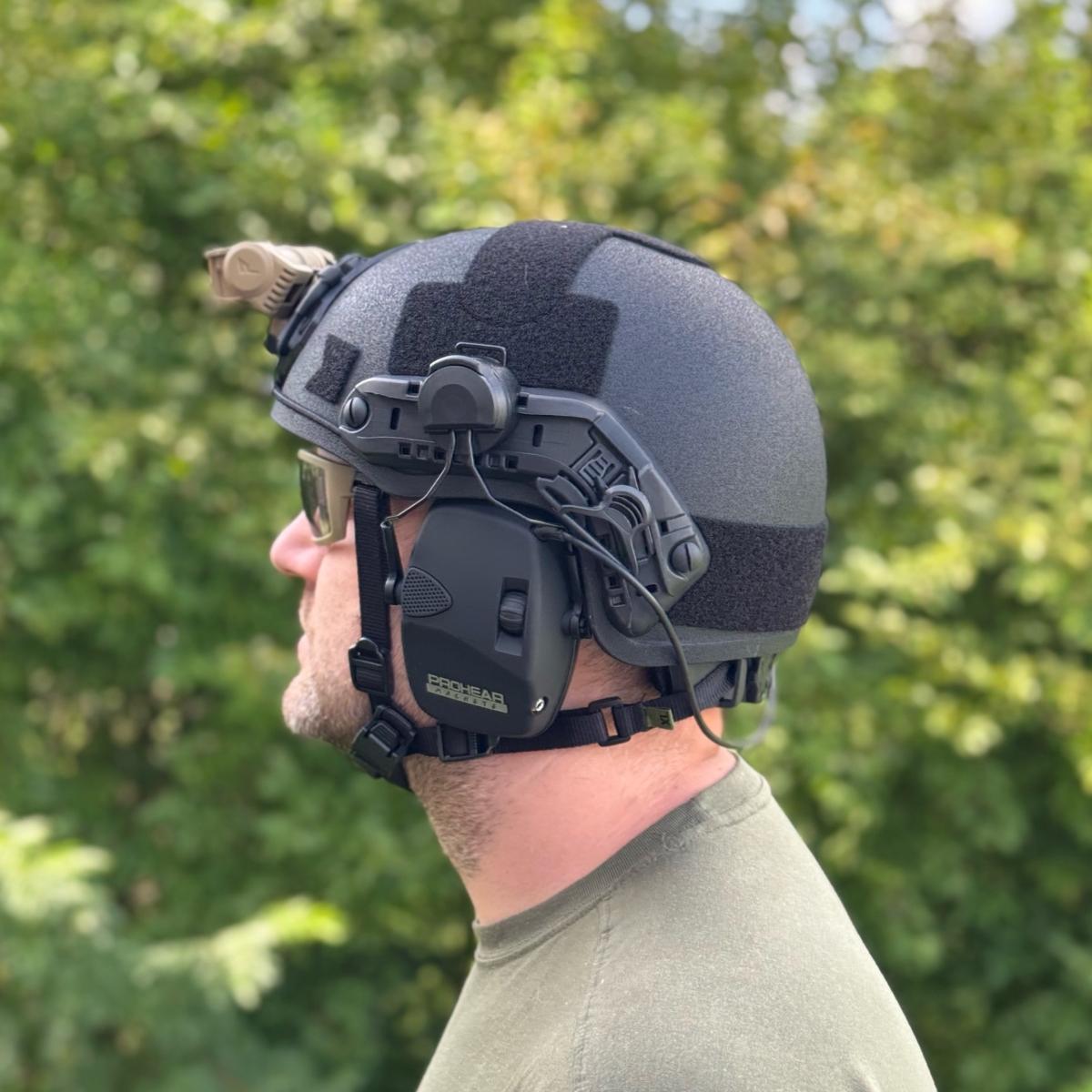
Ear protection mounted quickly and easily.
The overall fit and finish are on point, with a durable exterior coating and well-installed hardware throughout. Nothing feels overly cheap or unfinished, which is encouraging considering its price point.
Ballistic Protection
The heart of any ballistic helmet is its protective shell, and the Bighorn uses lightweight Aramid construction to provide NIJ Level IIIA protection.
Level IIIA helmets are designed to stop many common handgun threats up to .44 Magnum, while also providing excellent protection against fragmentation. It’s important to understand that this rating is not intended to stop high-powered rifle ammunition.
For the overwhelming majority of realistic defensive situations where a ballistic helmet would be used, Level IIIA remains the industry standard because it balances protection with manageable weight.
Equally important is the helmet’s impact performance, since head injuries aren’t always caused by bullets. Falls, vehicle accidents, flying debris, and hard impacts are all situations where the helmet’s suspension system and energy-absorbing padding play an important role. The Bighorn is tested to AR/PD 10-02 military standards for blunt impact protection, adding to the Level IIIA protection.
Comfort
I was pleasantly surprised once I put the Bighorn helmet on for the first time with how comfortable it was. Lots of helmets, especially more affordable options, have less-than-impressive padding.
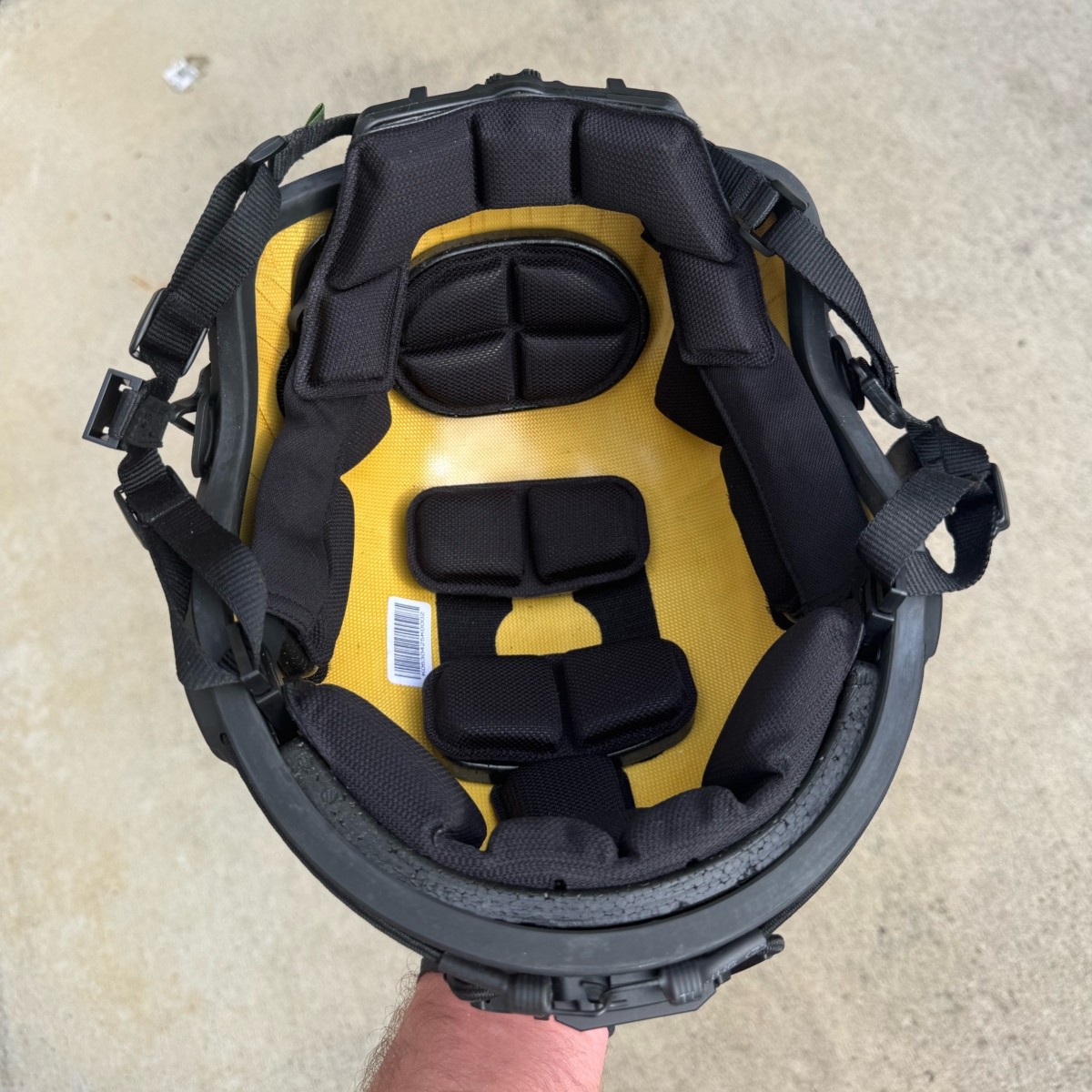
Lots of interior padding comes included.
The included interior pads are removable and adjustable, allowing users to customize the fit based on their head shape. While it’s not the most comfortable helmet I’ve ever tried on, it was much better than I expected.
Instead of relying entirely on the chin strap to keep the helmet secure, you’ll also find a rear adjustment dial that tightens the suspension evenly around the head. Between this and the padding, you’re able to maintain a secure position once dialed in correctly.
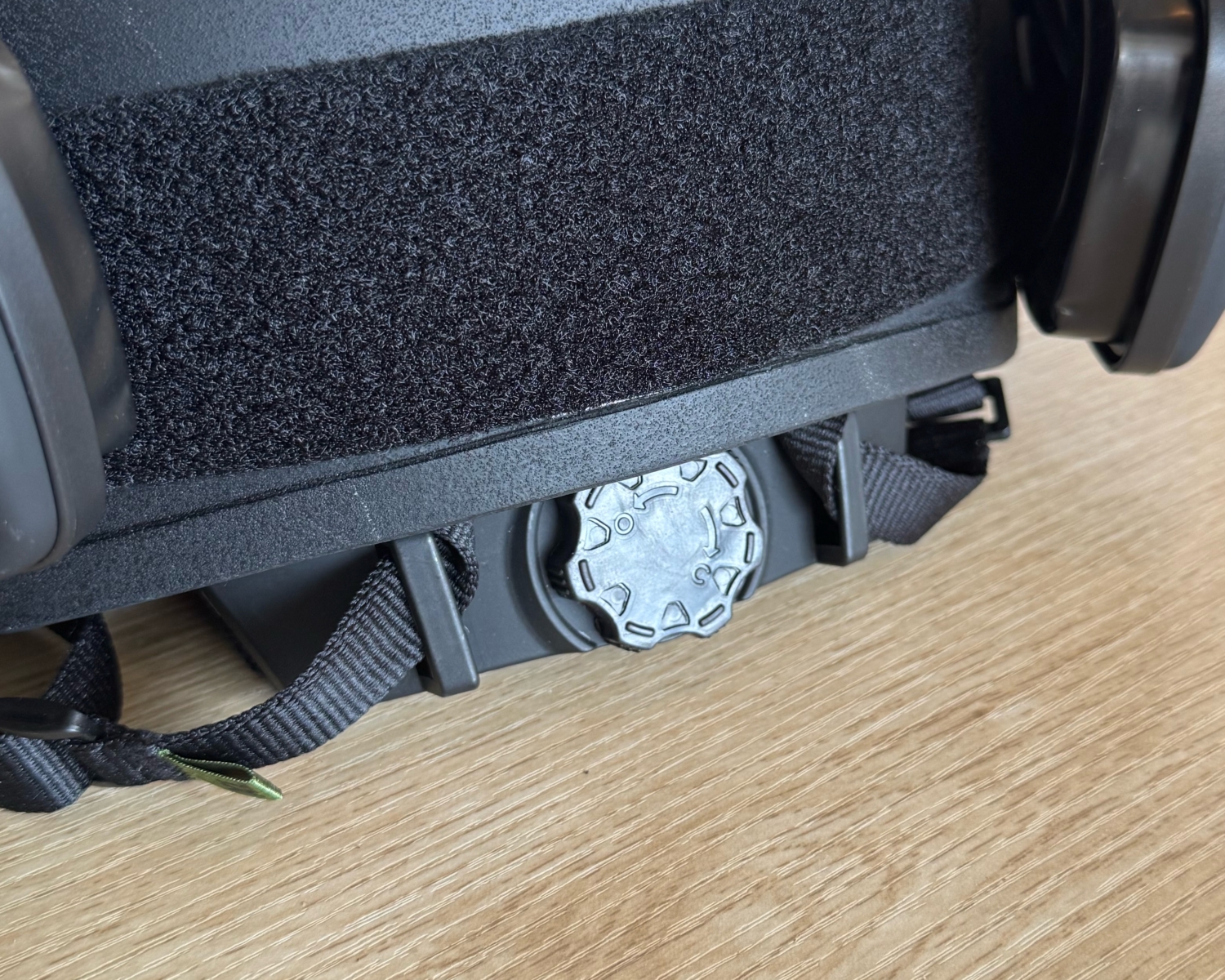
The helmet offers a fully adjustable fit.
I’ve worn the helmet during a few range sessions, through plenty of moving drills, and am happy to report it’s remained stable and secure.
Modular Features
One of the strongest aspects of the Bighorn is its ability to grow with the user’s equipment.
Integrated ARC-compatible side rails allow accessories to be mounted without requiring aftermarket modifications. My earmuffs mounted within seconds and have remained secure through plenty of movement and use.
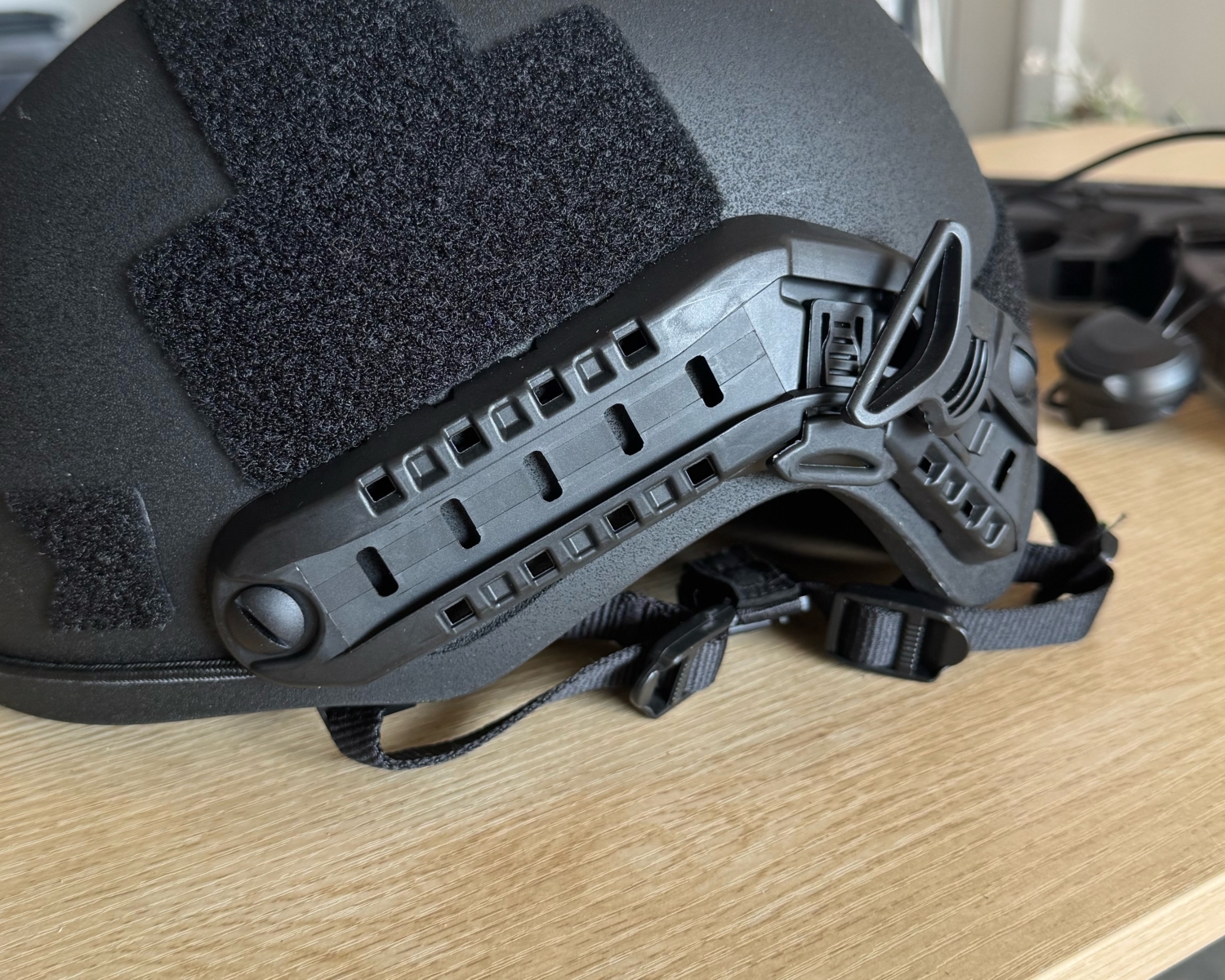
Side rails are a must if you want to run ear protection…which you should!
The front shroud is compatible with many common night vision mounting systems, making the helmet ready for future upgrades even if you don’t currently own night vision equipment. I don’t own any (yet), but have used it for mounting a Princeton Tec Ghost-X light. There are also dual bungee cords help stabilize mounted optics while reducing movement during dynamic activity.
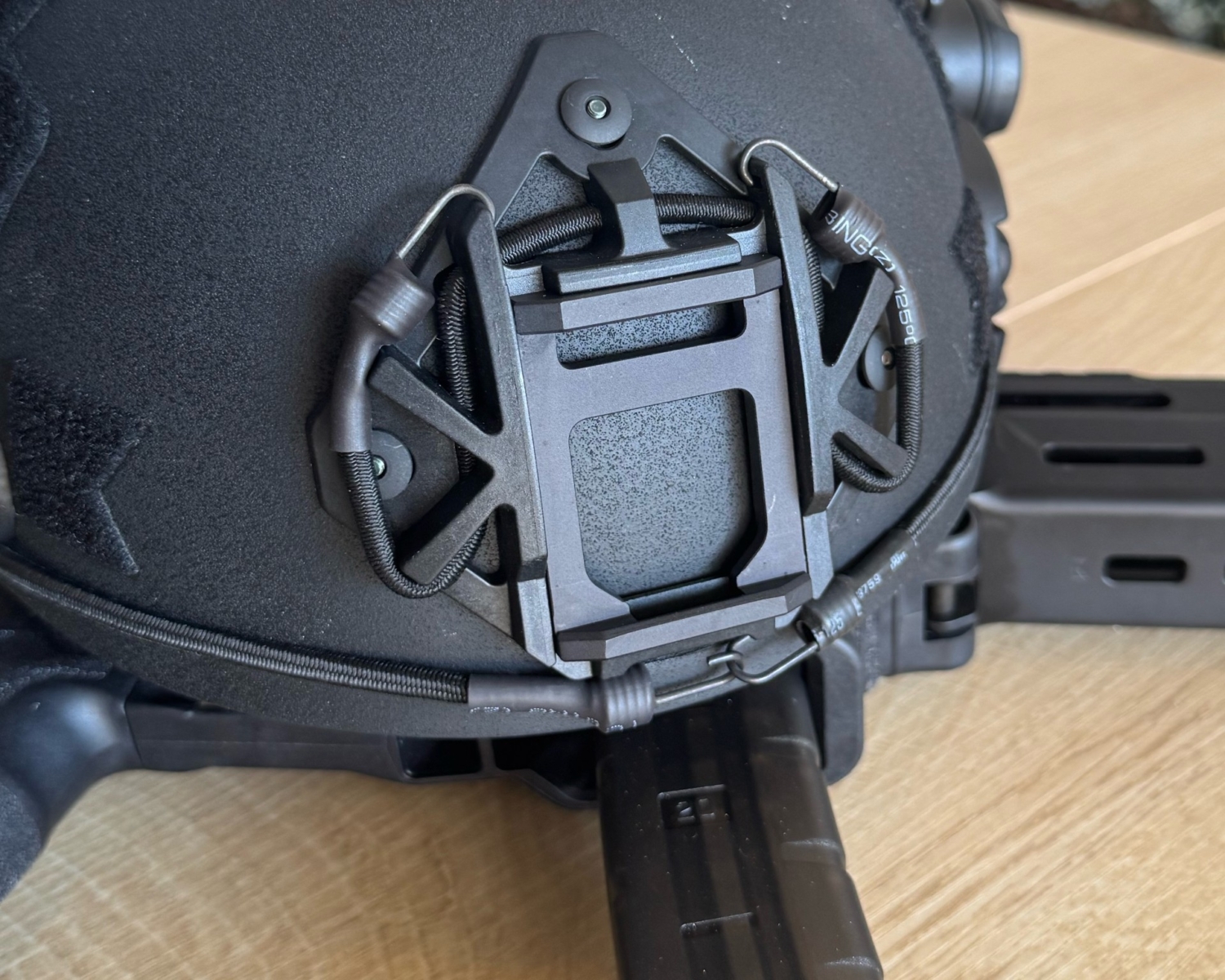
Nylon and billet aluminum make for a durable shroud.
These features make the helmet considerably more versatile than older military surplus helmets that often require expensive upgrades to achieve similar functionality.
Pros & Cons
Pros:
- High cut profile provides wide compatibility with hearing protection and communication equipment
- Lightweight aramid shell keeps weight manageable while maintaining Level IIIA ballistic protection
- Adjustable retention system delivers a secure fit
- Integrated rails and a night vision shroud eliminate the need for costly upgrades later
- Affordable price point with an MSRP of only $399.95 (at the time of writing this)
Cons:
- While lightweight, it still weighs more than premium helmets built with advanced composite materials (they often cost significantly more, though)
- Proven track record has not been established yet compared to big competitors
- Chin strap buckle disengaged a handful of times during testing
Accessories
The Bighorn makes it easy to attach your ear protection, lights, and night vision, but sticking with the affordable yet high-value theme, I went with the new Princeton Tec Ghost X MPLS light and am super happy with the decision.
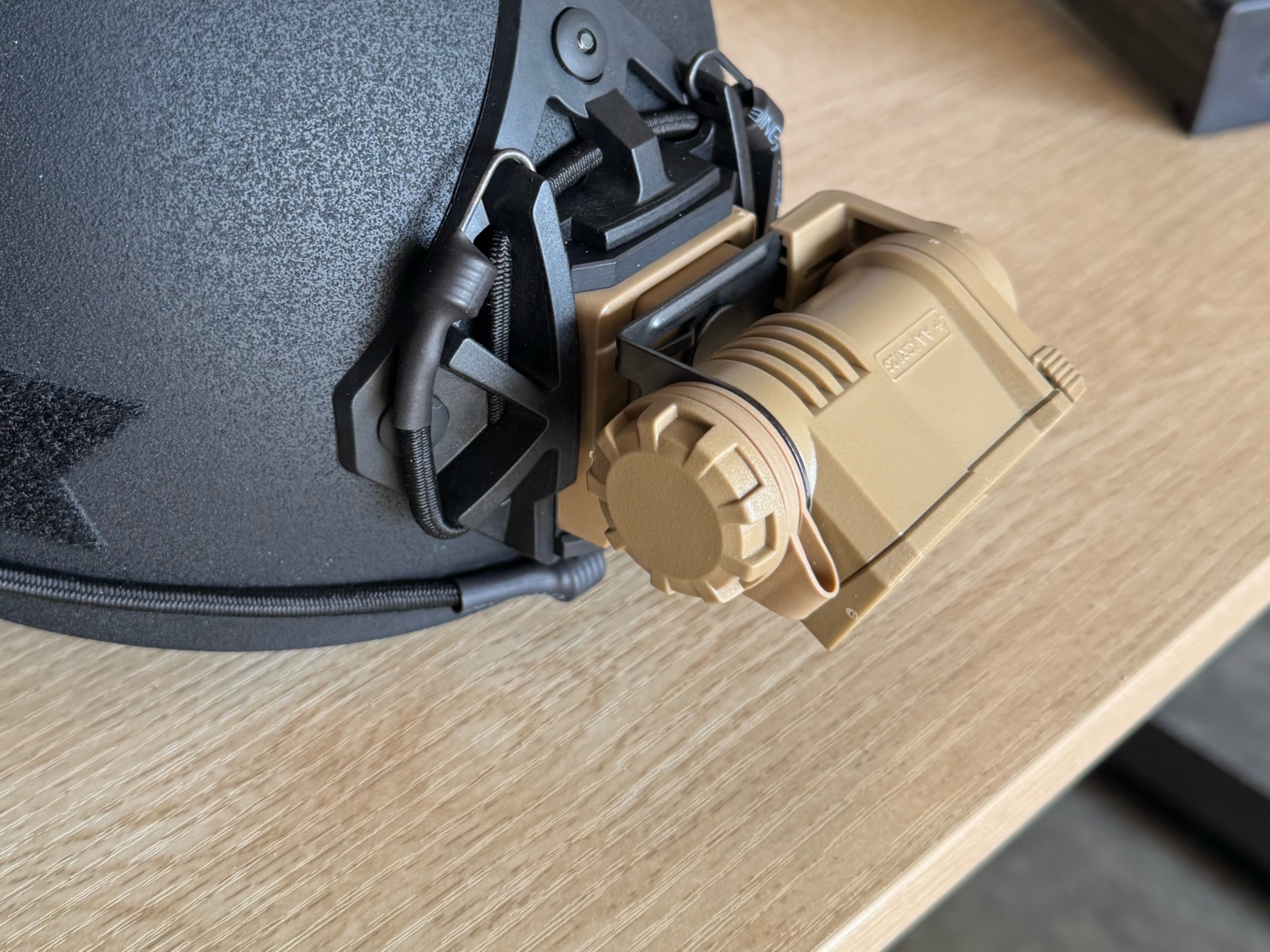
The Ghost X is also IP68 rated.
The Ghost X comes with an ARC adapter plate, an NVG adapter plate, a bracket mount for MOLLE, and a standard nylon head strap. As you can see, I used the NVG adapter plate, and it’s stayed perfectly secure through tons of trial activations.
You can power the light with either a CR123 or standard AA battery, and you can switch between white, red, blue, green, and infrared light. Considering the mounting hardware that’s included and the output performance, this light delivers exceptional value.
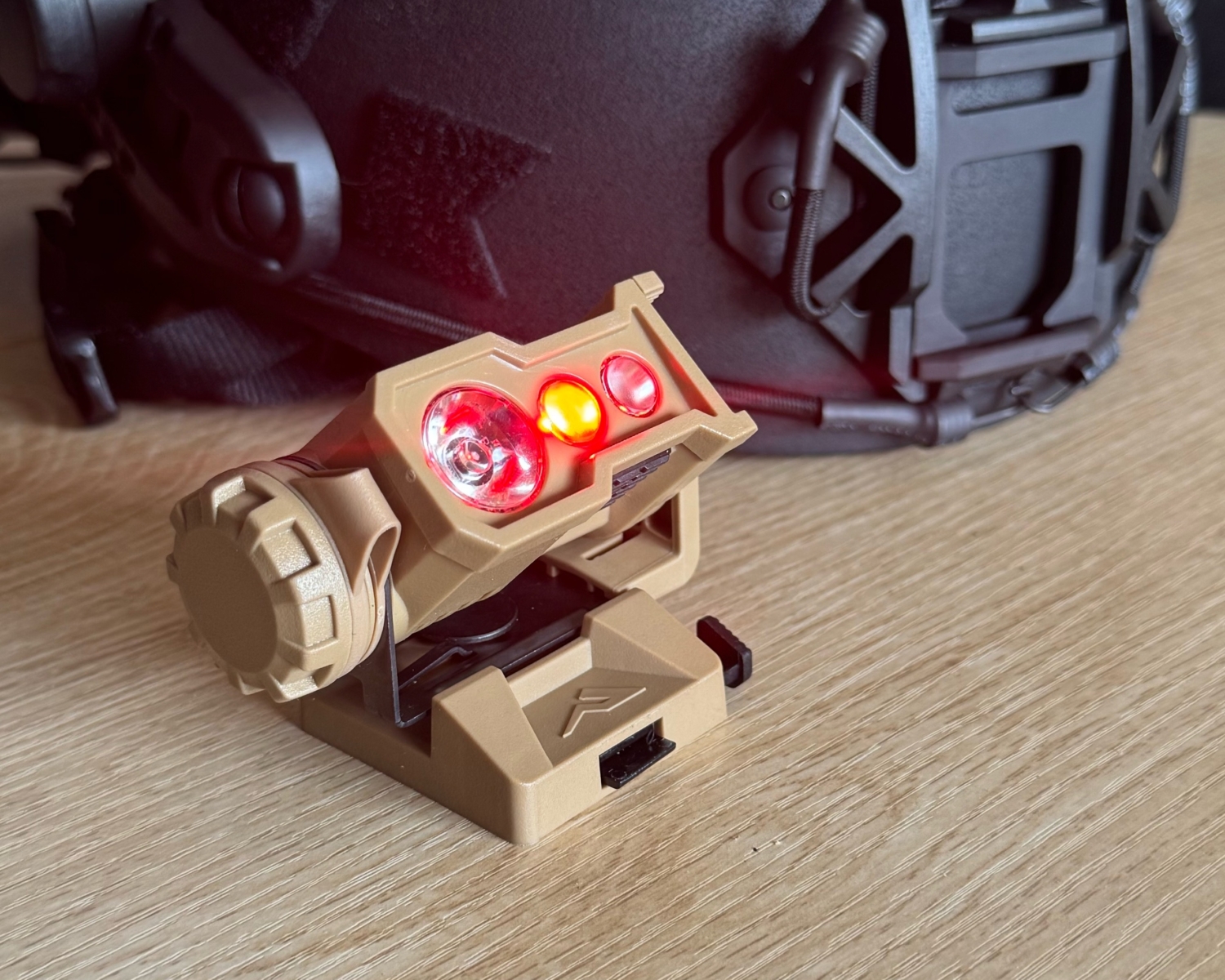
You can choose between several colors; I’m partial to red or green.
I also added PROHEAR earmuffs that came with the ARC rail adapters pre-installed. They attached to the helmet in seconds, and fold back nicely when not in use. While they offer a 23dB NRR and 2 omnidirectional microphones, the electronic performance could be better, so if this helmet was for duty or military use, I would recommend opting for a more expensive set.
Final Thoughts
At the end of the day, for someone entering the world of ballistic helmets, the Bighorn checks nearly every box. It delivers dependable Level IIIA protection, a comfortable fit, modern accessory compatibility, and an attractive price without feeling stripped down or outdated.
While professionals who have to wear their equipment every day or for extended periods may still gravitate toward lighter, more expensive helmets, the Bighorn offers an excellent value for most shooters.
If you’re searching for a modern ballistic helmet that balances protection, modularity, and affordability, the Combat Defense Industries Bighorn deserves serious consideration.