0
Famous Firearms That Changed The World
Over the years, there have been many firearms that have left an impression on me, and if you’ve put a lot of rounds downrange, you’ll have a unique list of your own. However, some firearms are so iconic that they transcend the subjectivity of our preferences to achieve a universally legendary status.
Guns like the FN FAL, known as “The Right Arm of the Free World,” and the Browning BAR, a powerhouse of reliability and firepower that served the U.S. military from World War I through the Vietnam War, are just a few examples of such firearms.
You knew it would be on the list.
Taking the list a step further, however, are a handful of guns that have cemented a ubiquitous place in history, defining eras, advancing firearms technology and design, permeating popular culture, and rescuing civilization from tyranny.
Here are seven famous firearms that changed the world.
Winchester Model 1873
Known affectionately as the “gun that won the West,” the Winchester Model 1873 lever-action rifle was produced between 1873 and 1923. The rifle was known for its reliability and affordability at the time, selling for a mere $18. It found its way into the hands of lawmen, settlers, under stagecoach benches, and into the scabbards of cowboys and bandits alike, making it the most successful Winchester rifle of its day.
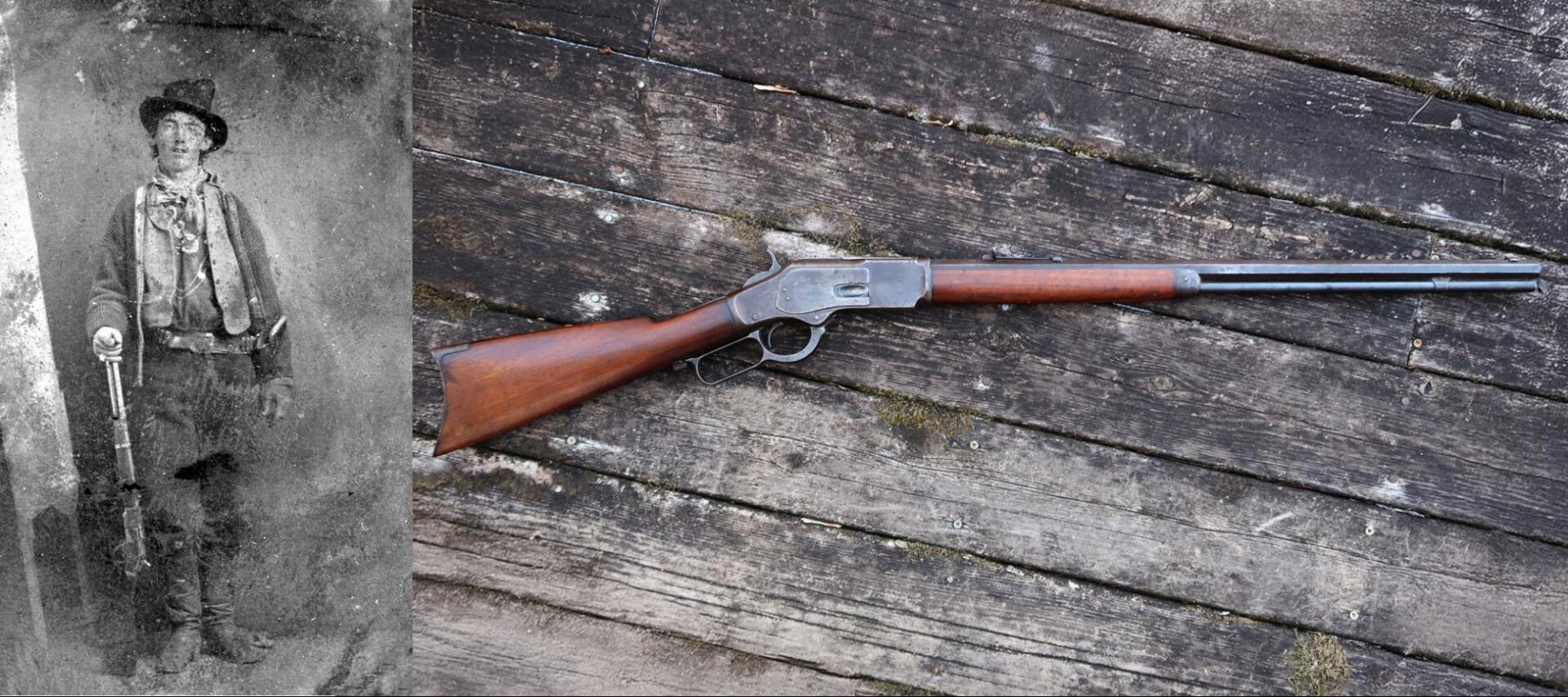
Billy the Kid stole his Winchester 1873 during his famous escape from the Lincoln County Courthouse on April 28, 1881.
The Model 1873 was originally chambered in .44 WCF, the first centerfire cartridge ever manufactured by Winchester. It was later produced in .38-40 Winchester and .32 WCF, both of which became popular revolver cartridges that allowed users to carry just one type of ammunition. The Model 73 was available with either a 20-inch, 24-inch, or 30-inch barrel, with the latter being primarily focused on military contracts.
With its tubular magazine, it allowed for rapid, continuous firing at a time when autoloaders were still a twinkle in Ferdinand von Mannlicher’s eye. Its immense success made the Model 1873 an early pop culture icon, appearing in dime novels, early films, and often alongside the popular Colt Single Action Army revolver, a foreboding combination and preferred EDC of my all-time favorite outlaw, William H. Bonnie, aka Billy the Kid.
The Model 1873 became a prominent symbol of the American West and continues its lineage today. Winchester was unable to keep the rifle retired, putting it back into production in 2013 due to popular demand.
1911
Few firearms, if any, can boast over 75 years of military service. Still, if one designer is to be credited with such an extraordinary accomplishment, it is none other than John Moses Browning, known for the iconic 1911.
With Mannlicher inventing the first autoloading firearm in 1885, it wasn’t long before Browning developed the 1911, known for its superb ergonomics and an excellent single-action trigger, providing a short, light, and crisp pull that enhances accuracy and speed. The 1911 also feels good in the hand, with a grip angle that allows the pistol to point naturally, a steel frame that feels rock-solid, and both a manual thumb safety and a clever grip safety, which add to the overall confidence of the end user.
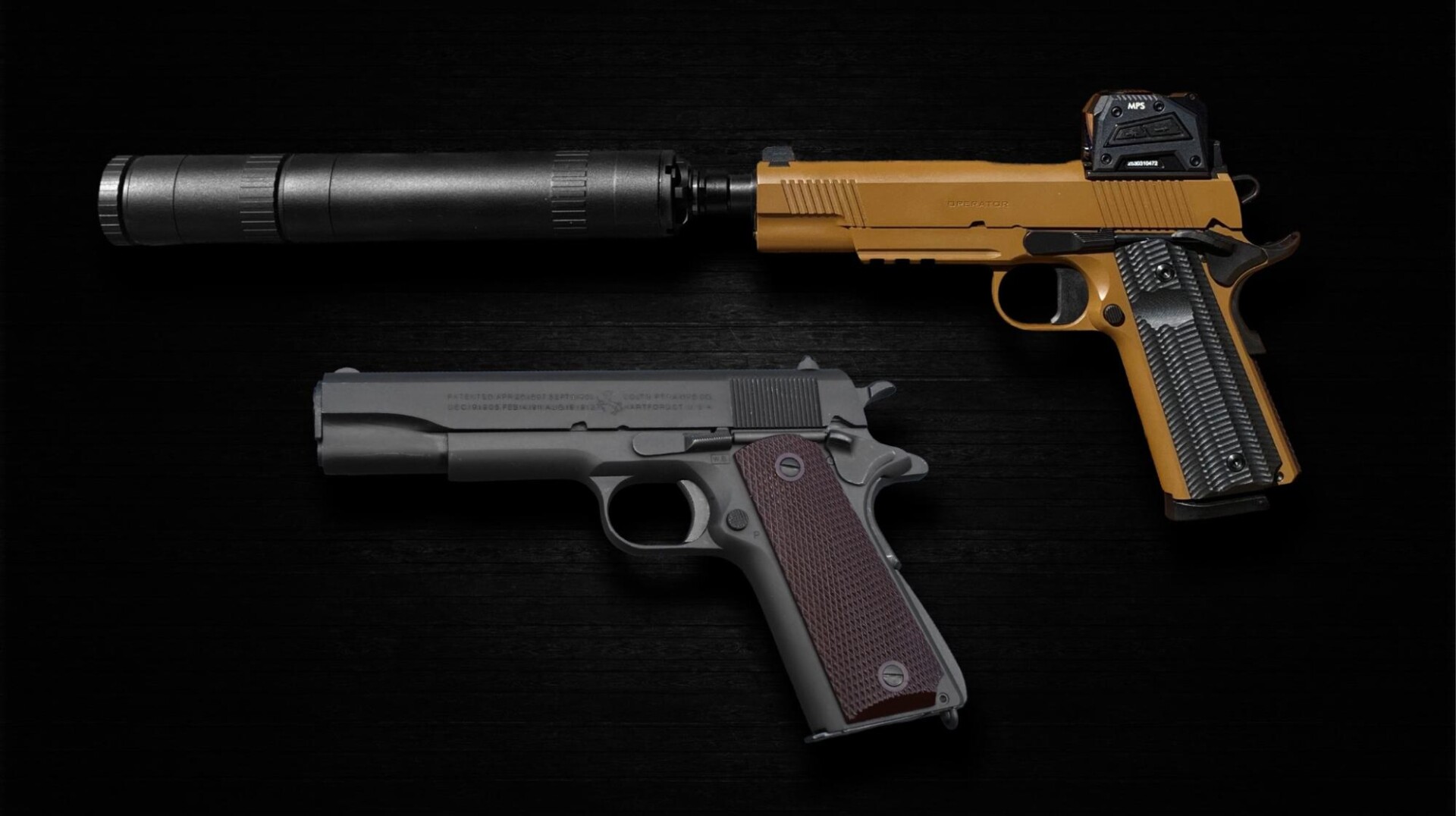
114 years of tradition.
This beloved symbol of American history and firearms craftsmanship served as the standard United States military sidearm from 1911 until 1985, earning its reputation through generational conflict, from World War I and World War II to the Korean War and Vietnam. Adopted for its effective stopping power relative to previous handgun cartridges, the .45 ACP proved highly effective in battle, while the 1911’s steel construction was known for rugged durability, reliability, and the ability to function in austere battlefield environments.
For all these reasons, the 1911 has earned its reputation, and its timeless style continues to be reflected in modern versions manufactured worldwide. It is considered an elegant weapon, representing a bygone era of craftsmanship that modern handguns lack, making it another symbol of American history and a source of pride. In fact, today, the 1911 is admired as a timeless piece of not only history but also the present day, much like a classic muscle car or a Rolex, with functional and aesthetic appeal likely to endure long after this proud American.
M1 Garand
The M1 Garand was designed by John C. Garand, a Canadian-born engineer and naturalized U.S. citizen who worked at Springfield Armory from 1919 until his retirement in 1953. It was the first standard-issue semi-automatic rifle of the United States military, providing American soldiers with a distinct edge in speed and firepower over their enemies who carried bolt-action rifles during World War II and the Korean War.
Among soldiers, the M1 Garand earned a reputation for its accuracy, the immense stopping power of the 30-06 cartridge, and rugged reliability. The great General George S. Patton famously referred to the M1 Garand as the “greatest battle implement ever devised.”
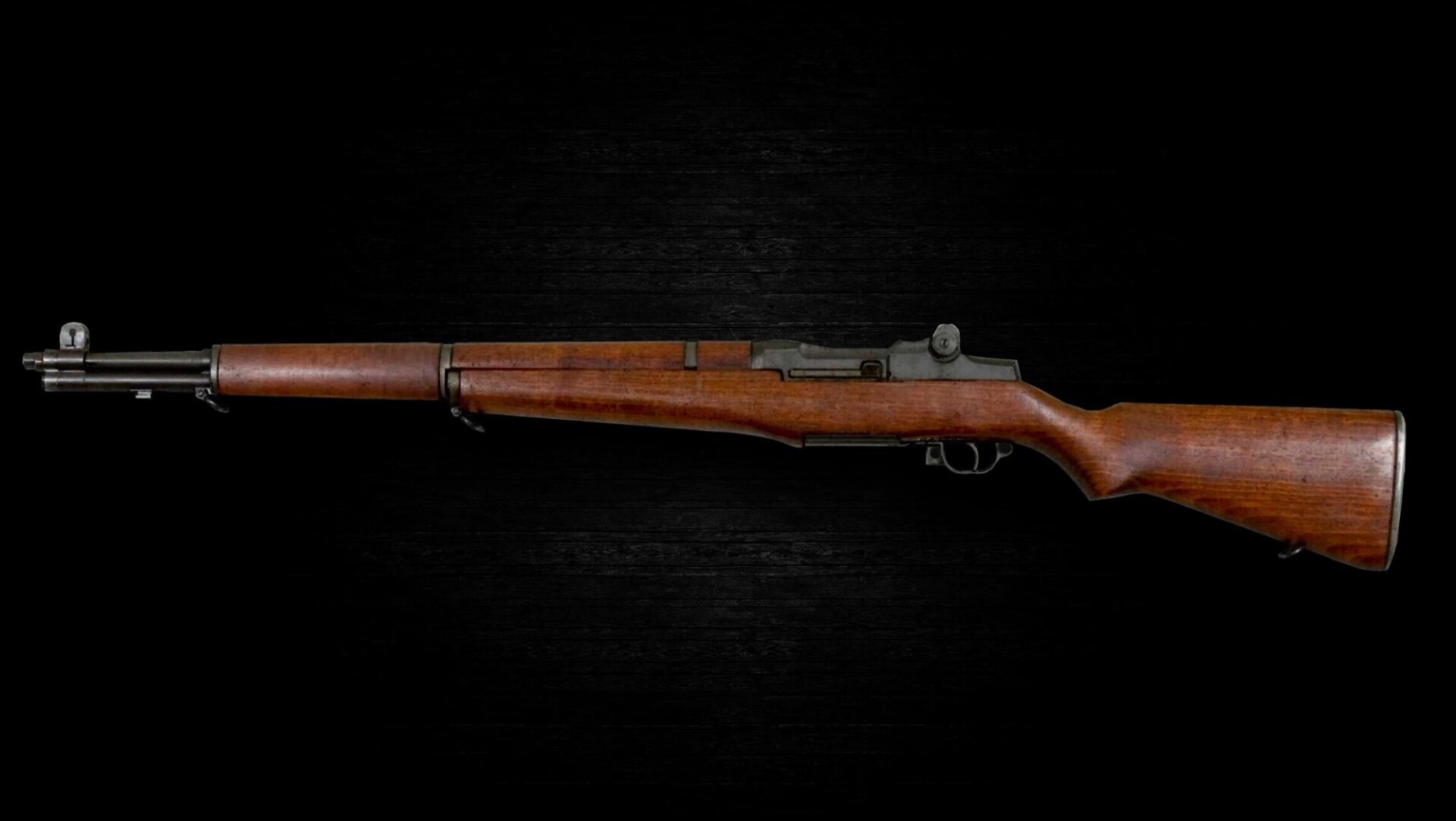
Hard to deny the beauty.
From the iconic “ping” upon ejection of a spent clip (yes, in this case, it’s a clip), to battered thumbs crushed by the slamming home of the bolt, the M1 Garand was the tool of our Greatest Generation, defending freedom, challenging tyranny, defeating the Axis Powers, and becoming a powerful symbol of the American warfighter.
The M1 Garand represents a pivotal piece of both firearms history and technology, laying the groundwork for future battle rifles, most notably the M14, replacing the M1 Garand as the standard-issue rifle by 1961 for the Army and 1965 for the Marine Corps. The M1 Garand has appeared in numerous films, television shows, documentaries, and video games, and is still sought after by shooters and enthusiasts.
AK-47
Designed by Mikhail Kalashnikov to perform under adverse conditions, the AK-47 was adopted by the Soviet Army in 1949. The simplicity and durability of the rifle made it a formidable weapon, known for its reliability in sandy, muddy, and otherwise inauspicious environments.
Chambered in 7.62×39, the historical significance of the AK-47 goes far beyond its battlefield prowess, becoming an instrumental part of Soviet geopolitical strategy as its low manufacturing cost and ease of use led to mass proliferation when the USSR licensed the design to Warsaw Pact nations and countries in Asia, Africa, and Latin America, impacting international production of the AK-47.
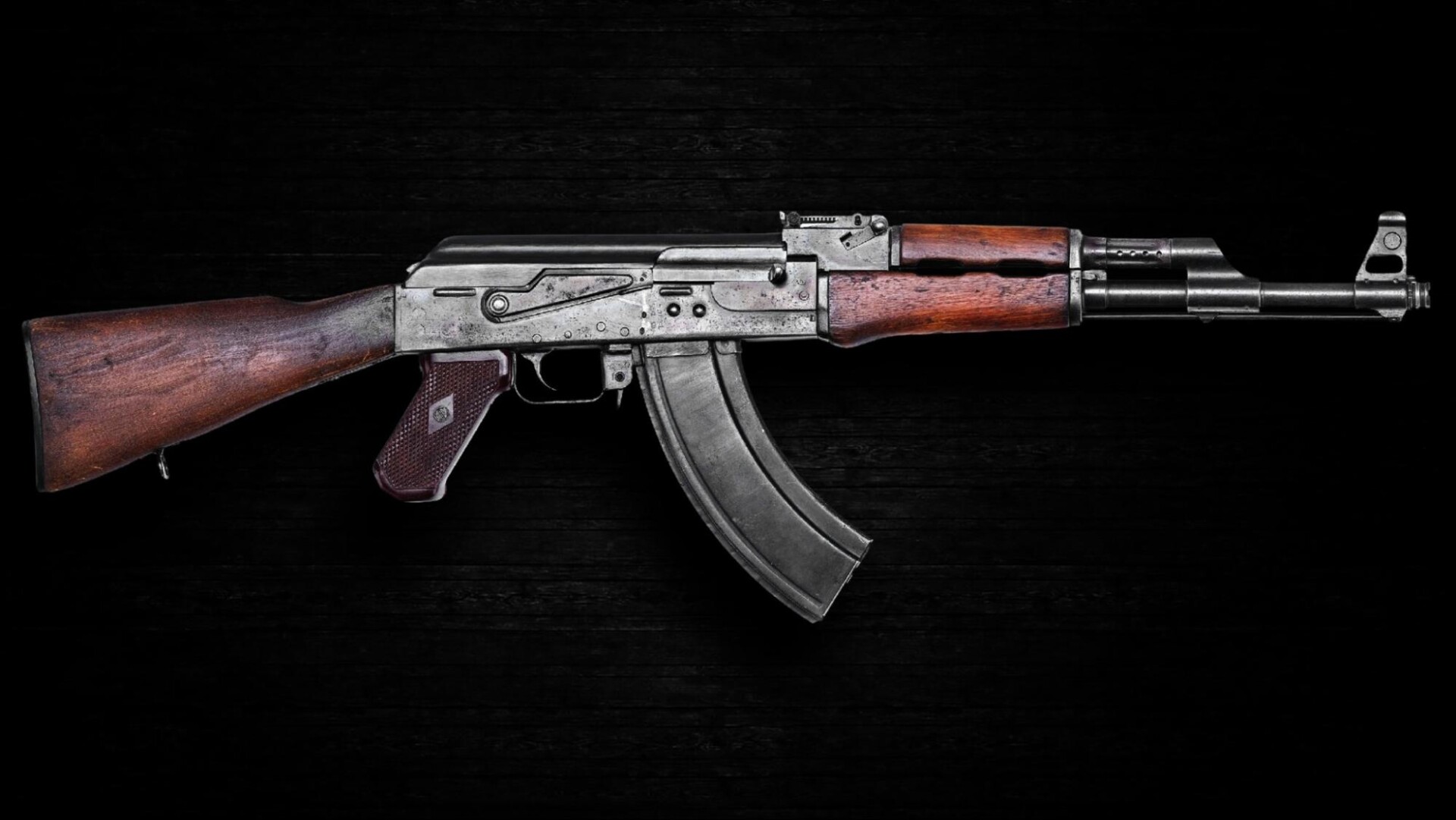
The AK-47 Type 1 is the very first production version of the Kalashnikov rifle. Source
Widespread production means widespread adoption, as militaries and rebel forces worldwide have made the AK-47 a symbol of conflict and revolution. Licensed to these allied nations and revolutionaries during the Cold War, the AK-47 was a key component of Soviet foreign policy, which was used to support communist and anti-Western movements in developing nations, from Vietnam to Africa and the Middle East.
The AK-47 is the undisputed champion of guerrilla armies and insurgents, and its presence in nearly every conflict across the globe makes it a ubiquitous symbol of resistance that is likely to endure. This small arm casts a huge shadow, as it has permeated pop culture and has even appeared on the flags of oppressors and liberators alike. The AK-47 remains the most produced firearm in history, with over 100 million rifles in circulation, making it a persistent presence on battlefields and a key factor in global arms proliferation.
AR-15
Indisputably “America’s Rifle,” the AR-15 is a masterpiece of function and modularity that has served in the hands of American warfighters since the Vietnam War. Eugene Stoner, who was the Chief Engineer at Armalite at the time, designed the gas-operated autoloading system for the Armalite Rifle. This led to the moniker “AR,” which does not stand for “assault rifle,” despite the uninformed media’s repeated assertion to the contrary.
The initial design was that of the AR-10, chambered in 7.62×51, but in 1957, the United States military, electing to prioritize lighter weight, influenced a change to what would become the 5.56×45mm NATO cartridge and the redesigned AR-15. In January of 1963, Secretary of Defense Robert McNamara announced that the AR-15 would replace the M14 in Vietnam under its new designation, the M16. The new service rifle weighed only 7.4 pounds, had less recoil, was easier to manage under full-automatic fire, and allowed soldiers to carry more ammunition, qualities conducive to overwhelming and outmaneuvering the enemy in Vietnam’s inhospitable jungles.
In the years that followed, the AR-15 platform evolved, incorporating heavier buffers to slow the rate of fire and improved materials throughout the rifle, including synthetics used for the stock, grip, and handguard. Other improvements included a chrome-lined bore and chamber to address corrosion and extraction issues, as well as a phosphate coating to combat rust on steel surfaces. These developments led to the M16A1 and ultimately the next generation, M16A2, in 1982. Significant changes occurred in 1994, when the military reduced the barrel length from 20 inches to 14.5 inches, adapted an adjustable buttstock, and designated the new rifle M4.
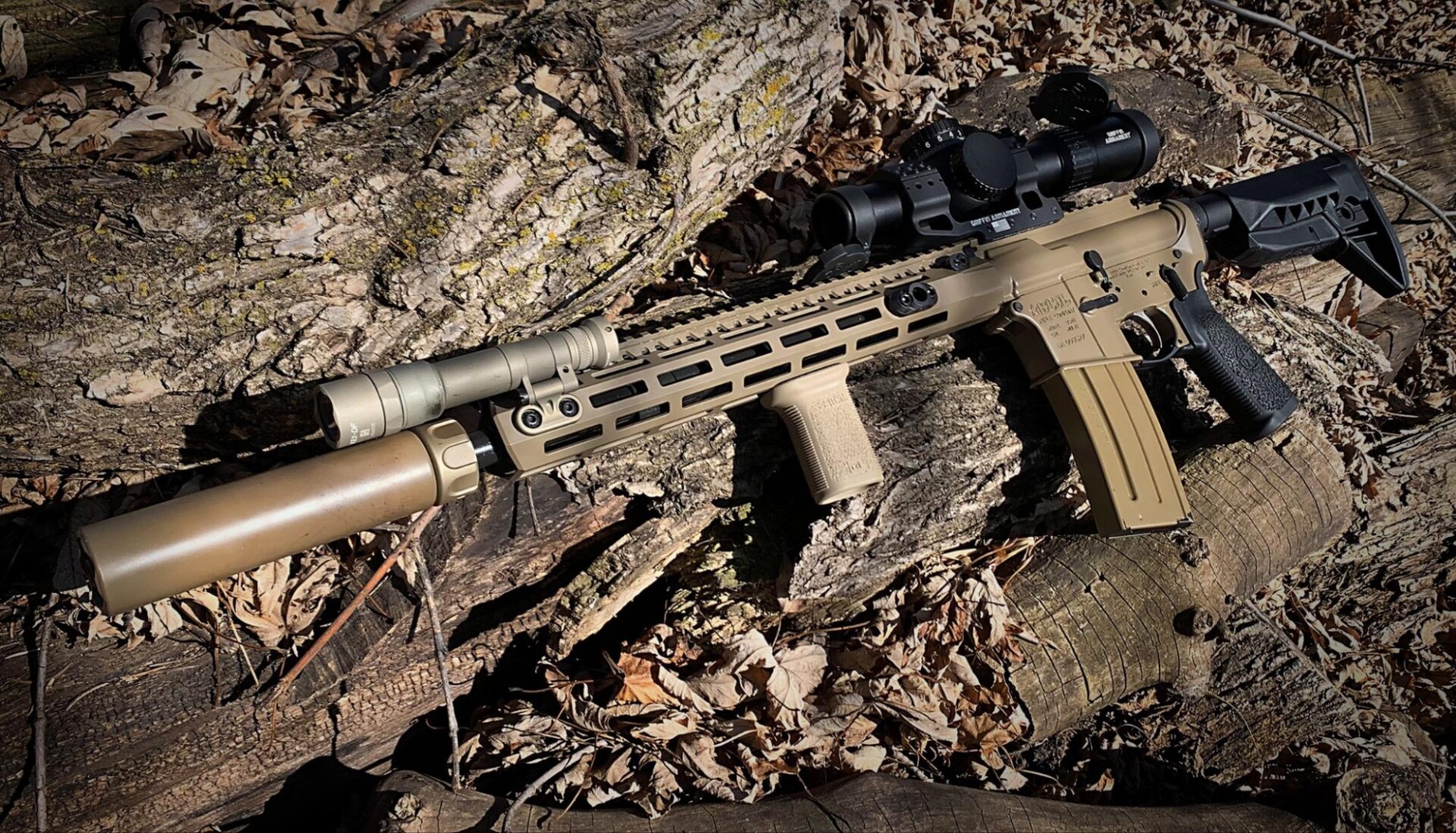
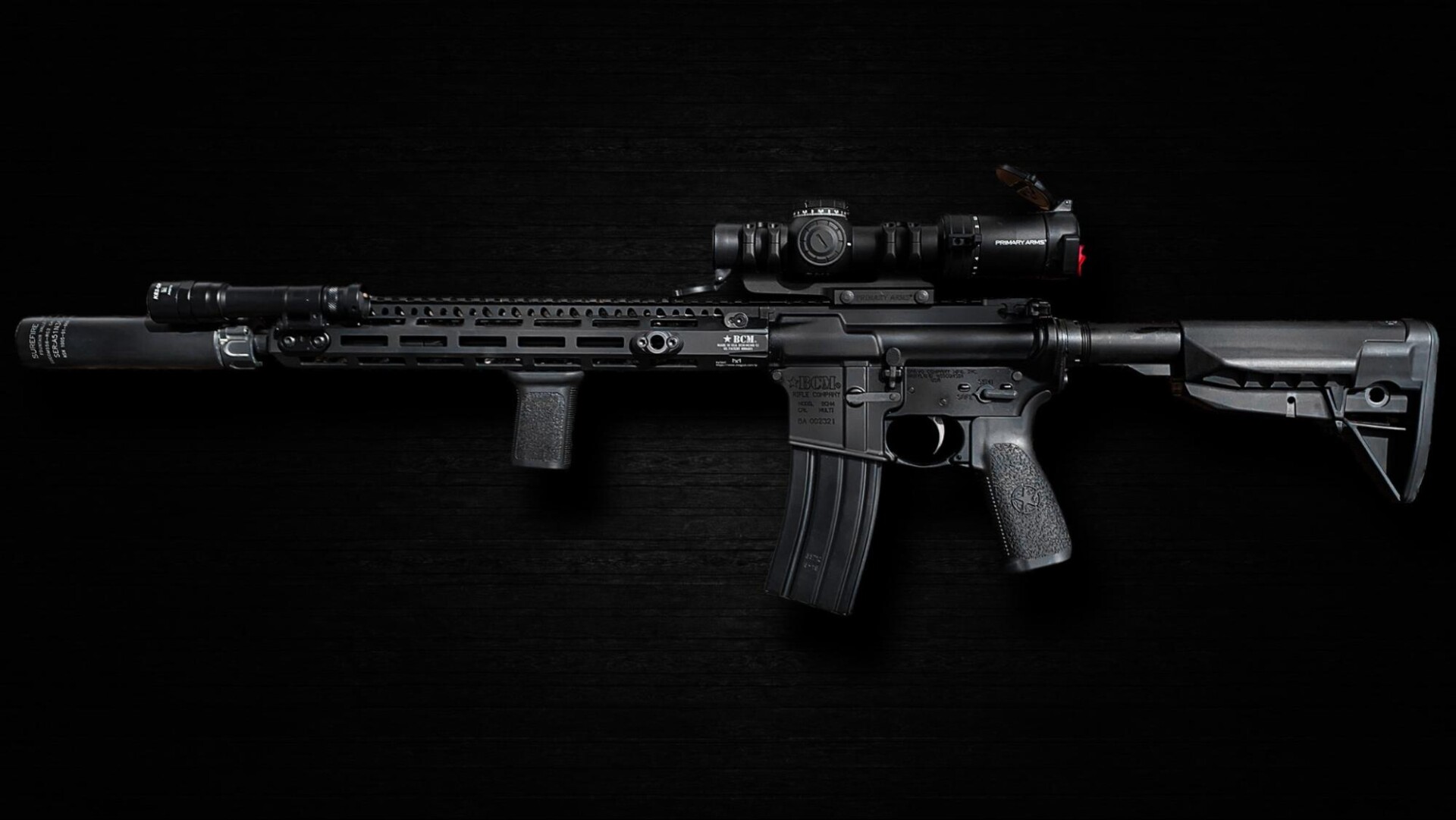
My Bravo Company USA RECCE 14.
Fast forward to today, and it is challenging to determine the exact number of AR-15s produced; however, some estimates suggest that over 44 million AR-15s are in circulation worldwide. The platform itself is manufactured in countries around the world, many of which have adopted some variant of the AR-15 for their military and police forces as well. Its popularity stems from its affordability, ergonomics, modularity, ease of use, accuracy, and the ability to tailor the rifle to the shooter’s specific needs. Due to this, the AR-15 is now available in a variety of calibers and is popular among a wide range of users, from competitive shooters to hunters to those seeking a reliable tool for home defense.
The AR-15 is a fixture of American pop culture, with numerous appearances in film and television, as well as on flags, bumper stickers, and a wide range of merchandise. It is reported that private citizens in America alone own more than 25 million AR-15s, reflecting the rifle’s deep roots in American society, its cultural relevance, and its true symbolism of freedom and self-reliance.
Heckler & Koch MP5
The Maschinenpistole 5, translated to Submachine Gun 5 and affectionately known to us as the MP5, is a German submachine gun developed by Heckler & Koch and adopted by the West German police in 1966. Its origins date back to the H&K G3, a 7.62x51mm chambered automatic rifle fielded by the German military in 1959.
Commandeering the G3’s roller-delayed blowback system, H&K engineers set out to create a smaller, pistol-caliber submachine gun that was accurate and reliable. Well, they succeeded, and the fruit of their effort was a firearm that became the preferred close-quarters weapon of special operations and counter-terrorist units worldwide.
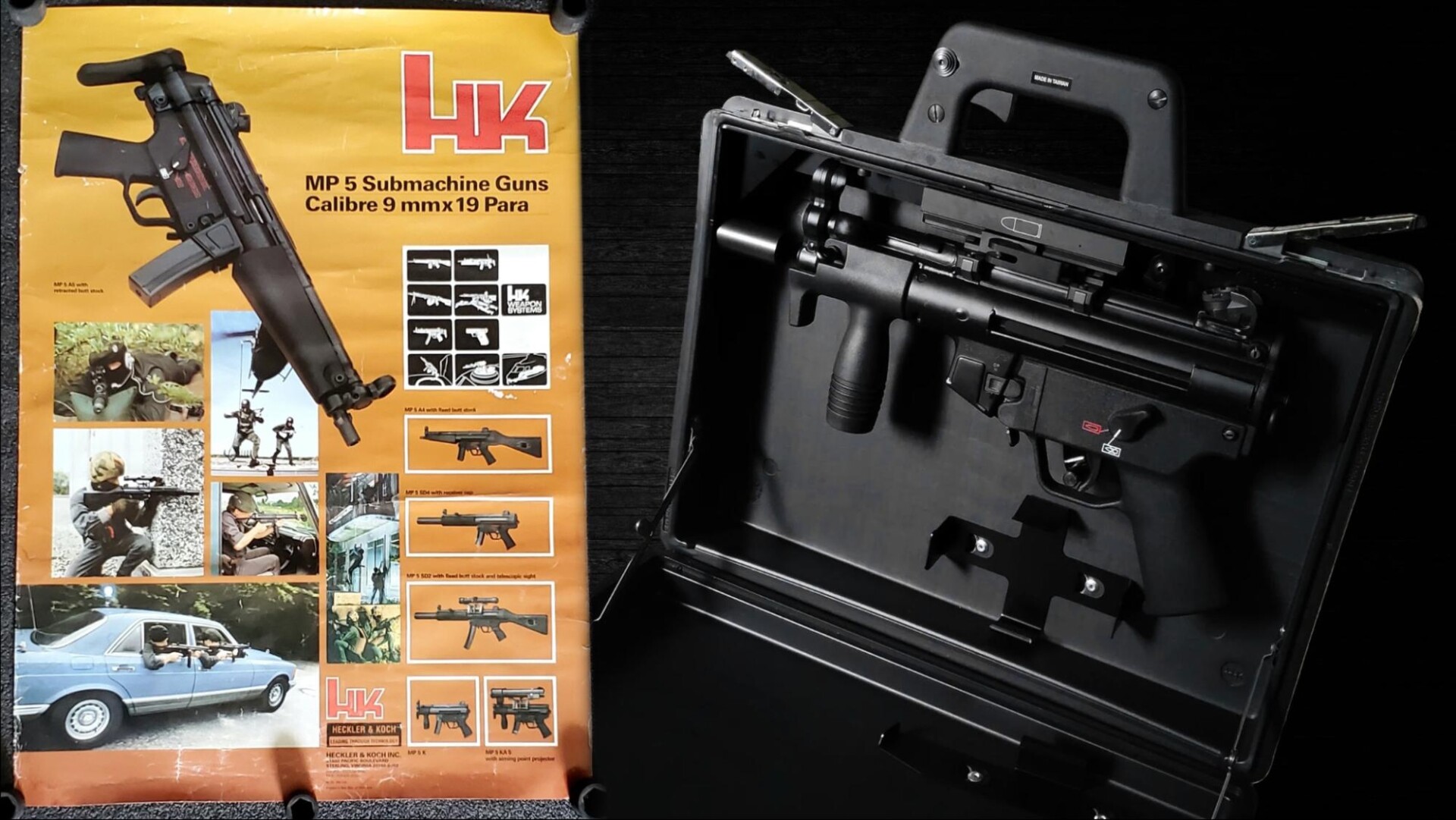
Collect them all! Source
Incorporating the sophisticated roller-delayed blowback system into a 9mm platform also provided greater control than typical submachine guns, increasing the accuracy of short or long bursts of automatic fire. Heckler & Koch ultimately produced several distinct variants of the MP5, with mission-specific demands in mind, including a standard, SD (integrally suppressed), PDW (Personal Defense Weapon), K (compact), and even a discreet adaptation that could fire while enclosed in a briefcase from a trigger hidden in the handle.
Like many gun enthusiasts today, I grew up seeing images of the MP5 carried by British SAS operators in the 1980 Iranian Embassy siege in London, and countless other examples, gaining significant recognition in action films and television shows, becoming a pop culture icon. This is arguably the gun that started it all for me, personally. Even today, with the emergence of modern submachine guns like the popular H&K MP7, the MP5 remains in active service worldwide and continues to be produced not only by Heckler & Koch but also by a host of other manufacturers licensed to make clones.
Glock
In the early 80s, Austrian engineer Gaston Glock, an expert in polymers and injection molding, developed the first polymer-framed Glock 17 to meet the Austrian military’s stringent requirements. Introduced in 1982, the revolutionary “Safe Action” striker-fired system, featuring internal safeties, a lightweight design, and high capacity, became a favorite of law enforcement and militaries worldwide, and later proved to be among the most durable and reliable handguns ever made.
The consistent trigger pull of the striker-fired mechanism was a key factor in Glock’s simplicity and ease of use. The injection-molded polymer frame, a departure from steel frames of the era, made the manufacturing process faster and more cost-effective than machining steel. The Glock 17 was adopted by the Austrian and later the Norwegian Armies, swiftly followed by widespread selection among American law enforcement agencies.
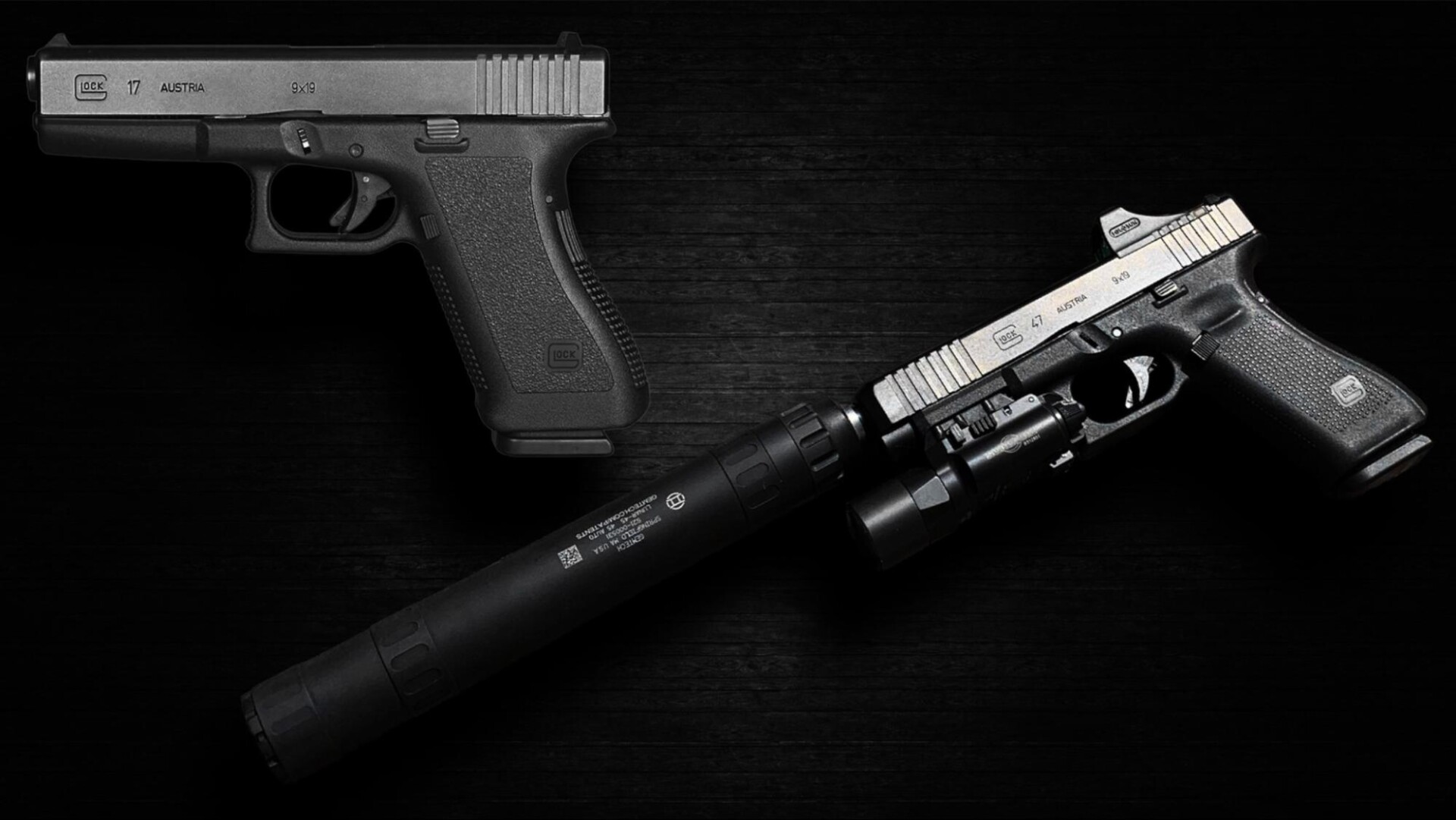
We’ve come a long way.
Glock quickly became popular with civilian shooters, from competitors to those looking for a dependable firearm for everyday carry and home defense, contributing to the success of the handgun market in America and earning a reputation for being among the most trusted firearms on the planet. Gaston’s invention created a template for future handgun designs, with polymer-framed, striker-fired guns significantly outselling their hammer-fired counterparts today.
Glock has experienced broad recognition in the music, television, and film industries, becoming an ever-present pop culture icon. My two favorite Glock references tend to lean towards the comedic side. First is the cocking sound of a hammer heard in so many movies and television shows over the years. Glocks don’t have hammers to manually cock. Get a technical advisor! The second reference comes from a bad Vice documentary, where a masked cartel member talks about his “Glock 40” while he shows off a High-Point in his hands, or something along those lines. Yes, I’ve heard people refer to their gun universally as a Glock a few too many times over the years, and it’s always good for a chuckle.
Final Thoughts
I recognize that many other firearms could have been on this list, but then it would have been a book, not an article. In many ways, these firearms were inspired by predecessors, as we tend to stand on the shoulders of those who came before us.
If I take one thing away from this article after writing it, that will be self-admonishment for not owning three of the guns on my own list, but I’ll never tell which ones. Now that I think of it, I haven’t gone to the gun store in a while.