0
Off-Body Carry: When, Where, and Why
Off-body carry is one of the most debated topics in the concealed carry world, and for good reason. While inside-the-waistband (IWB) carry remains the most popular, if you carry regularly, it is worth considering alternatives to just one method. Having multiple carry options gives you flexibility without ever having to sacrifice preparedness.
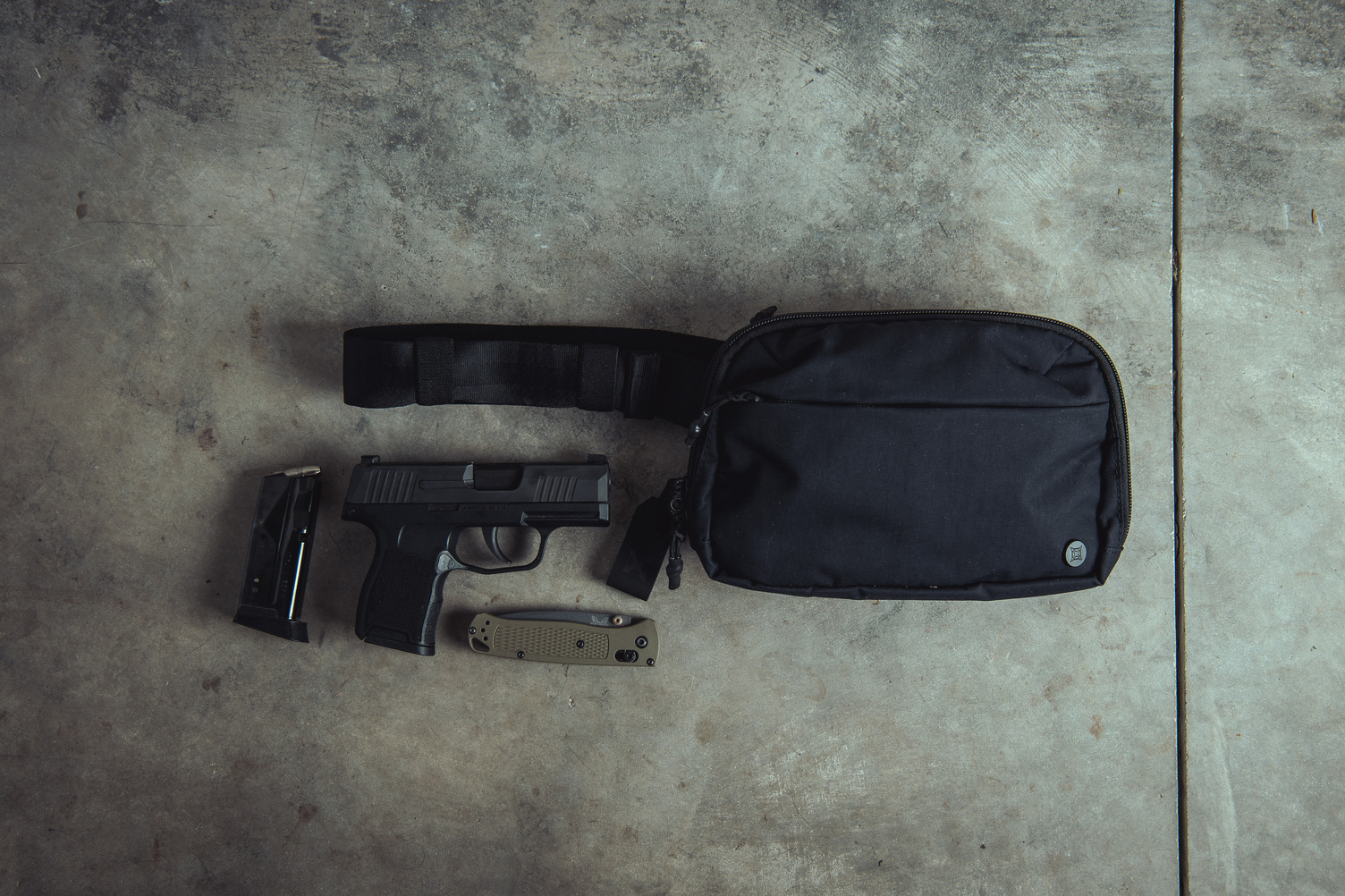
Essentials that you should never leave home without. Source
What Is Off-Body Carry?
It’s simple. Off-body carry refers to carrying your firearm in something you are wearing or carrying that’s not attached directly to your body by way of a holster. That could mean a fanny pack, backpack, sling bag, purse, or even a briefcase. While considered less “secure” than traditional holsters, you can still maintain discreet and quick access to your firearm.
The Benefits of Off-Body Carry
One of the biggest advantages of off-body carry is comfort. Carrying IWB all day is not always comfortable, especially if you’re driving for long hours, sitting at a desk, or wearing athletic clothing without a belt. However, having the right holster can mitigate most of the discomfort!
For people who struggle with printing or body-type limitations, something like a fanny pack or sling bag eliminates those concerns entirely and allows greater clothing flexibility.
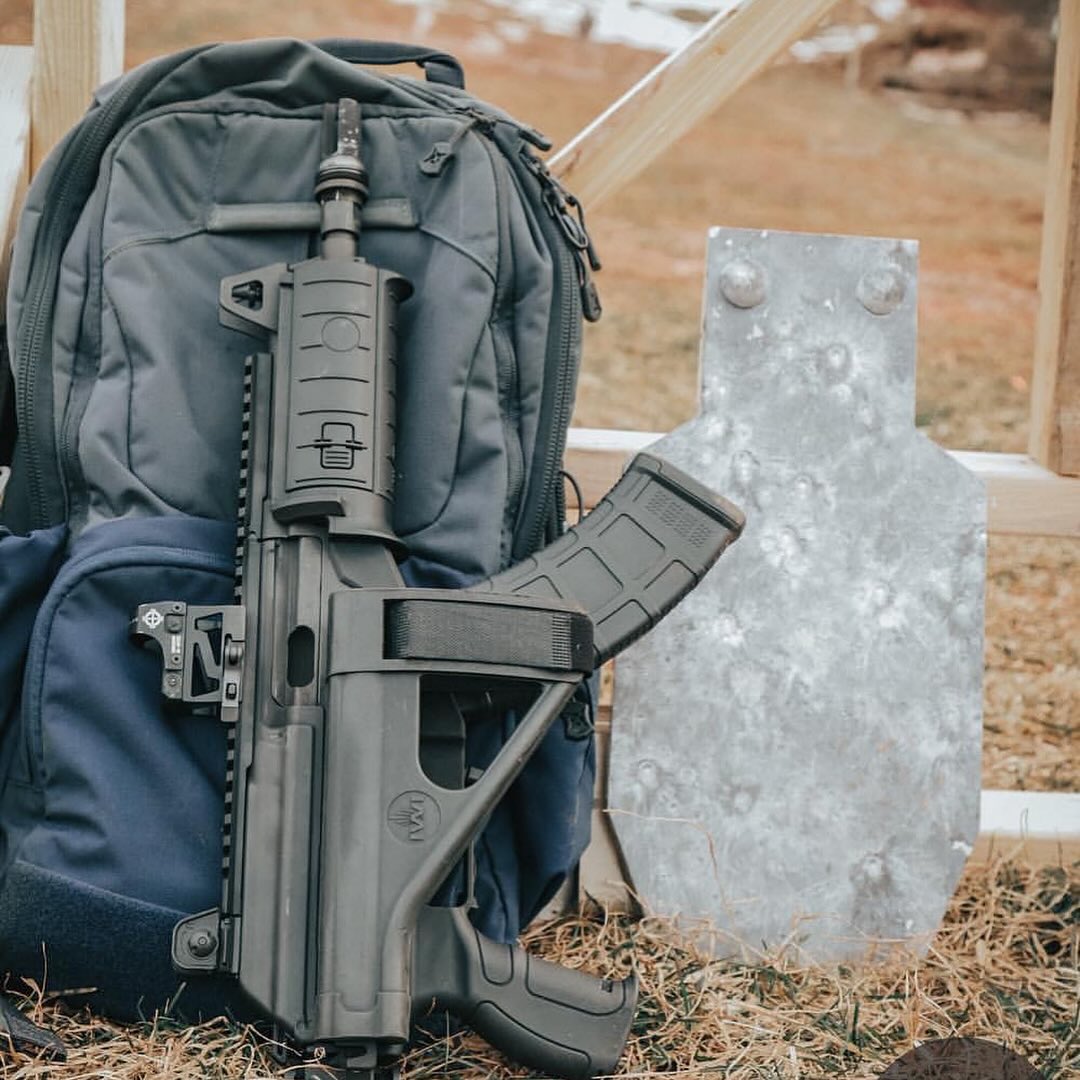
With the right bag, you can even carry something like this! Source
Another benefit is the ability to carry a larger firearm, which often comes with higher capacity and better shootability. Going from a sub-compact pistol like the Glock 43X to a Glock 17, for example, can almost instantly improve your preparedness in various scenarios.
The Drawbacks and Risks
It may seem like off-body carry is the greatest thing since sliced bread, but it doesn’t come without its drawbacks. The biggest is slower access. Drawing from a bag is almost always slower than drawing from a properly set-up holster.
Access requires locating the zipper, opening the compartment, establishing a grip, and clearing the firearm. Under stress, that means more steps and more room for error.
There is also the issue of separation. If you set your bag down, you have just set your firearm down. That is the biggest safety concern. Your bag must stay under your control at all times. If you are prone to forgetting things, off-body carry may not be for you.
Last but certainly not least, security concerns also come into play. A stolen bag equals a stolen gun, plus you have to think about unauthorized access, especially if children are around.
Why Multiple Carry Methods Matter
IWB carry is ideal in most situations because it gives you a faster draw, direct control over your firearm, and a lower chance of separation. However, life is not one-size-fits-all. There will be days when you are in gym clothes, traveling, on a long road trip, or carrying medical gear and other essentials.
Having a secondary carry option keeps you from making a terrible decision: not carrying at all. Just like you might rotate between a micro compact for summer concealment and a larger handgun for winter carry, you can rotate carry methods when circumstances demand it.
Practical Off-Body Carry Options
As we mentioned earlier, there are several practical off-body carry options. Fanny packs have made a comeback and can work well when chosen carefully. They allow relatively quick front access and keep the firearm oriented consistently while remaining on your body.
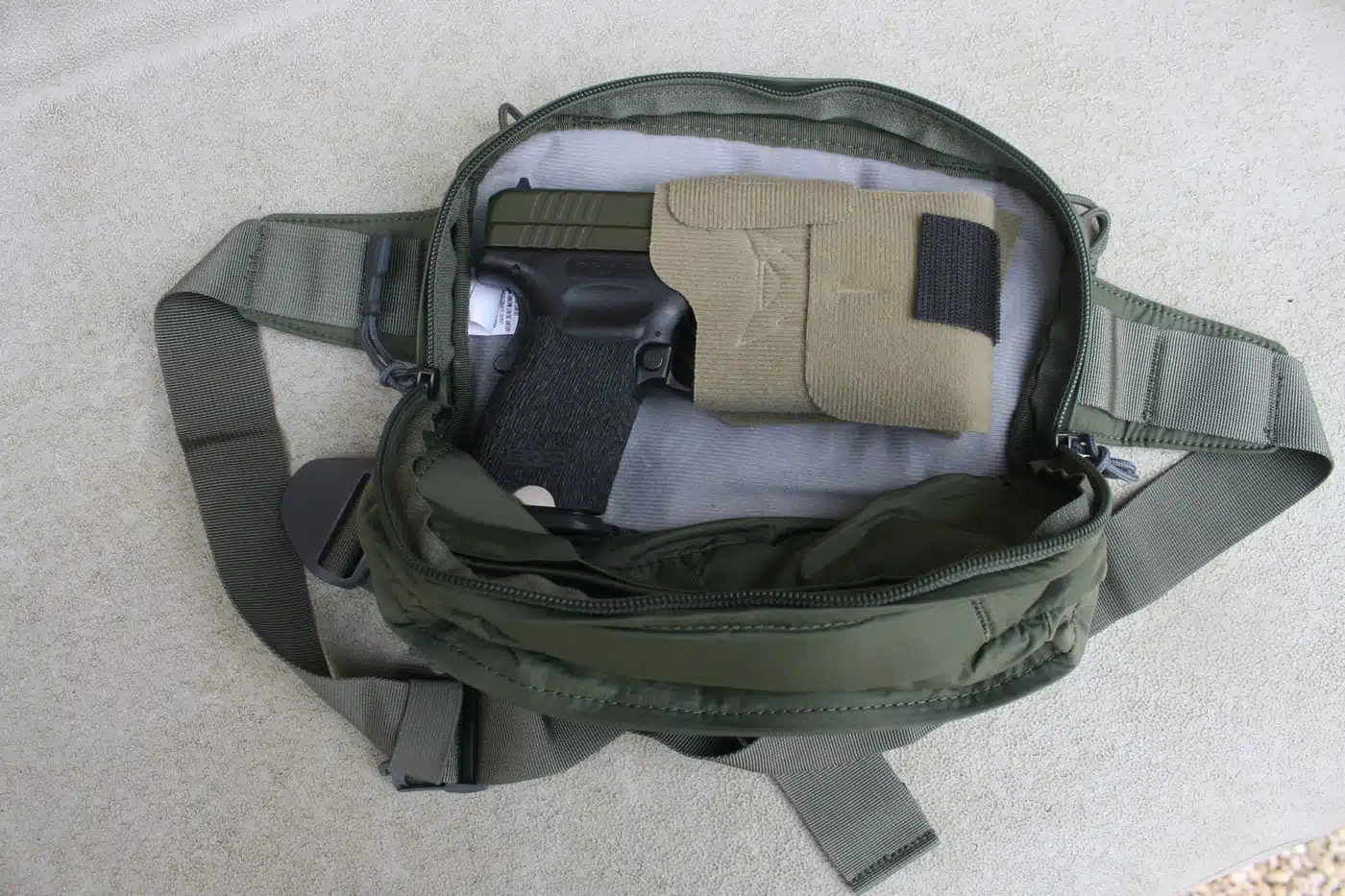
Compact, discreet, and easy to access. Source
Sling bags or crossbody bags are also popular and can be worn across the chest for improved retention and access. They are especially practical in urban environments, during travel, or when carrying additional everyday gear such as medical supplies (which you should strongly consider).
Then we have backpacks. They are common and discreet, particularly for commuters or students, but they require more caution since they are easier to remove and set down and typically offer slower access. If you decide to go the backpack route, we suggest you look at concealed carry specific packs that offer dedicated compartments for secure but quick access.
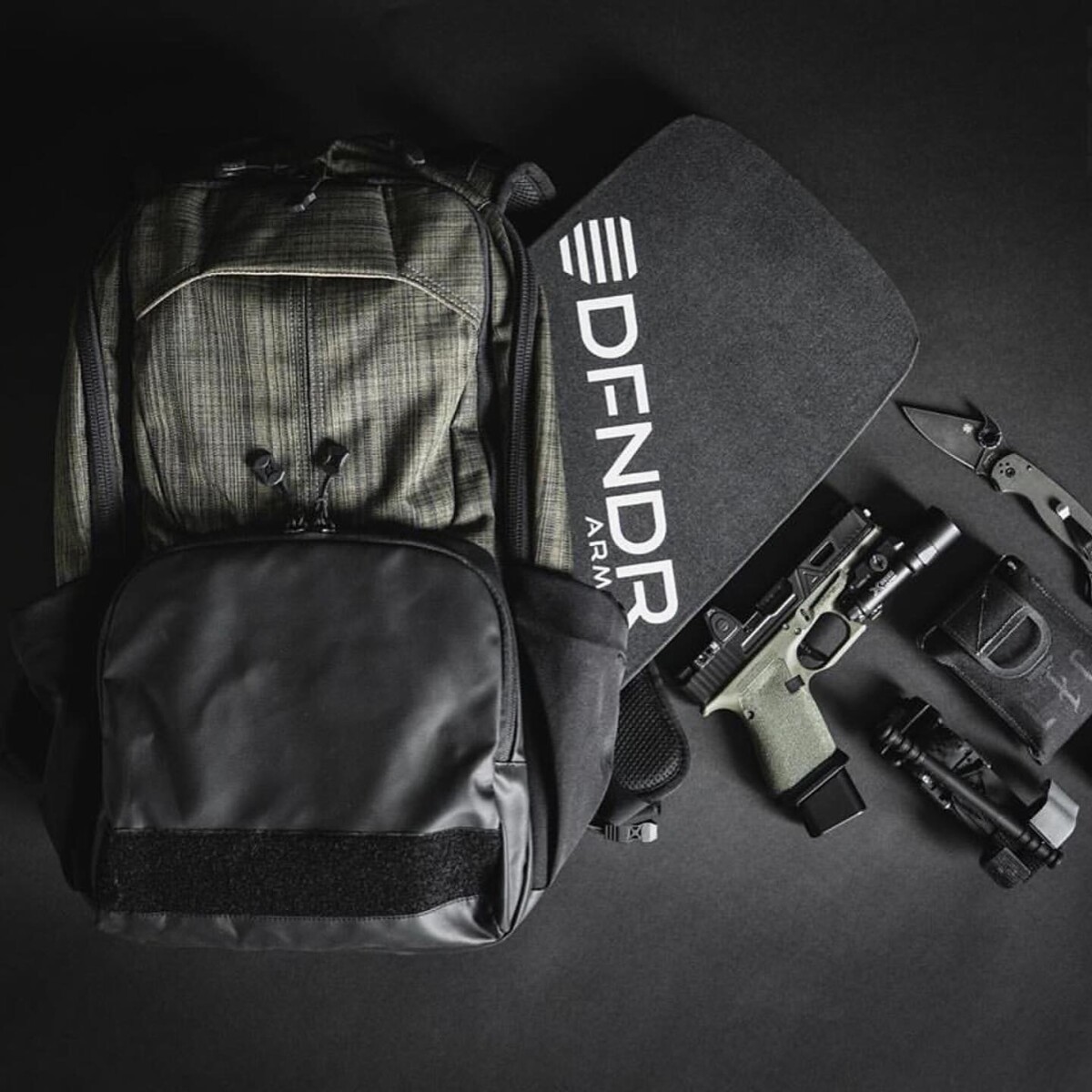
Some backpacks even have dedicated spots for armor plates. Source
Concealed carry purses are a practical option as well, provided they are specifically designed with a separate firearm compartment, built-in holster retention, and ideally lockable zippers.
Regardless of which you choose, you must ensure the bag stays on you and under your control.
Training and Best Practices
If you decide to off-body carry, you need to train, just like you do with drawing from concealment via your IWB holster. Practice drawing from the bag, clearing zippers quickly, establishing a consistent grip, and reholstering safely.
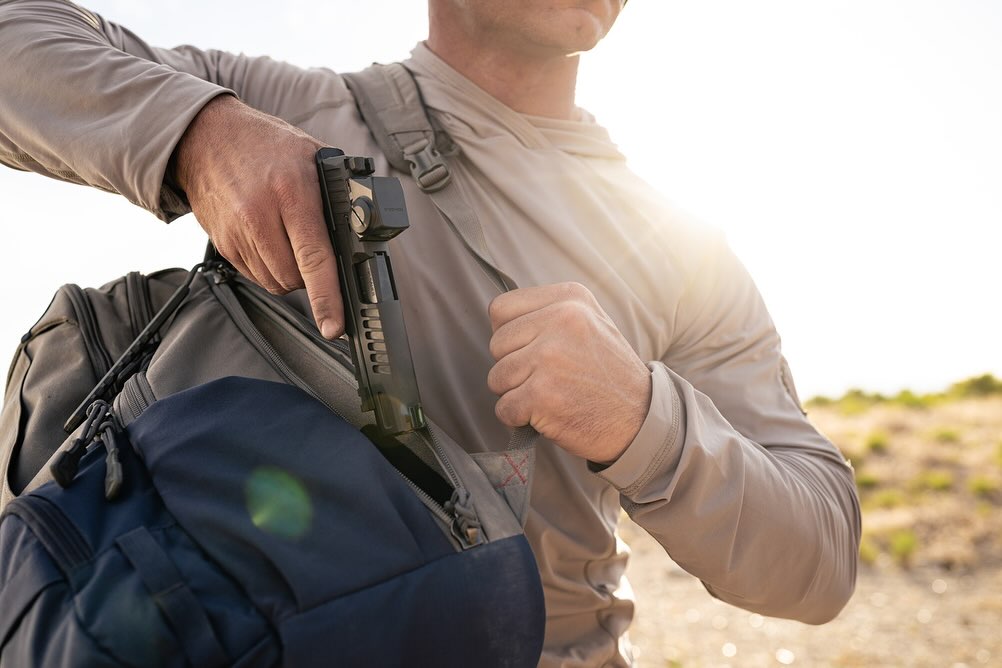
You can never train enough. Source
You’ll also want to keep the firearm compartment consistent and free of clutter, and ensure the gun remains properly secured in a holster that fully protects the trigger. That last part is a MUST…you need to ensure the trigger is fully protected to avoid any accidental discharges.
Final Thoughts
Off-body carry is not inherently good or bad. It is situational. It is about adaptability.
The worst carry method is the one you leave at home. If adding a fanny pack, sling bag, or discreet backpack to your carry rotation helps you stay consistently armed, why not consider it?
Thankfully, the market has more amazing options than ever, so you should have no problem finding what you consider best for you!