0
Panic Buying Based on Previous Election Results
Panic buying is not a new phenomenon, and recent American history has been filled with examples of people panic-buying items and causing prices to surge. You probably know someone still using toilet paper they bought in 2020 because of COVID-19.
On top of that, remember the prices of guns and ammunition? I remember doing a transfer at my local FFL on a surplus firearm I found cheap and seeing 9mm being listed for more than $1 per round, and people were still standing in line to buy it.
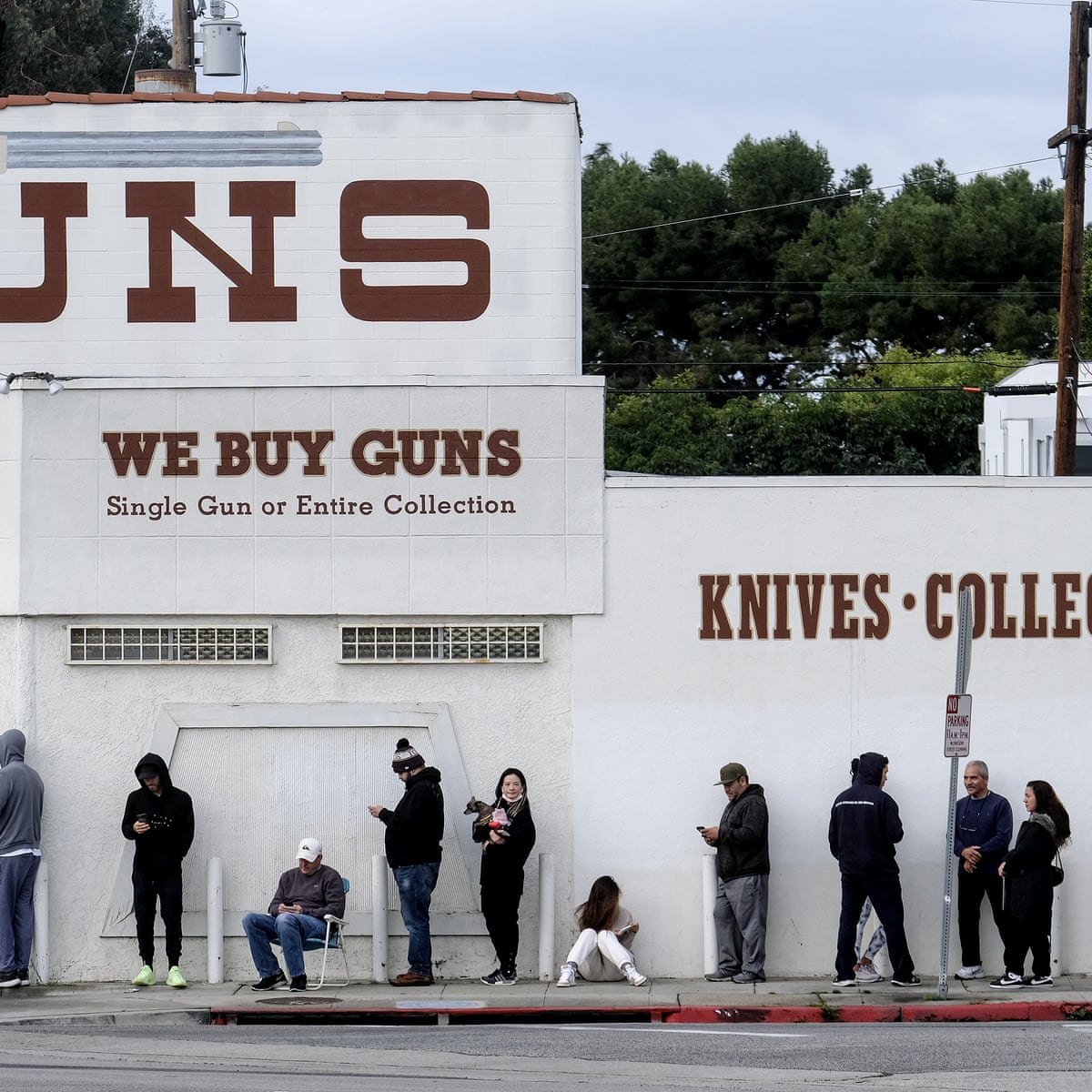
It’s not just iPhones that people wait in line for when panic buying. Source
Unfortunately, election years in the U.S. are no exception to panic buying. There is a well-documented history of people panic buying firearms as a result of elections, at least in the 21st century. We see gun owners, especially those with a more casual interest in the hobby and, therefore, a smaller collection or stockpile, rushing to buy X, Y, or Z, fearing new legislation will ban or severely limit ownership.
This article will explore panic buying trends across four themes: firearms, ammunition, accessories, and other items like body armor. We will compare data from the 2004, 2008, 2012, 2016, and 2020 presidential elections and supplement it all with our own experiences.
Firearms
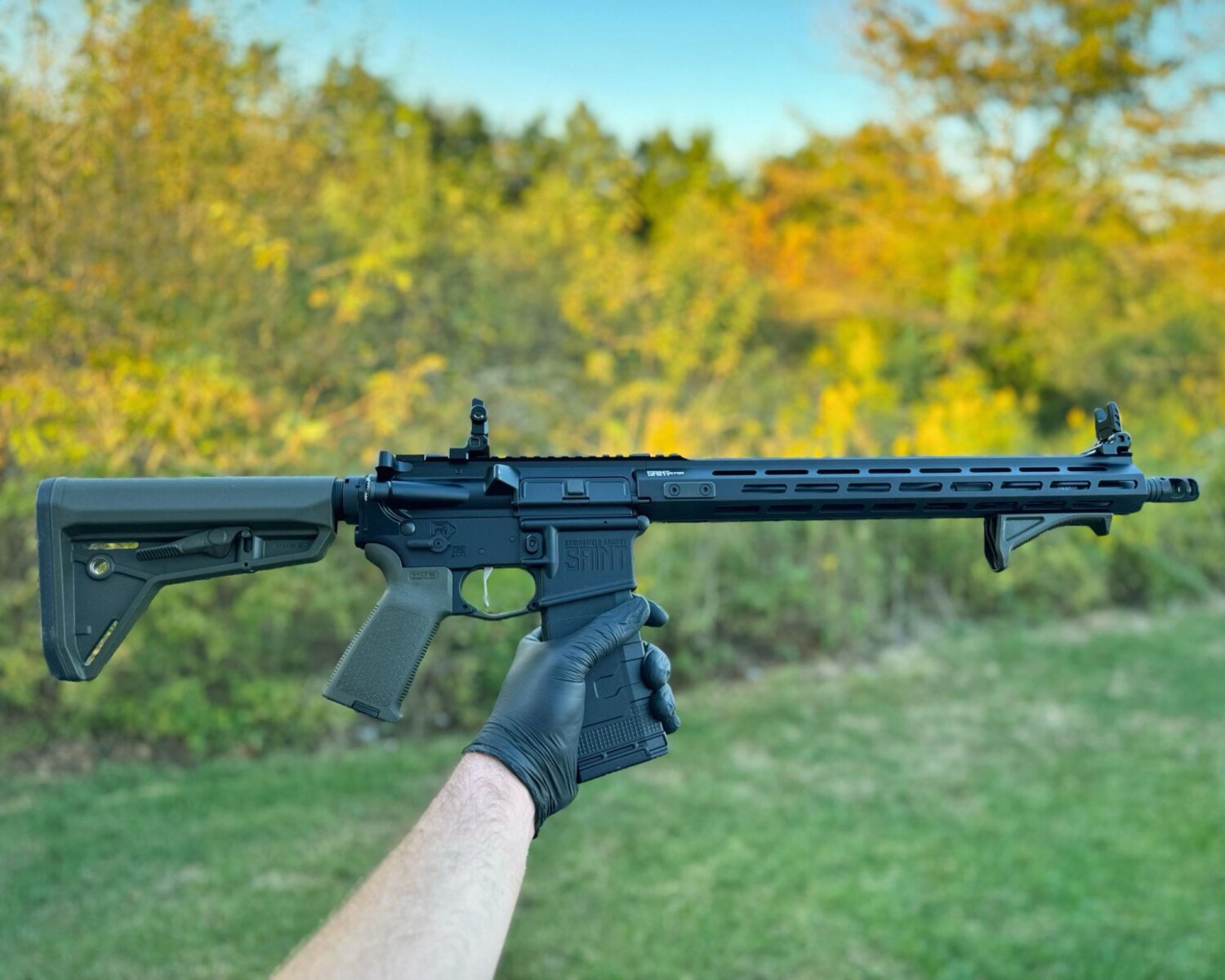
The iconic AR-15 has stood the test of time and proven its ability to adapt to changing times.
AR-15s
The AR-15 rifle has become the symbol of political contention over guns in America and, as a result, has become symbolic of panic buying leading up to and following presidential elections.
- 2004 Election: The expiration of the 1994 Federal Assault Weapons Ban in September 2004 allowed the purchase of AR-15s to resume in earnest. With the looming election just two months away, there was some spike in prices, but overall, the results were tame by later standards. Bush’s reelection put to rest the fear of a new ban, and overall, prices rose by only a moderate amount.
- 2008 Election: Barack Obama’s 2008 presidential campaign promised stricter gun laws, and prices of AR-15s and other guns surged both before and after the election. Many buyers, myself included, anticipated that another ban on “assault weapons” would be on the way.
As a result, the number of background checks skyrocketed. Despite my best efforts to find specific, scholarly data that shows AR-15 prices increased by X dollars or X percentage from before Barack Obama’s election to after Barack Obama’s election, the data doesn’t exist in a form I feel comfortable citing. That being said, the National Sports Shooting Foundation, CNN, the Guardian, and other sources noted the panic buying and corresponding price increases. Most of the data, and my own experiences, show a roughly 33% price increase.
This is the election where I fell victim to panic buying mania. I decided I had to have an AR-15 before they were banned. I went to all my local sporting goods stores to discover that every AR-15 was out of stock. As a result, I decided to go to the gun show in downtown Houston and walked out with a new Smith & Wesson M&P-15. I paid $1,500 for a rifle retailing at Academy Sports for $1,000.
- 2012 Election: Obama’s re-election in 2012 witnessed a similar pattern to the 2008 election. Coupled with the Sandy Hook shooting a month later, it fueled intense panic buying of AR-15s and other rifles perceived to be threatened by the strong push for more gun control. AR-15 prices spiked from before to after the election and after Sandy Hook. Price increases of 33 to 50 percent were witnessed.
- 2016 Election: Many firearms enthusiasts, myself included, expected Hillary Clinton to win the 2016 presidential election. She had a pro-gun control platform, and as a result, most expected anti-Second Amendment legislation and judges to become the norm. Prices before the election spiked, but with fears of a ban going away following Trump’s victory, prices of AR-15s experienced a dramatic crash. The gun industry experienced a significant slump in sales and profits.
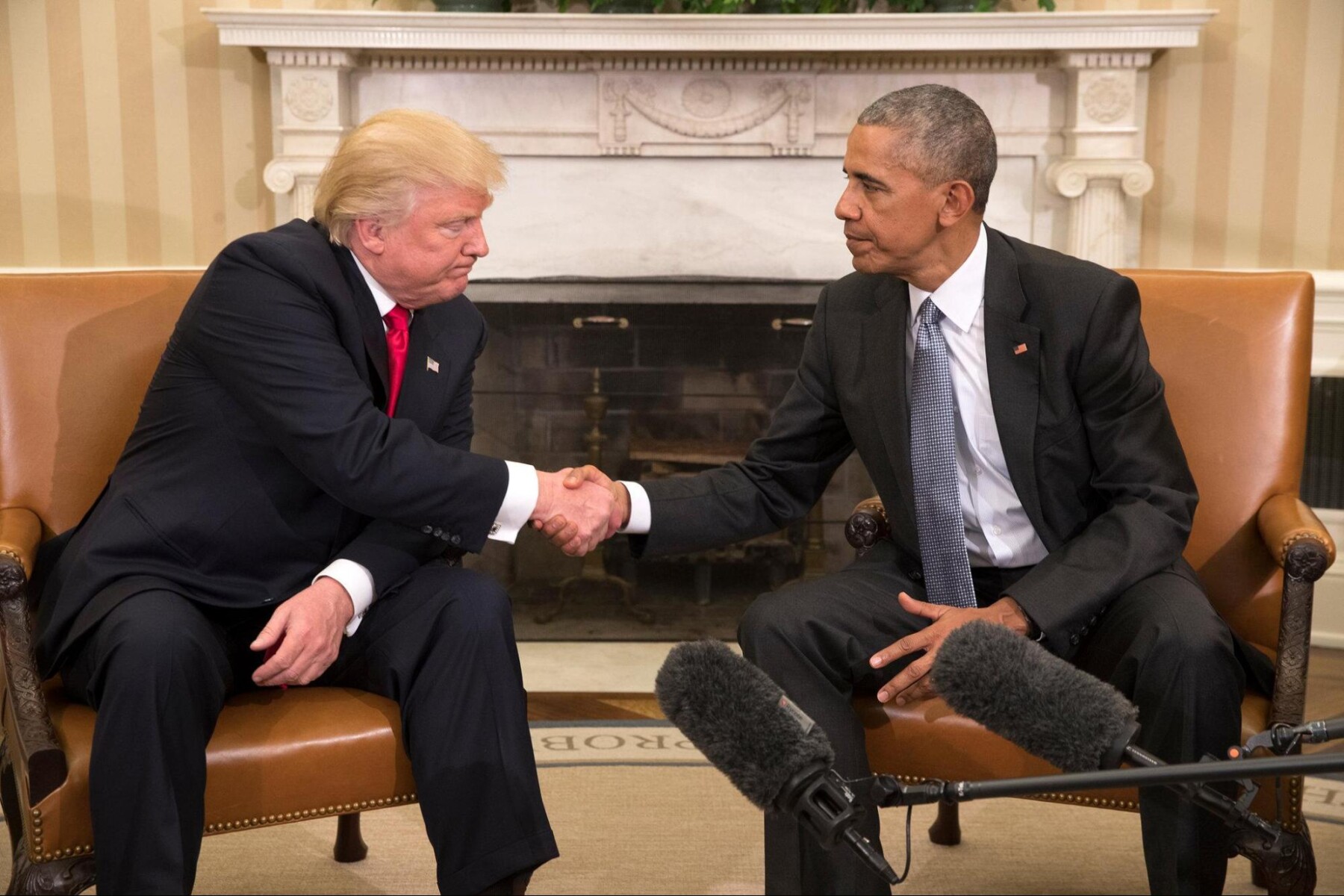
President Trump and President Obama presided over very different presidencies. Source
- 2020 Election: The 2020 election is one of the strangest in American history. Coming on the heels of the COVID-19 pandemic, it combined with the civil unrest that swept the nation during the summer and early fall of 2020 and Joe Biden’s overtly pro-gun control platform to create strong demand for all firearms, especially AR-15s. Prices for AR-15s, which had trended down for most of Donald Trump’s presidency, skyrocketed. It was not uncommon to walk into a gun store in 2021 and find literally zero guns and ammo on the shelf or very few items available, and those that were available were well above MSRP.
- 2024 Election: So far, the 2024 election has not sparked the same level of panic buying that the 2008, 2012, 2016, and 2020 elections resulted in. The divided nature of the country has led to legislative deadlock, and the conservative majority in the Supreme Court has many pro-Second Amendment gun owners feeling much more confident than in previous elections. This has resulted in lower demand before the 2024 election than in the last few election cycles. Meaning…now might be a great time to buy a new AR-15 since prices, especially for budget-friendly options, are very reasonable.
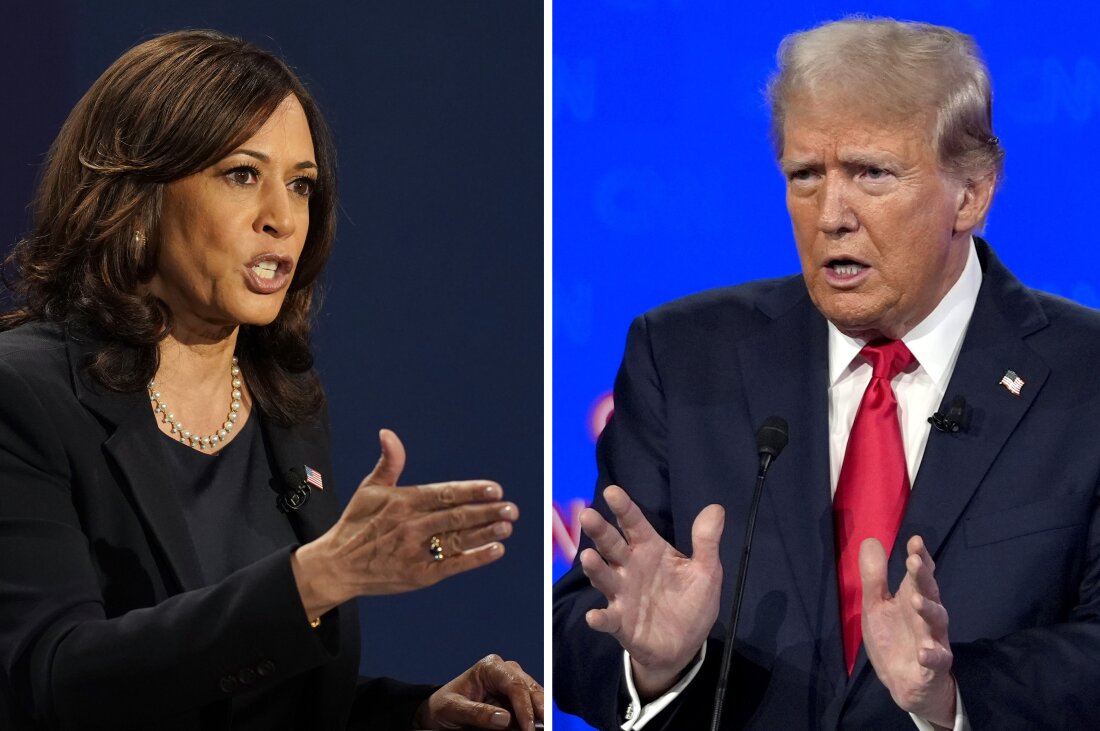
The results of the 2024 election will profoundly impact the future of gun rights in America. Source
Popular Pistols
Popular handguns, such as offerings from Glock, Sig, Ruger, and Smith and Wesson, have also been subject to panic buying. Politicians have been less willing to ban handguns, so there is less pressure to grab one. Still, recently, the rhetoric surrounding semi-automatic firearms and state laws banning certain magazines has put more pressure on the handgun market.
Ammunition
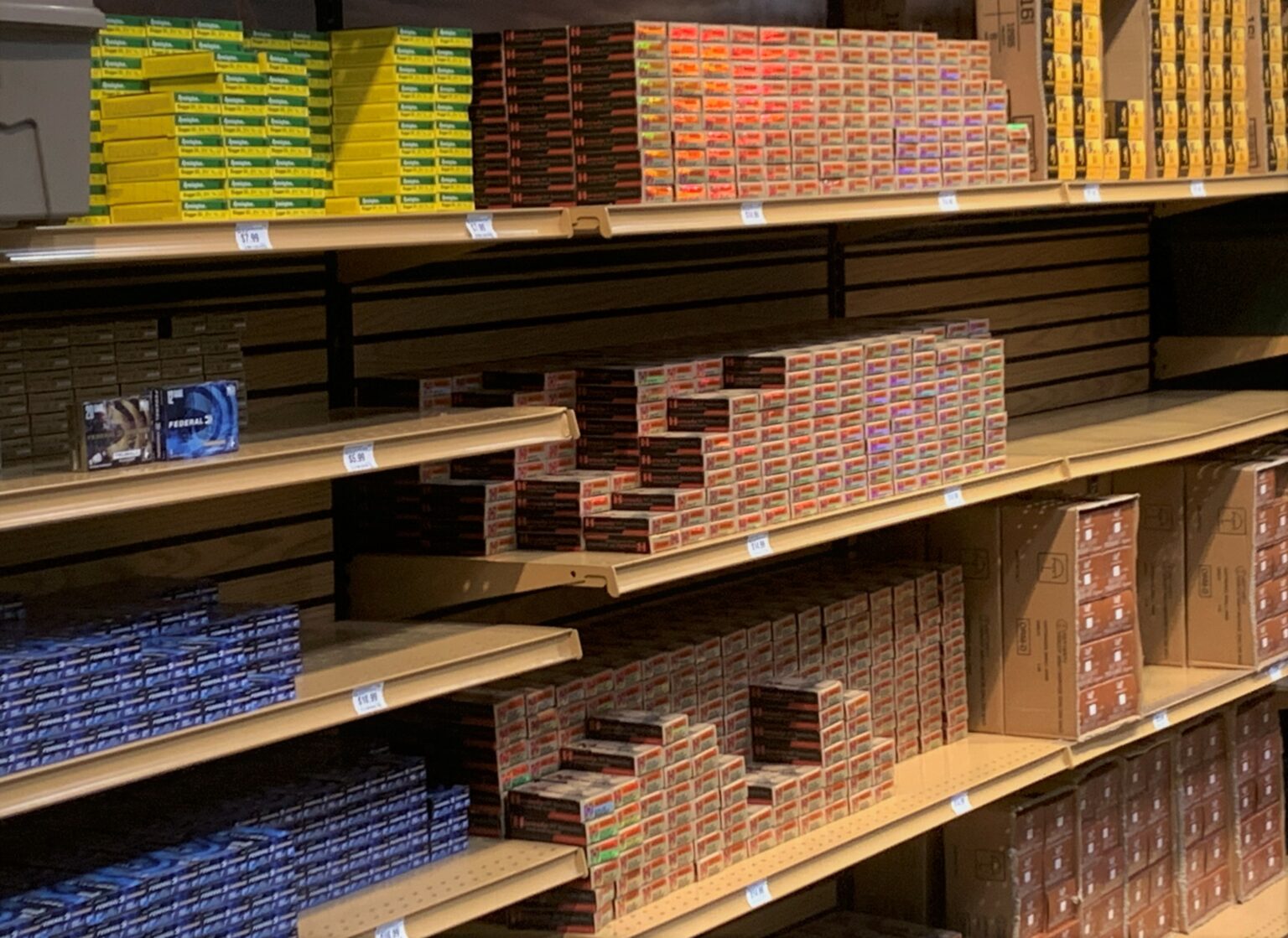
When the panic buying starts, don’t expect to see shelves this well stocked. Source
Panic buying of ammunition is a significant issue. Data show that it is an even bigger issue than panic buying of firearms. Modern firearms are very durable, and most never shoot enough to wear them out. Ammunition, on the other hand, is a consumable. The more you shoot, the more you need. Looking at previous election cycles can help forecast what we could expect in 2024.
- 2008 & 2012 Elections: 9mm ammo before the 2008 election was below $0.20 per round and could be found as low as $0.15 per round. Following the election, prices were closer to $0.40 per round. In 2012, we also saw a price increase, with ammo going from around $0.35 to $0.60 per round.
With .223/5.56, we saw similar price increases, with ammo going from below $0.30 per round before the 2008 election to over $0.75 per round after the 2012 election.
This isn’t just true for 9mm and .223/5.56, as most calibers also see similar increases.
- 2016 Election: Despite the 2016 election not resulting in a spike in gun sales, election ammunition sales remained relatively stable since ammo is a consumable. Thankfully, the prices did not skyrocket.
- 2020 Election: The combined effects of the COVID-19 pandemic, social unrest, and the candidacy and election of the anti-Second Amendment Joe Biden led to severe ammunition shortages. Skyrocketing prices led to widespread panic buying, and people scooped up what they could find for fear of not being able to find ammo in the future. This, of course, led to more shortages and even higher prices.
I forgot my 9mm ammo when I went to the range one day with my Stribog. I was shocked that the range had ZERO boxes of 9mm ammo, not even massively overpriced stuff.
Reloading Supplies
I started reloading after the 2012 election. The cost of ammo got me looking into the cost of reloading supplies, and I discovered it was cheaper for me to reload than to buy ammo. While reloading is not as cost-friendly as it used to be, it is still much cheaper when considering specialty rounds. The 2020 election/COVID sent the prices for components, especially primers, through the roof. While I don’t expect the 2024 election to do the same damage to the price of reloading that the 2020 election did, it is something to keep an eye on.
Accessories
Magazines
Standard capacity magazines, meaning any magazine 30-rounds and below for a rifle like the AR-15, witnessed massive price increases following the 2020 election and more moderate increases following 2008 and 2012. As a popular target of the gun-control lobby, there was fear they would be the target of new bans. The result was predictably panic buying. Never mind that you could grab a ten-pack of Pmags for a very affordable price at basically any point between 2017 and 2019, but people who felt they needed more rushed out to buy the mags, leading to shortages and skyrocketing prices.
SALE 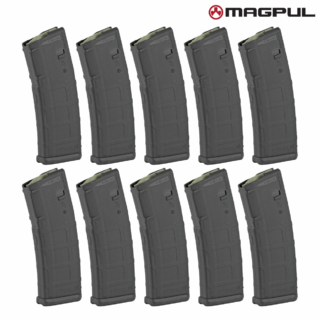 Magpul Ar-15 Gen 2 MOE Pmag 10 Pack
1347 reviews
Original price was: $129.99.$99.99Current price is: $99.99.
Magpul Ar-15 Gen 2 MOE Pmag 10 Pack
1347 reviews
Original price was: $129.99.$99.99Current price is: $99.99.

Gun Parts, Optics, Suppressors, and Misc.
Other accessories like suppressors, rifle scopes, red dots, magnifiers, and triggers have all experienced price increases since the 2020 buying frenzy. Most of that can be attributed to government policies and not necessarily election-related panic buying. That being said, elections have consequences. The 2024 election will be no different, and depending on who the winner is, the American economy will change.
Body Armor
The 2020 election also resulted in price increases for body armor. Firearms and outdoor community members have expressed a desire for body armor for political reasons and civil unrest. As we get closer to election day, I would not be surprised to see demand for body armor increase, potentially increasing once the results of the national and state elections become clear.
Buying Guide: What to Buy Before an Election
Avoiding shortages and price spikes is a paramount concern for all consumers, and members of the firearms community are no different. Planning can help you make sound financial decisions.
- Firearms: If you are concerned with gun bans that might be put into effect by the next presidential administration, you should prioritize AR-15s and other semi-automatic firearms that the gun control lobby might target as “assault weapons.” 2024 is wild because you can buy a basic entry-level AR-15 for $400, while a surplus rifle, like a Mosin-Nagant, might go for $600+.
I hate to say it, but pass on the cool surplus rifle for now and buy that semi-auto rifle you want. If you wait until February or March, you may have to overpay for one.
- Ammunition: You should focus on acquiring your most commonly used calibers. 9mm, .223/5.56 NATO and .308 will have the highest demand and will most likely experience shortages. Search for good deals on your necessary calibers and stockpiles before the prices increase to avoid the crazy high prices if they reoccur.
Magazines and Other Items/Accessories: Standard capacity magazines, potentially over ten rounds, might receive a scary description as “high-capacity” depending on election results. The prices are very reasonable currently, so stack them deep now and avoid any post-election panic buying.
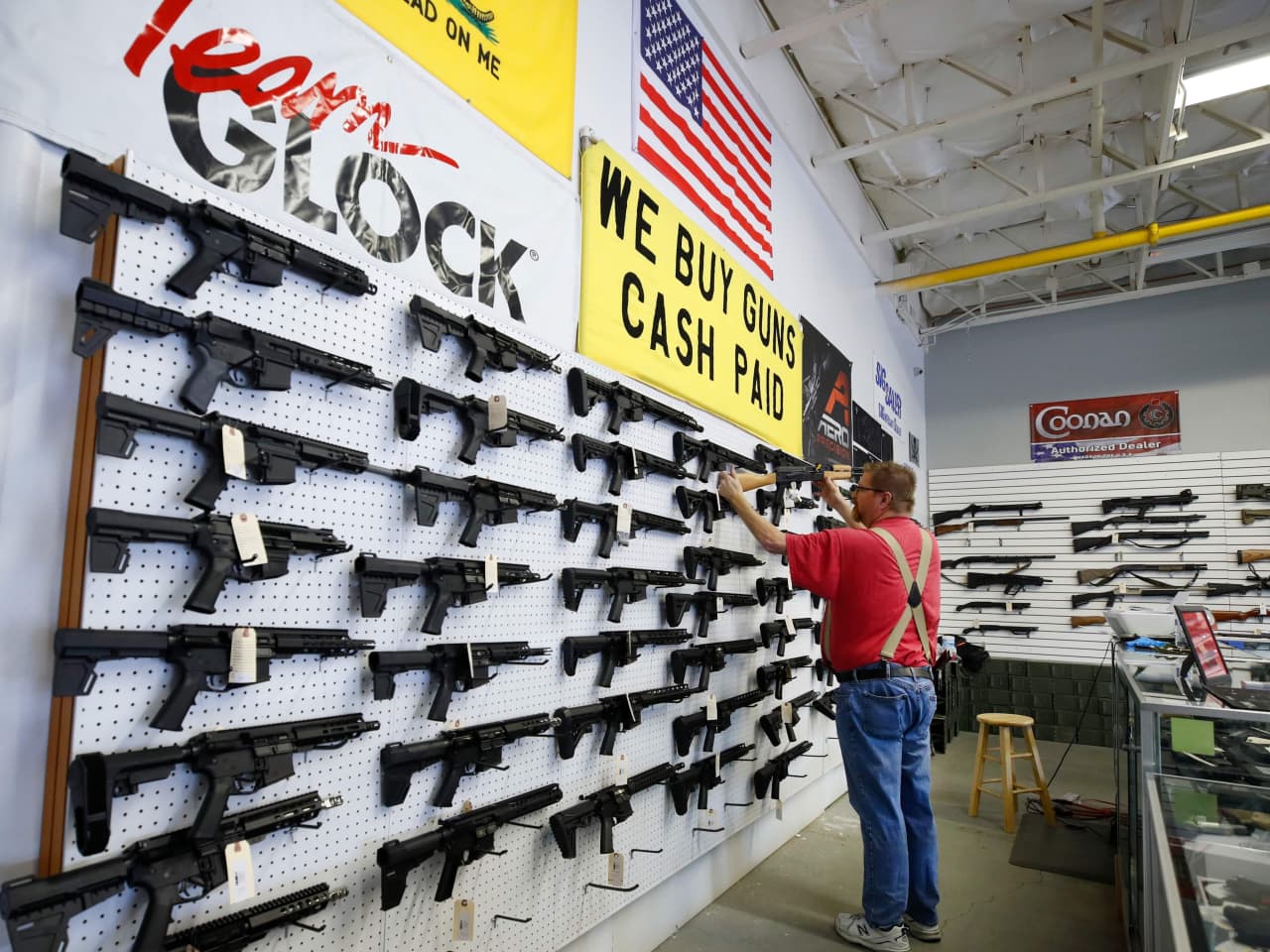
There are deals to be had at the moment. Start researching now so you can buy when the right time comes. Source
Last Words
As much as I wish it weren’t so, panic buying in the firearms markets is a well-established tradition. Driven by concerns over potential legislative changes, supply chain disruptions, and civil unrest, the firearms community sometimes loses its head and buys anything and everything that shoots.
Firearms, ammunition, and accessories are all subject to price fluctuations, sometimes significant ones. Prepare yourself ahead of time. Do your research and know when you are overpaying. Avoiding inflated prices and shortages can help alleviate purchasing stress and improve financial security.