0
Steel vs. Brass Ammo: Is The Debate Just a Marketing War?
Looking around the internet, you can find many opinions as to whether steel or brass ammunition is better than the other, or whether the differences even matter.
While there are valid arguments on both sides, it often comes down to which are real-world performance-based and which are simply hype and semantics.
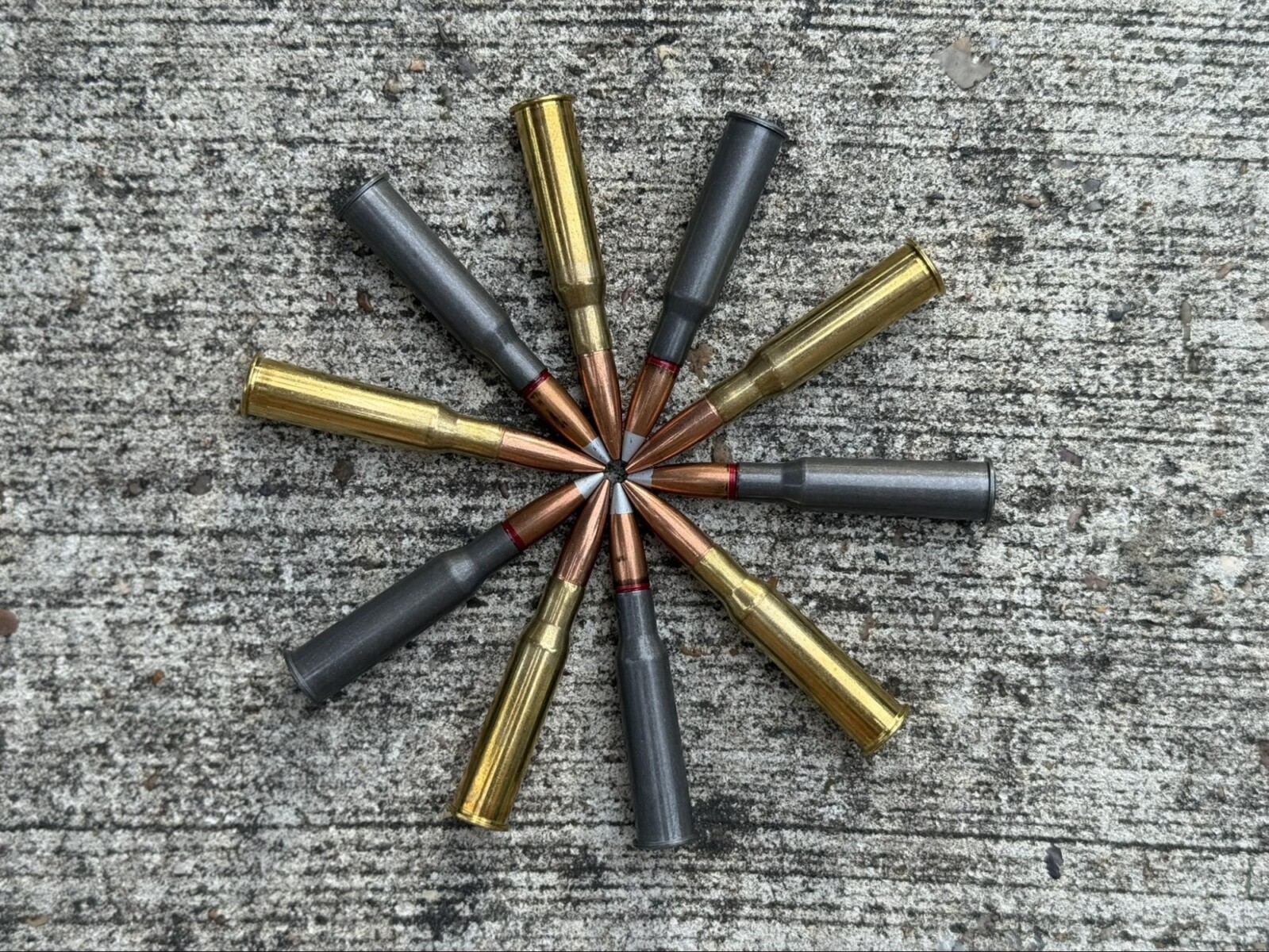
Steel cased surplus ammo with modern production brass cased ammo.
Let’s cut through the noise and get down to what actually matters and what doesn’t. If you are a new gun owner or someone who just wants clarity, this article is for you.
Brass vs. Steel: A Brief History
A chance to teach some history! Can you feel the history nerd wanting to take over?
Since the late 1800s, brass-cased ammunition has been the standard for both military and civilian use. The durability, elasticity, and corrosion resistance of brass make it ideal for use as the case for ammunition.
Steel case ammo doesn’t exist because it was a serious competitor for ammo cases initially. Necessity breeds innovation, and warfare breeds necessity. Resource shortages in both World War I and World War II led nations to produce steel-cased ammunition. German machine gunners during World War II were issued ammunition of both types, with most saving their brass-cased ammo for the most desperate situations.
This context matters. Steel ammo was not invented because it was better. It was invented because it was cheap to make in bulk. Examining firearms designed/produced during the Cold War reveals that Eastern Bloc weapons, such as AK-pattern rifles, were designed specifically to run on cheaper steel-cased ammo. To this day, ammo design and firearm design still go hand in hand. Look at the Army’s XM7/Sig Spear for an example of this recent news.
Differences That Matter
Brass is softer and more malleable than steel. This means that when you fire your gun, the brass will expand and form a tighter seal to the chamber than steel will. This reduces gas blowback, keeping your action cleaner.
And after firing, brass cases are easier to extract since brass slightly contracts after the earlier expansion. For firearms with tighter tolerances, such as the AR-15, this can make a significant difference in reliable shooting.
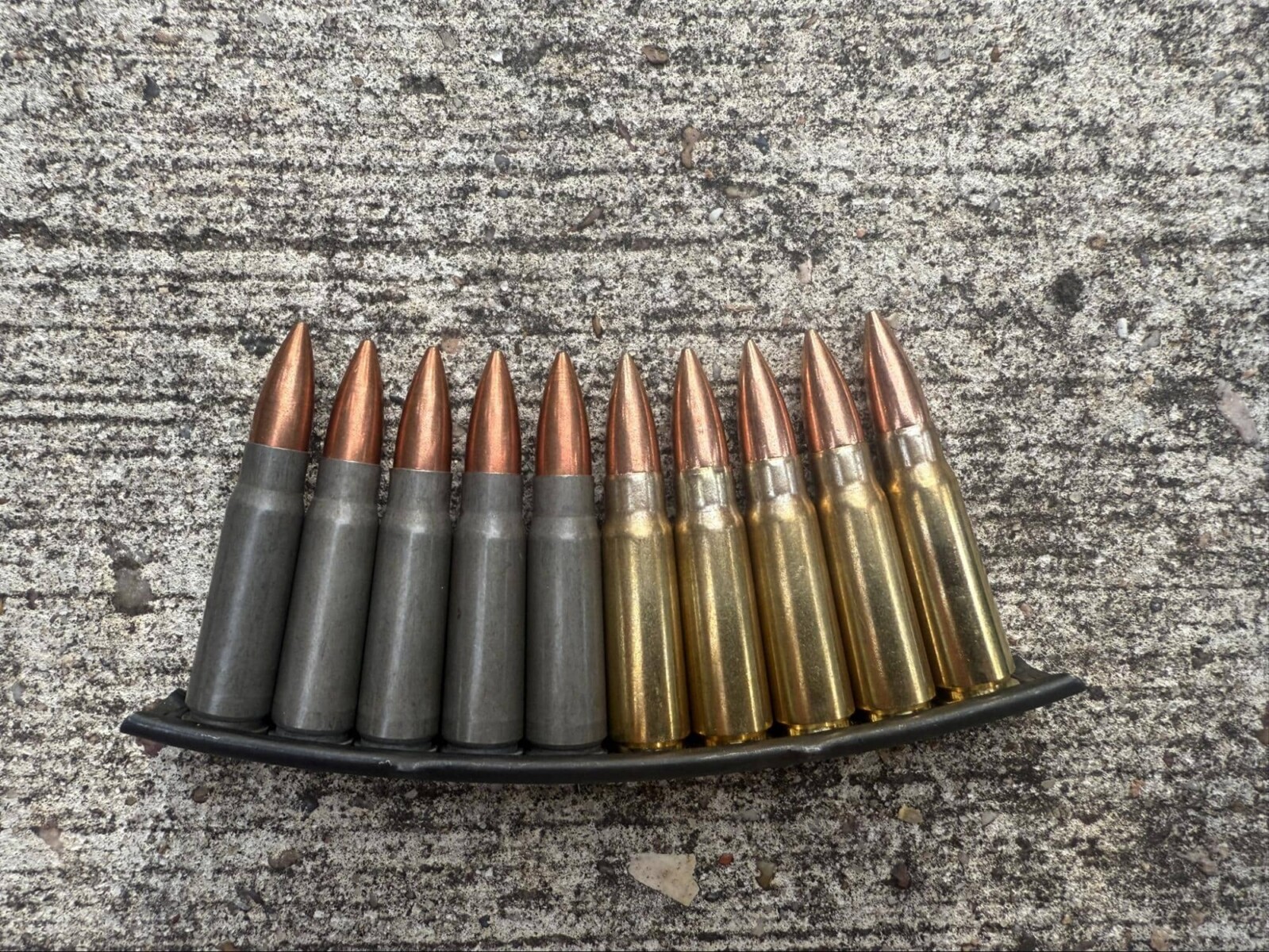
It’s not just their looks that differ.
Steel, in contrast, doesn’t expand or contract as well. This means more carbon buildup, a dirtier action, and potentially tougher extraction. Some would argue that this should immediately end the debate as to whether you should use steel-cased ammo, but it’s not that simple.
Battlefields around the world are littered with steel cases because, as I mentioned earlier, weapon design matters, and most people don’t shoot enough between cleanings of their firearms to make the drawbacks matter.
Ammo cost matters too. At your next range session, would you rather shoot 100 rounds of brass-cased ammo or 150 rounds of steel-cased?
Reliability and Fouling
In my experience, and based on what I’ve observed from my friends and other shooters, steel-cased rounds perform well in modern firearms, especially if the rifle was designed for use with steel-cased ammunition.
I have zero issue using steel cased ammo in my ARs but don’t plan on using it for anything other than a range trip with my ARs.
For my Yugo AK? Steel ammo is my usual choice for ammunition. Loose tolerances and aggressive extraction make AK-pattern rifles much more forgiving. Firearms with fluted chambers, such as HK91 clones (see rifles by PTR and Century Arms), handle steel-cased ammo very well, too.
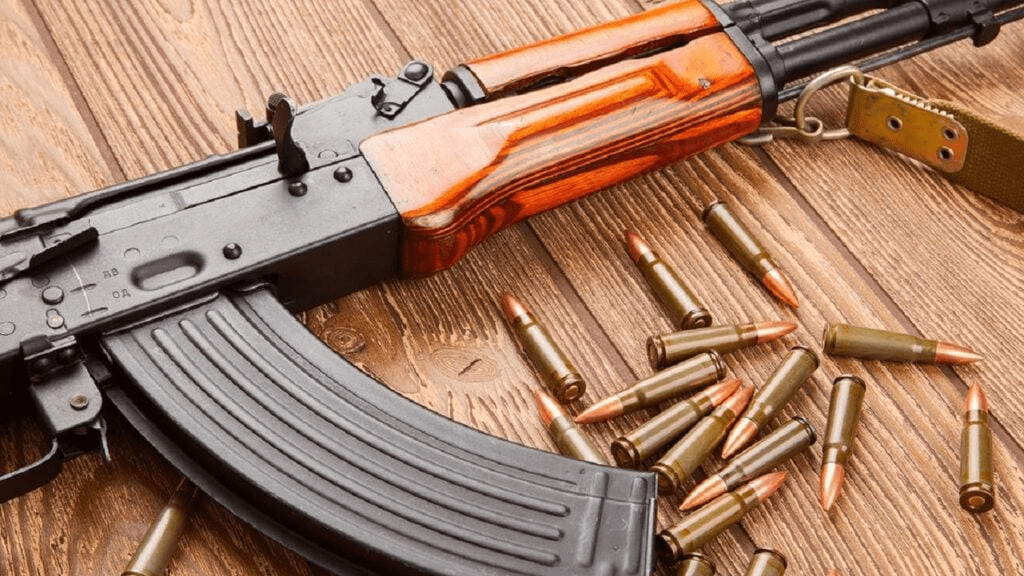
AKs are good to go with any ammo! Source
Reloading
If you are a reloader, then this debate is moot. Brass wins hands down. It’s easier to resize, holds up well over multiple firings, and modern brass ammo uses Boxer primers, which are easy to replace. If you are a reloader, you already know all this. If you plan to get into reloading, brass is the clear winner.
Steel, conversely, for the reasons listed earlier, is usually a one-and-done deal. Steel is also usually Berdan-primed, which means it is not simple to replace the primers. They aren’t worth the hassle of reloading. Steel cases are therefore priced for a single use.
I have been reloading for over a decade and have never once considered reloading steel ammunition.
Range Restrictions
Many ranges restrict the use of steel-cased ammo. It isn’t the case that the range cares about, though. The issue with steel-cased ammo is the projectile. Many steel-cased bullets use a steel-core or bi-metal projectile.
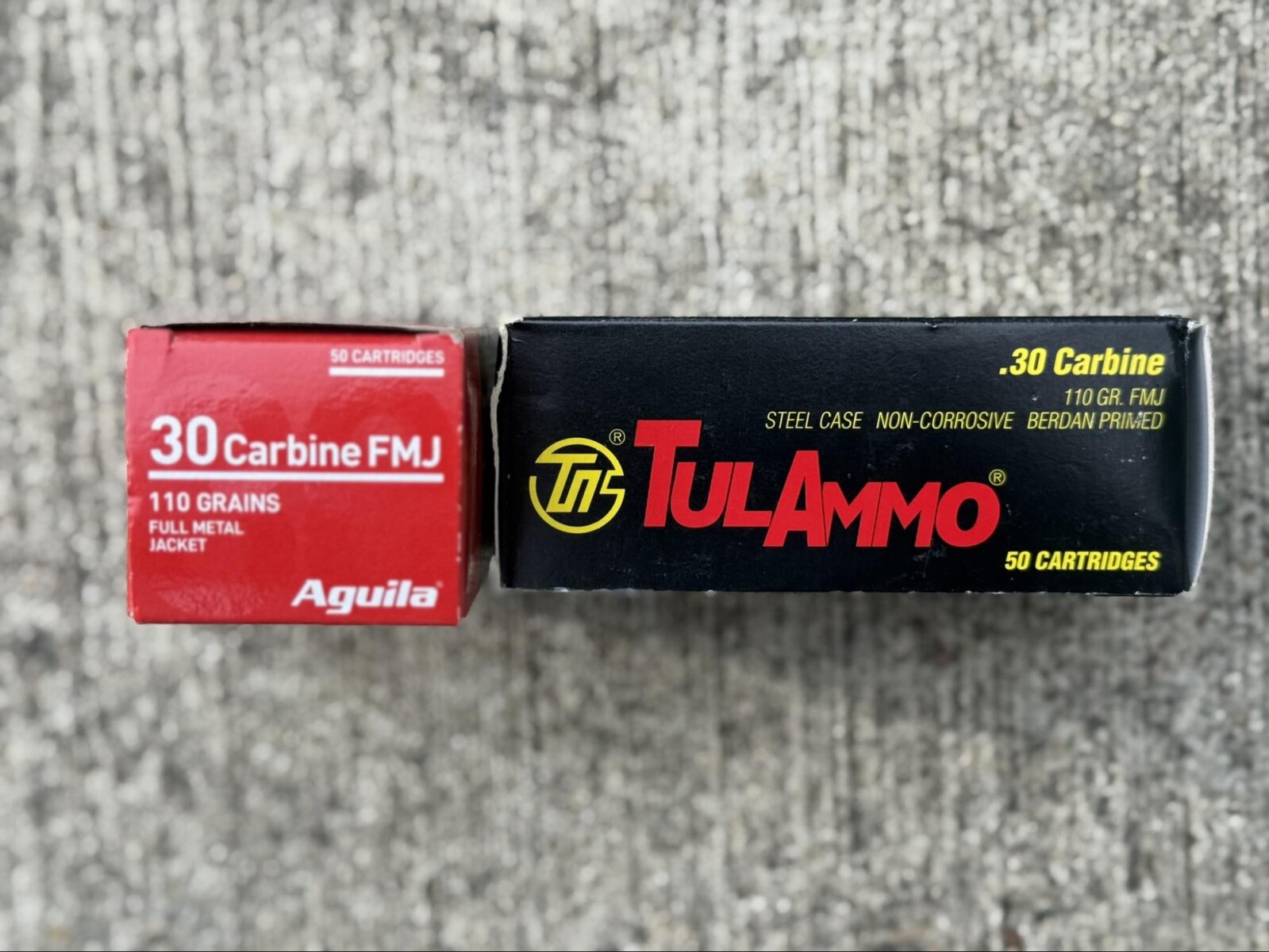
30 Carbine is probably not the first cartridge that comes to mind when you think about steel-cased ammo.
The harder nature of these bullets damages backstops and pit steel plates, causing headaches for ranges. However, not all steel-cased ammo uses bi-metal bullets, but it is easier for ranges to blanket restrict the ammo than to decide on a case-by-case basis.
Firearm Wear
One of the common refrains about steel-cased ammo, from detractors, is that it wears out your gun. The truth? It depends.
The steel used in cases is mild and softer than the internals of your rifle, but the bi-metal jackets on the bullets can wear out your rifle’s barrel faster than a traditional copper jacket round. That said, unless you are a competitive shooter who shoots thousands of rounds through your firearms every year, you probably won’t shoot enough to notice the difference in wear.
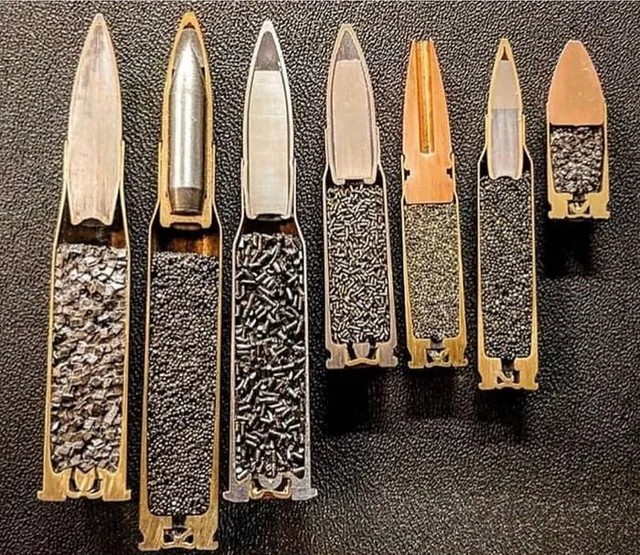
Right to left: 9MM, 5.56×45 NATO, .300 Blackout, 7.62×39, 7.62x54r, .30-06, 8x56R source
Extractors are where you will witness steel-cased ammo wearing on your rifle. Again, unless you are shooting impressive amounts of ammunition every month or year, you probably won’t notice the difference. If you are shooting that much, it’s more of a maintenance consideration.
Which Should You Choose?
Brass is the better choice by every factor except one: price. Brass is cleaner, has fewer issues with extraction, and is reloadable.
Shooting a firearm with tighter tolerances or doing precision shooting? Stick with brass-cased ammo.
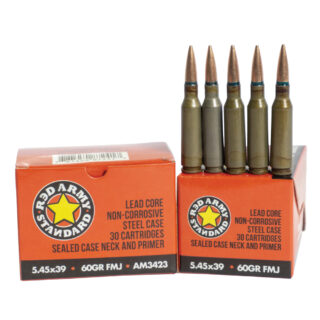
Steel has one significant advantage: it saves you a substantial amount of money, especially when using the proper firearms. Additionally, some ammo types are tough to obtain, especially those with brass casings. My last bulk purchase of 5.45×39 ammunition, before the Ukraine war started, was steel-cased, and I don’t think I could have even purchased brass-cased ammo in bulk at that time.

Last Words
Brass vs. steel-cased ammo isn’t really about which is better. That is pretty clearly brass ammo. It is more of a debate about what is best for you and your use cases.
I have shot steel cased ammo in firearms ranging from Glocks, to ARs, to AKs, to surplus rifles, and just about everything in between. I don’t mind it. It has its place in my collection. When reliability and performance matter, I am going with brass every single time.
Figure out your goals, figure out what you can afford, match them with your gun, and get out there and train!