0
The Importance of Maintaining Your Firearm’s Magazines
If I were to ask you to name one of the most common components that can cause a firearm to fail, many people would overlook the firearm’s magazine. Yet, magazines are one of, if not the most common, reasons.
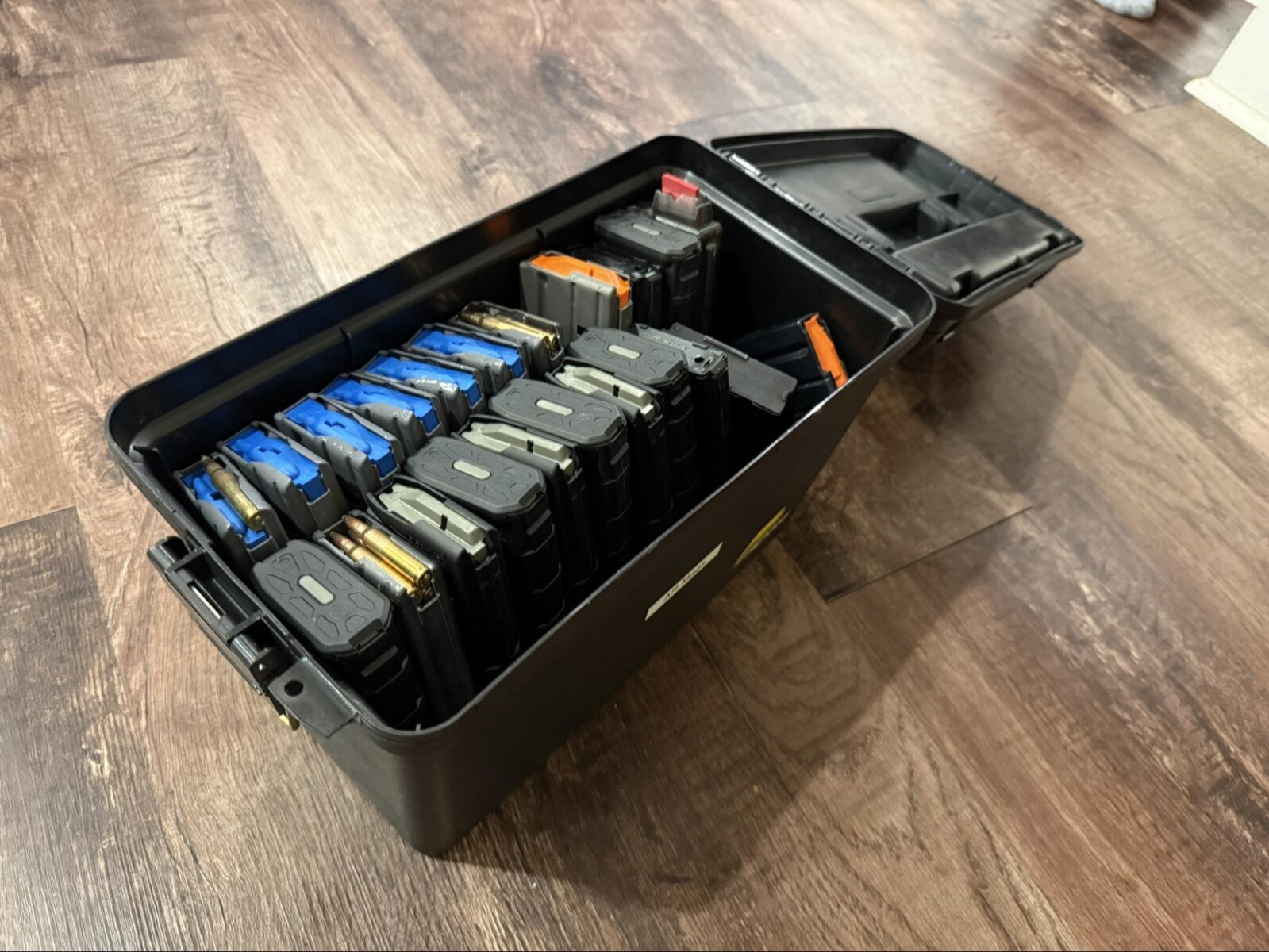
Proper storage can help extend the magazine’s life.
Experienced shooters and gun enthusiasts will tell you that your firearm is only as reliable as its magazines. Whether you are “only” running drills on the range, setting up for a defensive purpose, or storing your gear between trips to the range, maintaining your magazines and ensuring they are functioning optimally is essential.
An Overlooked Aspect of Firearm Maintenance
When cleaning their guns, gun owners tend to focus on the barrel and the slide. Meanwhile, the magazines, responsible for feeding every single round into the gun, are often overlooked.
The feed lips can bend or break. The spring can wear out, weaken, or fail. The follower can become misaligned and stick. The magazine floorplate or body can get bent or cracked. No matter what goes wrong, a magazine failure that results in a failure of your firearm can be disastrous.
At the end of the day, magazines are consumables. Treat them right, and they will last longer; however, the reality is that no magazine lasts forever.
Cleaning Your Magazines
How Often Should You Clean?
There is no universal answer to this question. I have some magazines that I’ve used for thousands of rounds and never cleaned, while others I clean after every range trip.
If your magazines are reserved for strictly range use, you can often get by with less cleaning. On the other hand, if you have magazines that you rely on for concealed carry or home defense, they should be inspected and cleaned regularly.
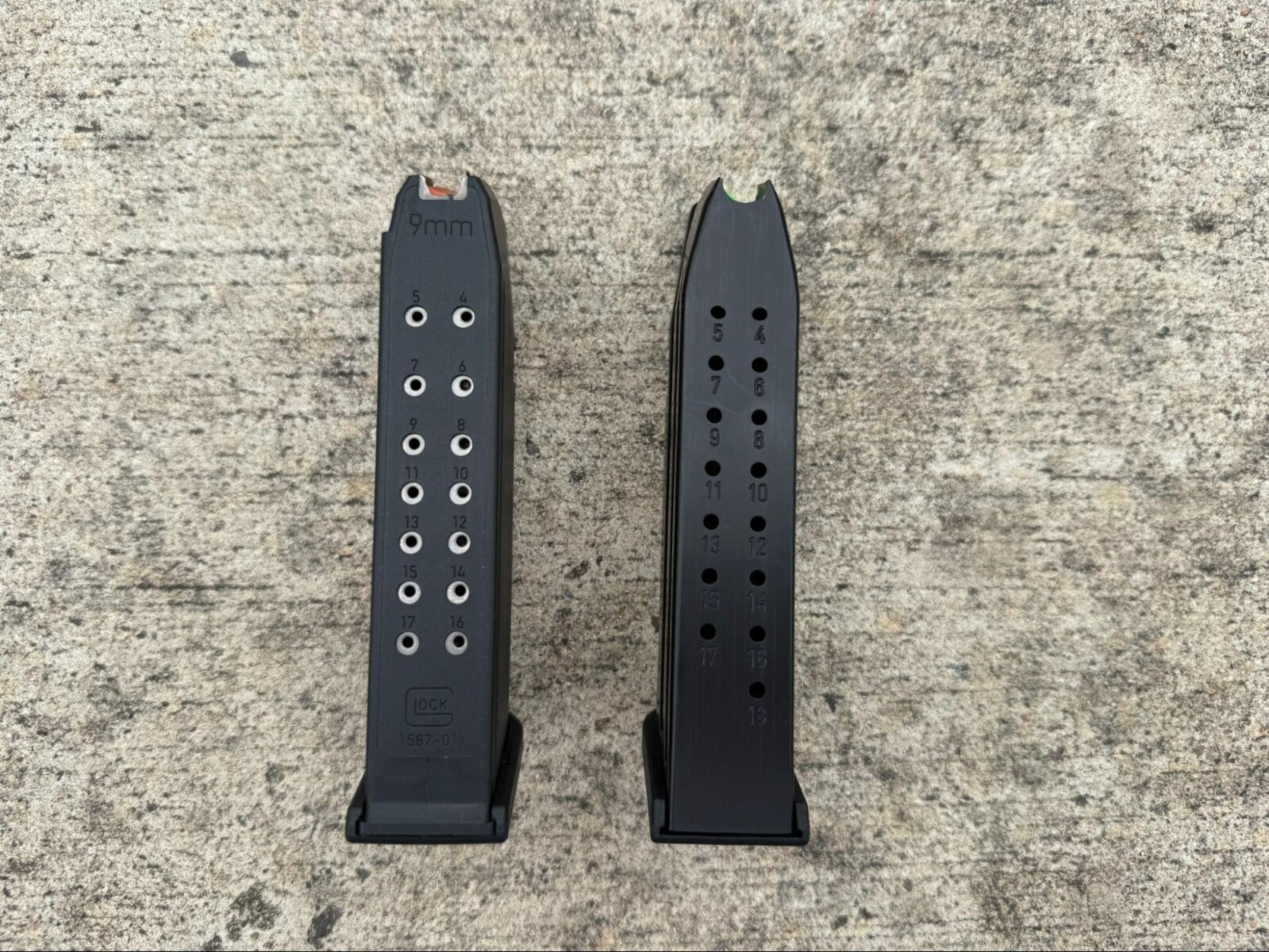
Your magazine can look clean on the outside, but still not function. It’s important to inspect them fully.
You’ll also want to clean them more or less frequently, based on your environment, how often you use them, and whether they are dropped into mud or gravel, which could inhibit their function. Use your best discretion, but always pay close attention!
Disassembly Tips
Many magazines can be disassembled by removing the baseplate and carefully removing the spring and follower. The springs in your magazine are under pressure, and there is always the possibility they could uncoil.
Be careful to both protect yourself, especially your eyes, and keep all the parts from flying out and losing pieces. Some magazines, such as OEM Glock mags, benefit from the use of a specific tool or procedure to remove the baseplate. The last time I disassembled a Glock magazine, I did not use a tool and definitely regretted it.
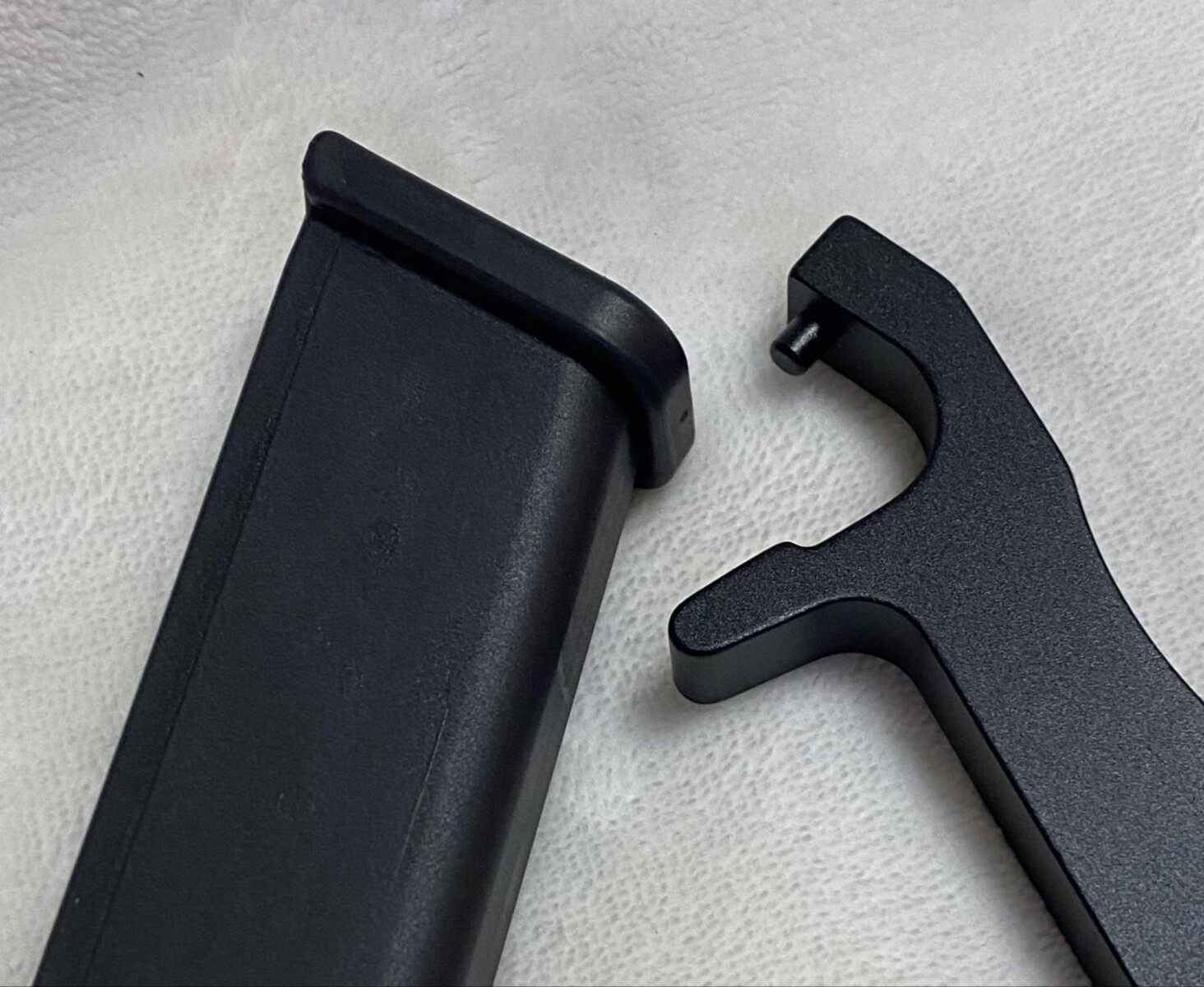
Trust me, the tool makes all the difference. Source
Numerous videos and other resources are available that demonstrate exactly how to disassemble your magazines. A few minutes of education can go a long way in ensuring you have a stress-free disassembly experience.
What to Inspect
During your disassembly and cleaning, be sure to check the following:
- Feed lips: look for cracks, chips, warping, and dents. Anything that would compromise feeding.
- Spring: Check to ensure your springs return forcefully and evenly.
- Follower: Should glide without sticking and, depending on the type of follow, without tilting.
- Body: Looks for dents, cracks, and drag spots that may cause feeding issues.
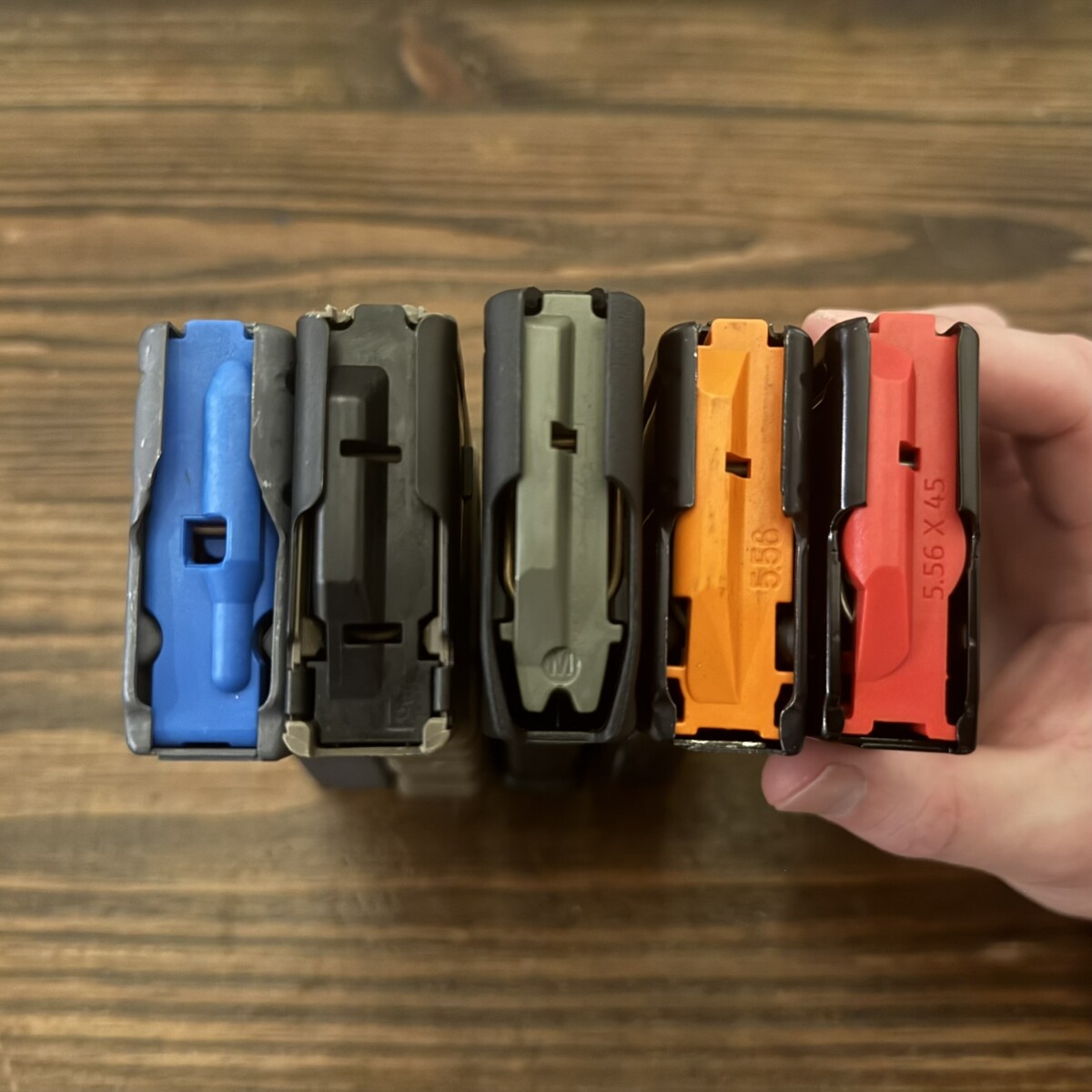
Followers and springs are common failure points.
Tools and Supplies
- Dry clothes or paper towels
- A nylon brush or an old toothbrush
- Cotton swabs
- Solvent (CLP, Ballistol, or similar products)
- Avoid harsh solvents with polymer magazines
Avoid using lubricants inside the mag body, as they can attract debris and cause failures. A light coat of oil on the exterior of a metal mag can help prevent rust, but nowhere else should be oiled. Never oil polymer magazines.
Storage: Loaded, Unloaded, and Everything In Between
Spring Fatigue Myth
A persistent myth surrounding firearm magazines is that storing them loaded weakens the spring. Modern firearm springs wear out from repeated compression and decompression, not sustained compression. Considering this is precisely what your magazines should be doing regularly, accept it, learn from it, and rotate your carry magazines every few months.
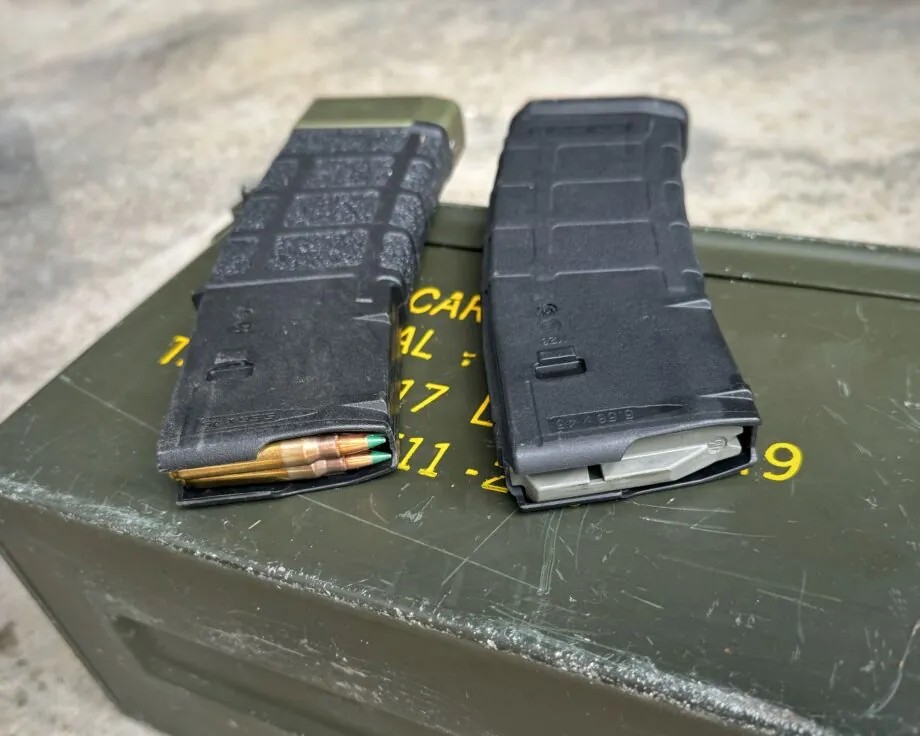
Loaded vs. empty – which do you choose?
Storage Best Practices
Humidity, UV light, and temperature are three key environmental factors to consider when storing your magazines. Each of these factors can be mitigated by using desiccant packs or other means to handle humidity. Generally, protecting your polymer magazines from UV light is an easy task, and it’s best to avoid leaving them in a hot car in the summer or in any other place where extreme heat could cause the magazines to warp.
Storage Solutions
There are lots of ways to store your magazines when not in use. Ammo cans, MTM storage containers, and 3D-printed or commercial mounts are all popular options. One practice worth considering is using a paint pen or label to track specific magazines, allowing you to determine how long they have been in rotation and ensuring proper maintenance.
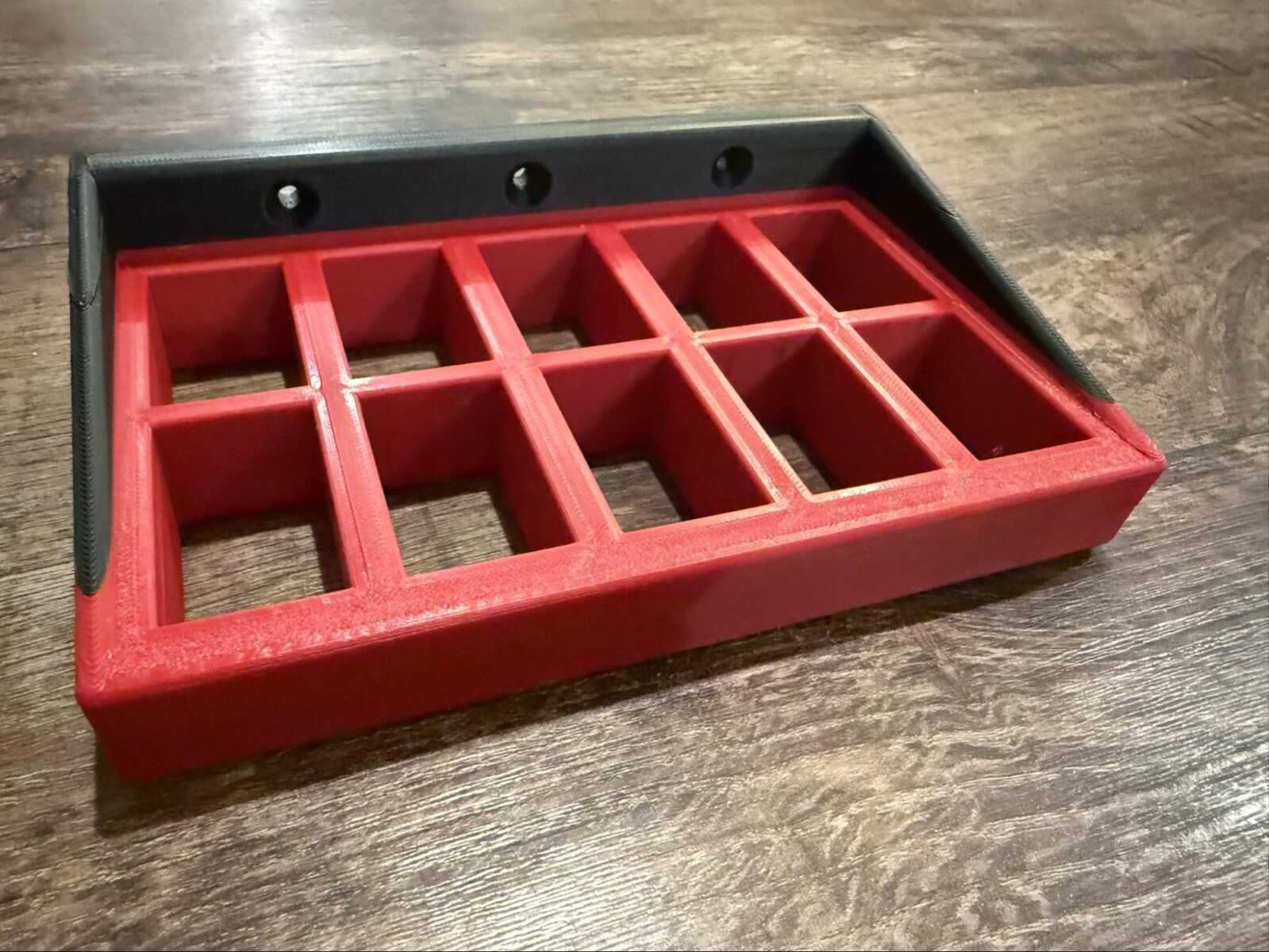
3D printed mag holder for Scorpion-style magazines.
Another piece of advice I have received over the years is to keep your duty and training magazines separate, especially if you are hard on your magazines in training.
For more tips, check out our other article, “Storage Methods for Your Magazines.”
Testing and Replacement
Don’t wait for a malfunction before you replace a magazine. Here are some ways to test your magazines.
Tests
- Manual cycle test: Load the mag and hand-cycle the slide. This is best performed with snap caps or dummy rounds. If you use live ammunition, ensure you do it safely.
- Half-load drop test: Load 5-10 rounds and drop the mag base-first onto a hard surface. If rounds eject, it could be an example of a magazine whose feed lips are damaged or worn.
- Live fire test: run your defensive ammo through each magazine. Failures are a warning sign.
If your magazine fails any of these tests, it’s likely time to replace it or downgrade it to a strictly range magazine. That being said, magazines are consumables. Every single magazine you own will eventually wear out due to use.
Training Accelerates Magazine Wear
Worn magazines are an example of putting in time at the range and building your skills. Be prepared for the inevitable wear and tear.
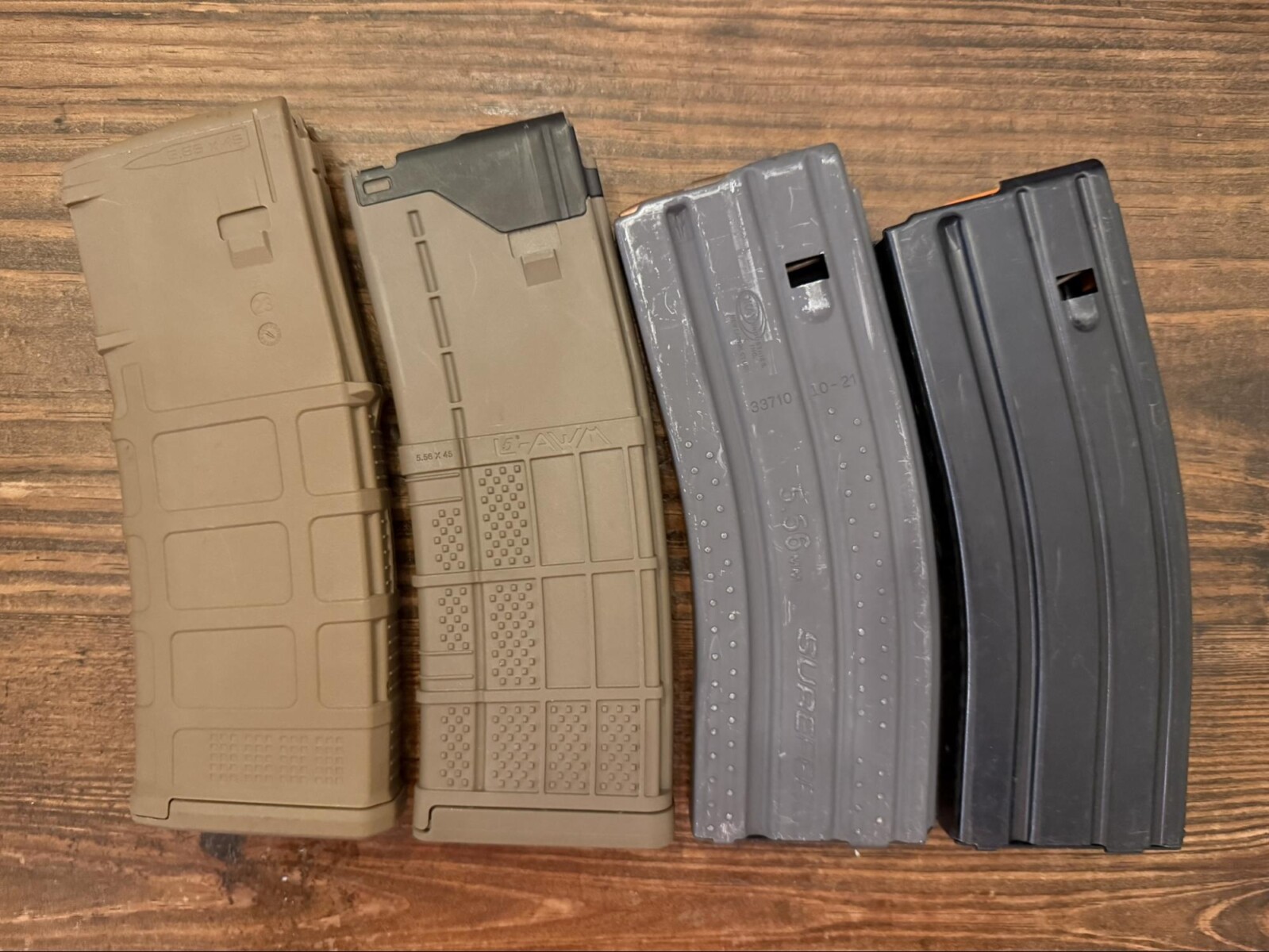
You can tell that some have been used more than others.
Dedicated training mags help to ensure your carry or duty magazines are in the best shape possible when it matters most.
Mark your training magazines clearly. If a magazine appears to be in good shape but fails, don’t discard it. Move it to the training pile and let it keep doing good work.
Last Words
Magazine maintenance isn’t complicated, but it is frequently overlooked. Whether you carry daily, are a competitive shooter, or just a weekend warrior when you have the time, proper magazine care is critical. Clean your magazines, protect them from heat and humidity during storage, test them thoroughly before use, and replace them when they fail.
Paying your magazines attention is simple and will pay dividends when it matters. Also, stack them deep!