0
8 Things Every Hunter Should Do Before Opening Day
Opening day can have a way of sneaking up on you. One week, you are sweating your butt off, wishing for the cool of fall, while mowing your lawn. The next minute, your hunting trip is just a week away, and you realize you haven’t obtained your hunting license for the year yet. I wish I could say this wasn’t me, but it was a couple of years ago.
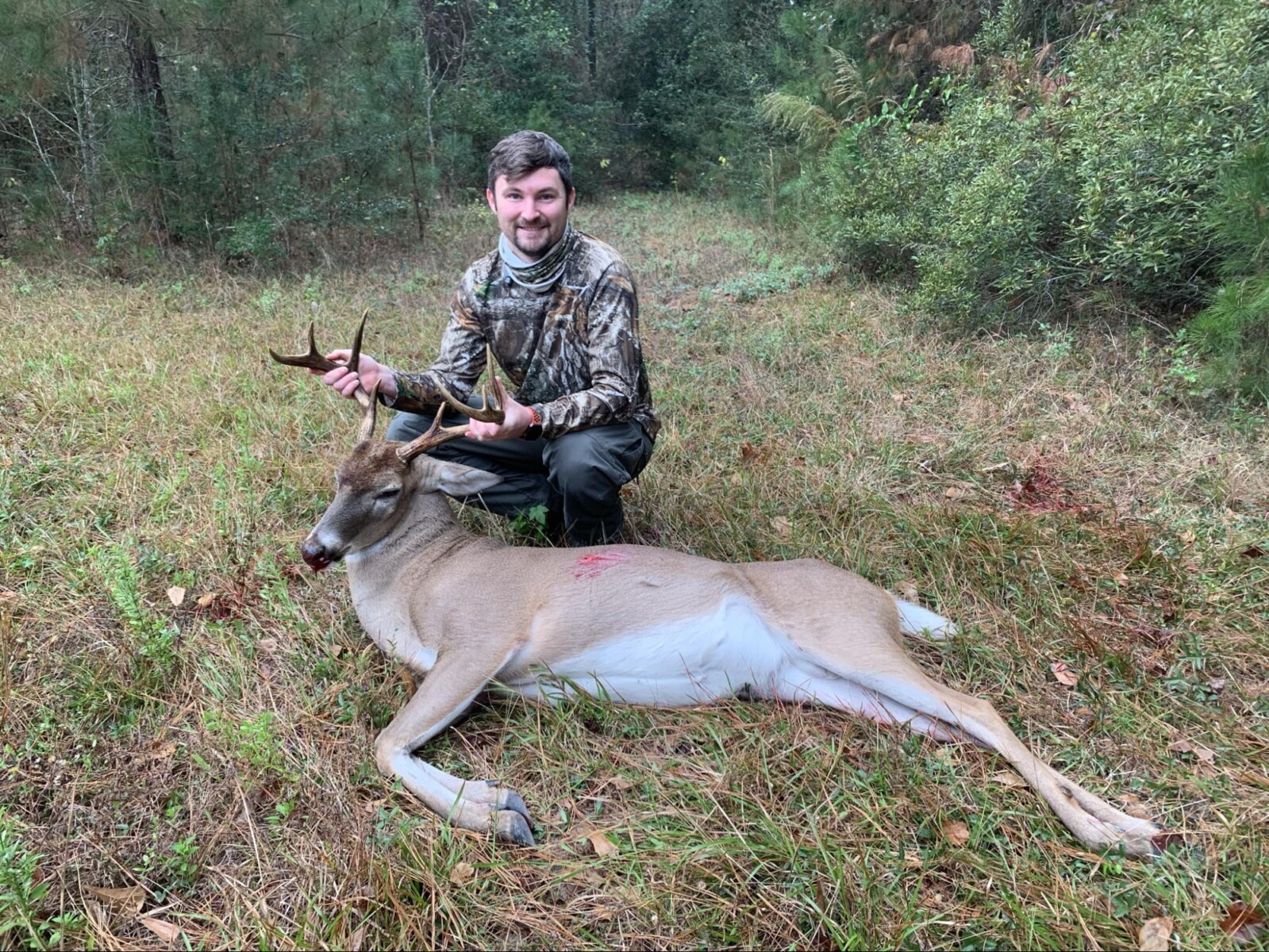
Don’t miss out on your season.
For hunters, the final days before the opening of a season can make or break your hunt. Prep work isn’t glamorous and can even be arduous, but once you hit the field and the weather is perfect, you get to see the payoff.
Most of these tips are geared towards deer season; however, they’ll still help waterfowlers and upland bird hunters step into the season with confidence.
Get Your Licenses and Tags Squared Away
There’s nothing glamorous about paperwork, but every season, a hunter shows up on opening morning without the proper license or tag. If they are lucky, they can make a mad dash to a nearby store that is actually open and selling licenses. A worse, but far too common outcome is that they have to sit the day out.
Take a quiet evening, log in to your state’s wildlife agency website, and ensure you’re covered. That means your general hunting license, any species-specific tags, and, if you’re after waterfowl, your state and federal duck stamps.
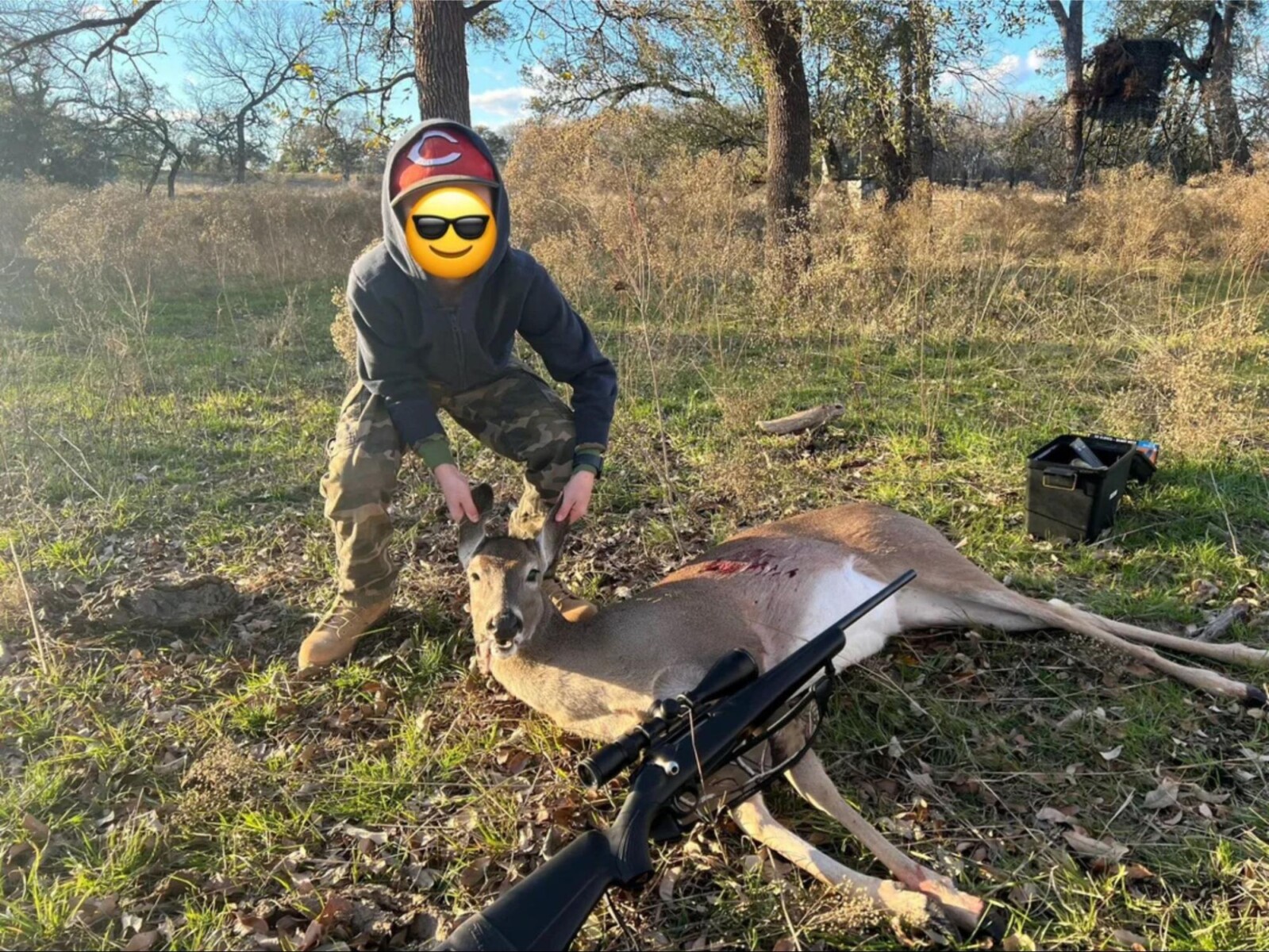
Forgetting to get licenses would have robbed my sons and me of the experience of hunting together.
I have thankfully never had to sit out a hunt, but a few years ago, in my first year taking my sons, I waited longer than I should have to obtain our licenses. It all worked out, but I learned my lesson. I now order them online as soon as possible.
Rules change from year to year and even change from county to county. Do yourself a favor and take a moment to read the updated regulations. A quick scan can save you from an expensive fine or a ruined hunt.
Confirm Your Zero or Pattern Your Shotgun
Last season, your rifle was dead on and enabled you to make a good shot, harvesting an animal. But time, travel, and temperature changes can all nudge things out of alignment. There’s no substitute for range time before the season starts.
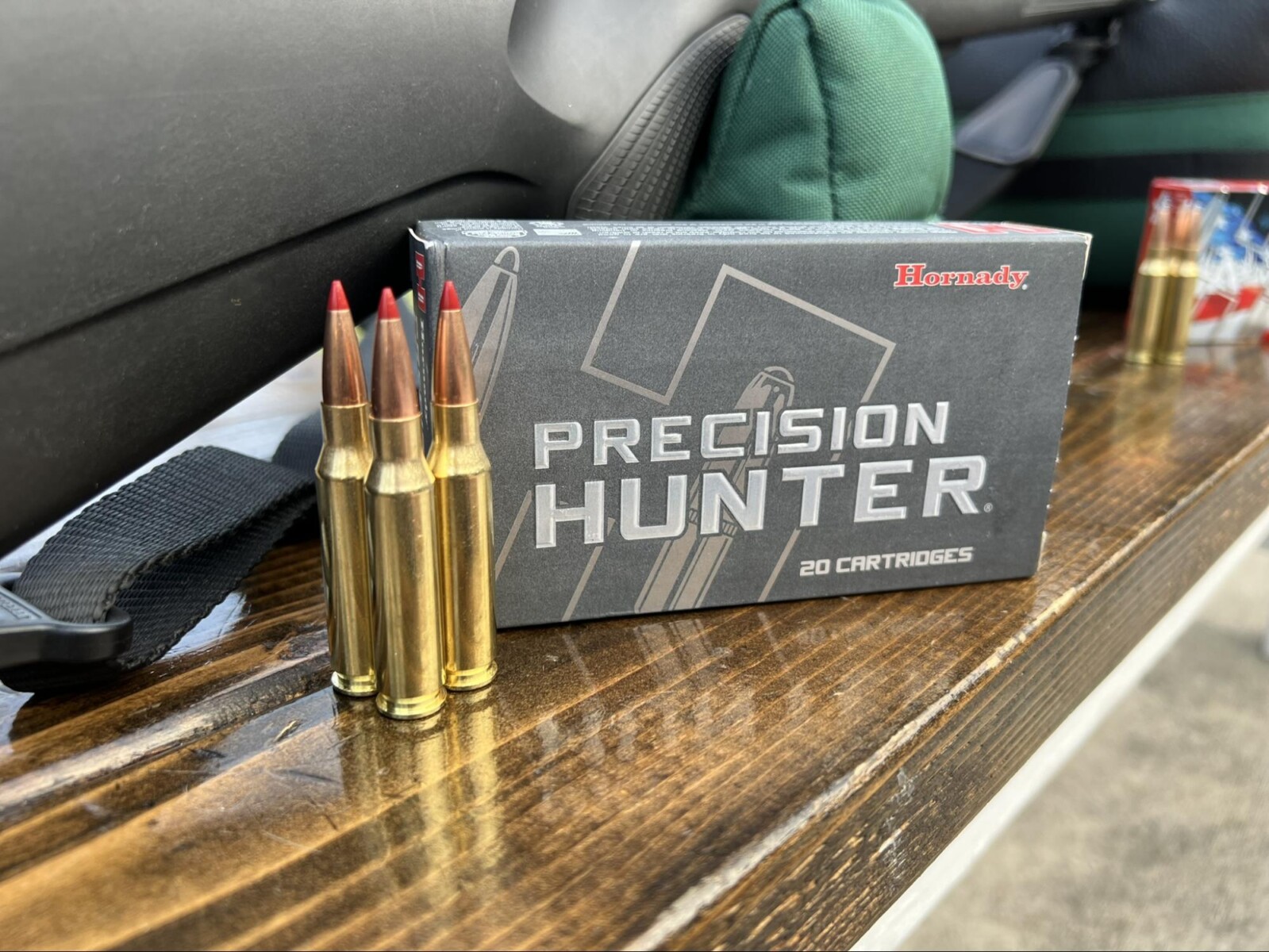
My preferred hunting ammo is Hornady Precision Hunter.
For rifle hunters, this means confirming your zero with the exact ammunition you plan to use for hunting. Spending extra cash, in this economy, on expensive hunting ammo can feel like a waste, but you need to do it. I re-zero all of my hunting rifles every season.
Hornady Precision Hunter is my go-to round these days, and beyond making sure the rifle is zeroed, I make sure myself and each of my kids has had enough trigger time to be prepared. You don’t want THAT buck to walk away because you decided to switch loads at the last minute without re-checking their point of impact.

Give Your Gear a Once-Over
Gear wears out. Whether it is the batteries in your range finder or your favorite coat getting a tear in the cuff, that is going to annoy you endlessly and distract you. Check your gear before heading out to ensure you are ready to go.
A couple of weeks before the season or your next hunt, lay out your gear on a table and go through it piece by piece. Jackets, gloves, boots, and packs get inspected for wear. Electronics get fresh batteries if they have been heavily used or if it has been more than 10 months.
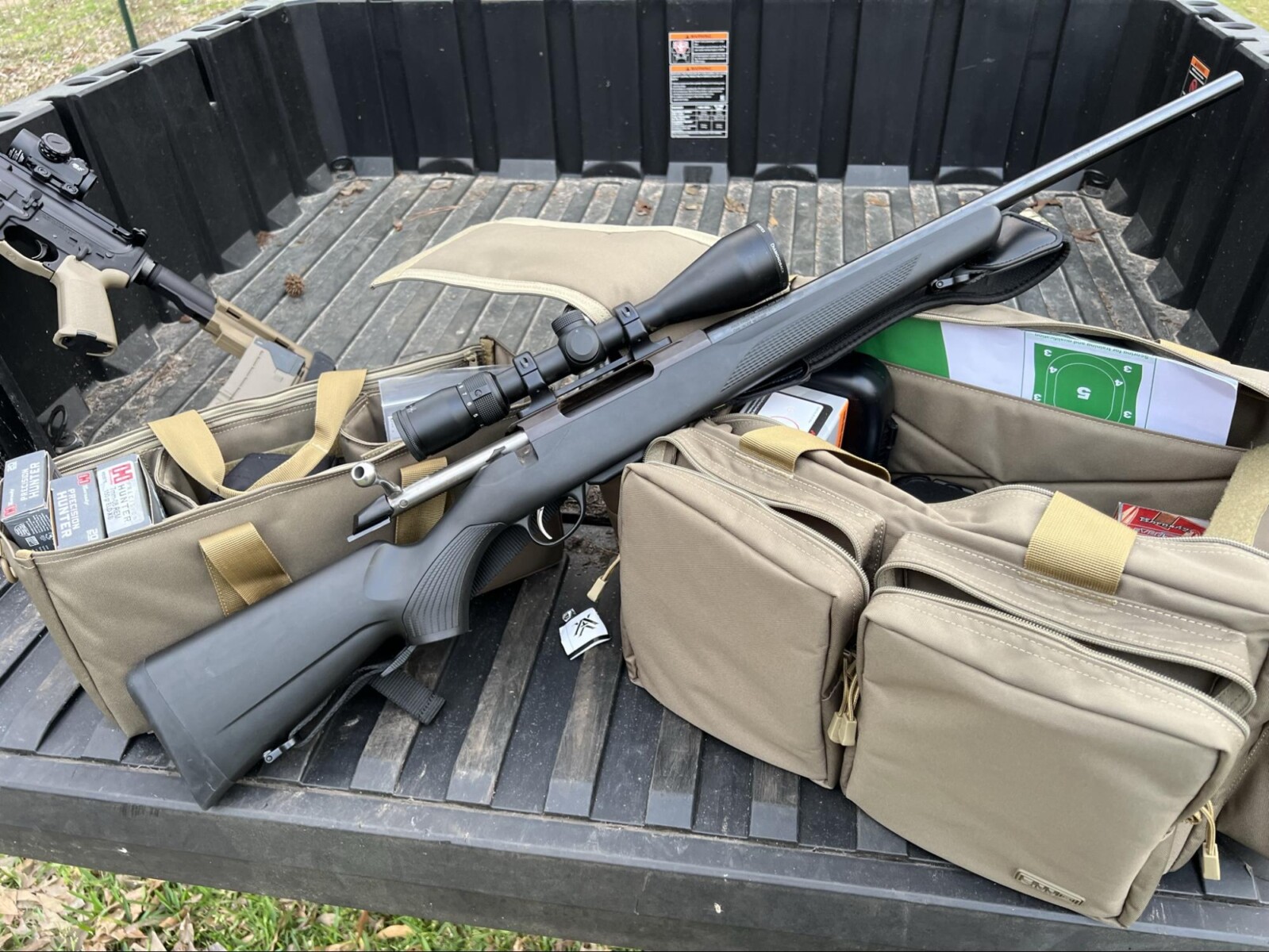
You may not use a full-range bag; I usually don’t, but having the right bag with the right gear is a must, even if you leave the full bag at your camp.
Firearms get special attention. Check your magazines for proper function, ensure optics are tight, and confirm that slings and mounts are secure. It’s incredible how a season’s worth of hard use can loosen screws or wear springs. A few weeks before the hunt is also the time to grab any replacement magazines or accessories, so you’re not scrambling at the last minute.
Scout and Set Trail Cameras
If you hunt deer, your pre-season scouting can be the single biggest factor in whether you see deer on opening day. On my own property, I run cameras year-round. If it is on a lease, I like to set my trail cameras a few weeks before the season, focusing on travel corridors, food sources, and water. The goal isn’t just to see what’s out there; it’s to understand when they’re moving.
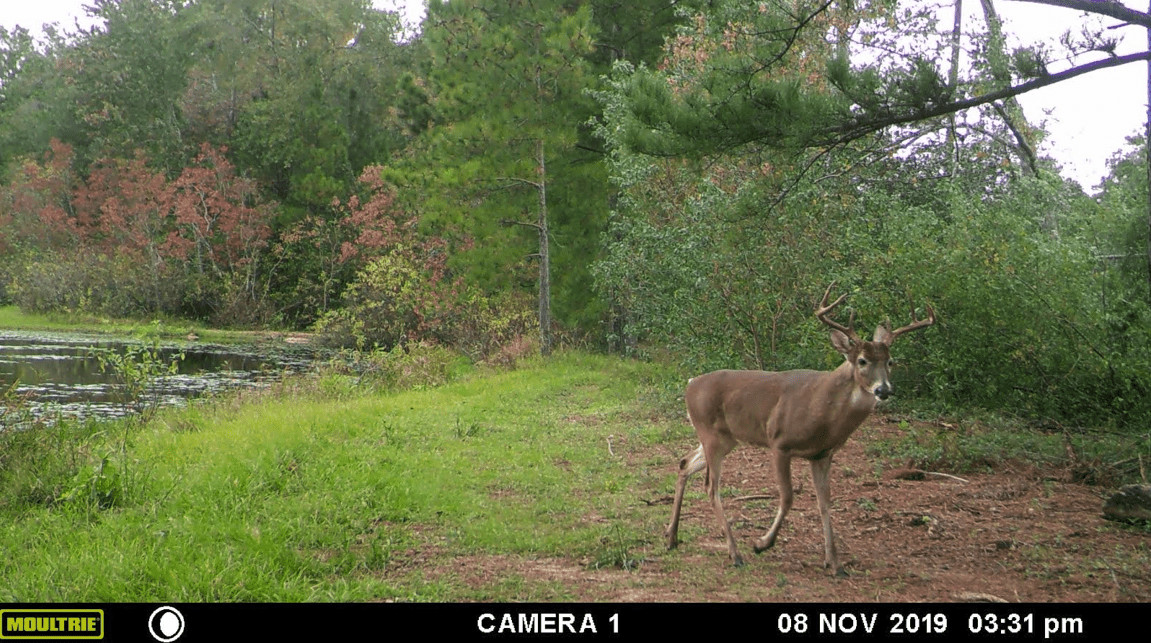
A well-placed trail cam goes a long way to helping you know animals are on your land.
The same principle applies to other game. Waterfowlers should be checking feeding and roosting areas, and upland hunters can walk cover to see where birds are flushing. The key is to gather intel without disturbing your hunting spot more than necessary.
Prep the Hunting Location
A well-placed stand or blind is only as good as its shooting lanes. Days or weeks before the season, depending on your particular environment, head out with pruning shears and a small saw to clear any branches or brush that could throw off a shot. If hunting from a blind or stand, set it well before opening day so it blends in and doesn’t spook game. I have a ladder stand that I leave up year-round, and have hunted in stands that have stood in their exact locations for decades.
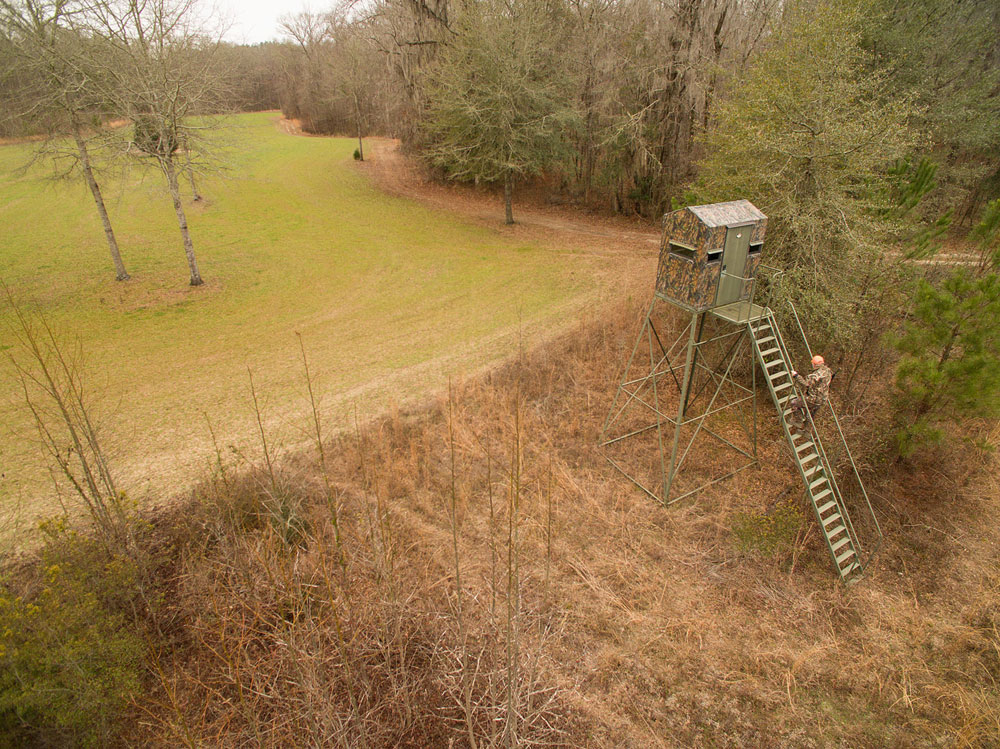
Location, location, location. Source
Waterfowlers can take the same approach. Brush blinds early, check decoys for tangles or broken lines, and make sure boats or layouts are ready to go. The less work you have to do opening morning, the more time you can spend actually hunting.
Organize Your Pack
A disorganized pack is a silent hunt killer. Before the season starts, I go through my pack and ensure the essentials are easily accessible, ammo is in its place, and a knife is within reach.
The first time you have to dig through three layers of gear to find your knife, you’ll wish you had taken ten minutes to get organized. The last time I went hunting, I arrived at my stand to realize I had left my ear protection in the truck. I regretted my life choices as soon as the trigger was pulled.
Additionally, be prepared for the weather to turn even if the forecast looks clear. Being comfortable in the field means you can stay longer, and staying longer often means filling a tag.
Have a Game Recovery Plan
It’s easy to get caught up in the excitement of the shot and forget that the hard work begins afterward. I once shot a deer and a hog, only to then realize the ground was too muddy to get my truck in to haul the animals out. I was in for a long walk with a jury-rigged travois. Thankfully, I had a good friend with me to help me get the animals out.
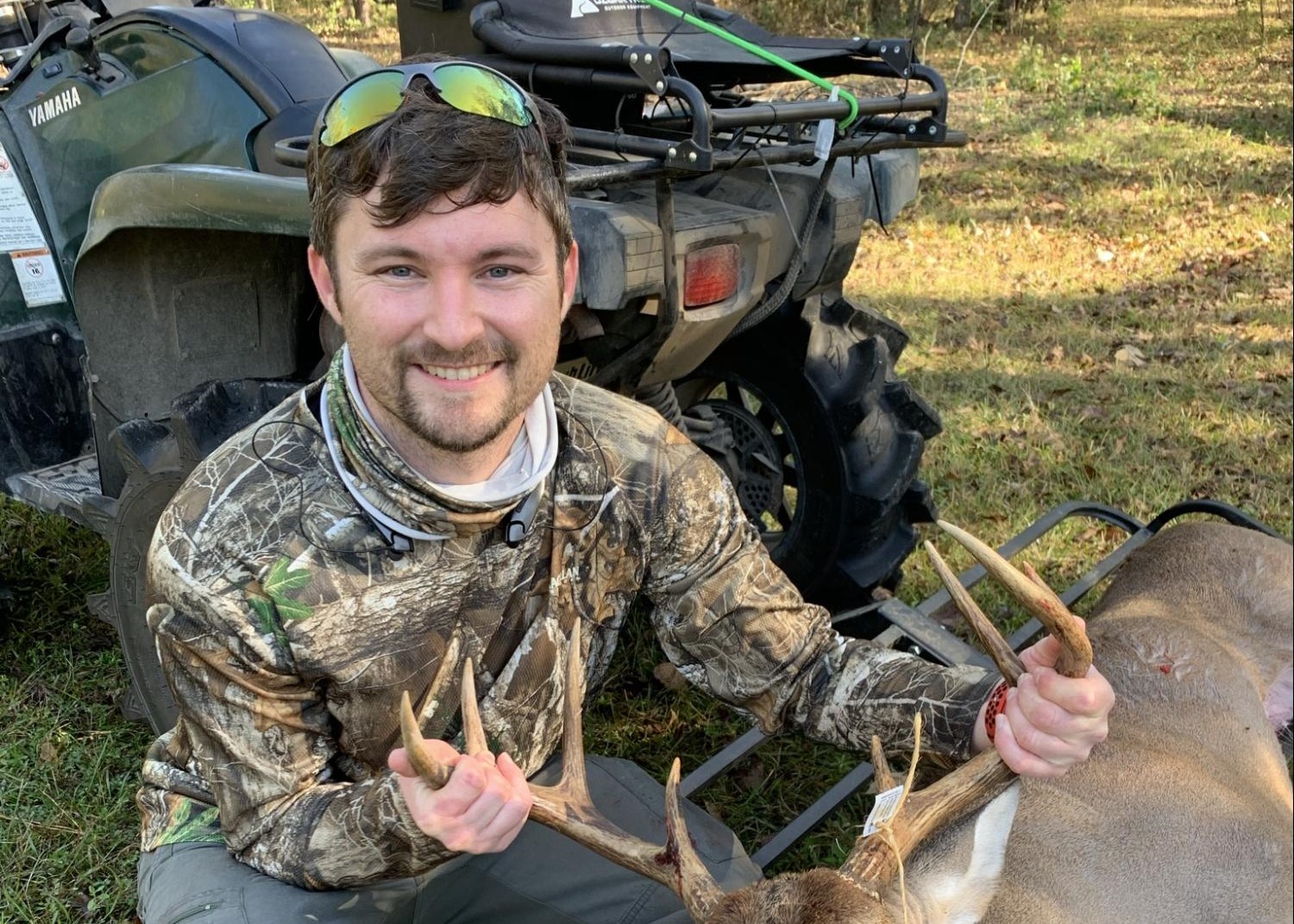
Know how you plan to get your animal out of the woods.
Watch the Weather and Wind
A weather app is one of the most valuable tools you can have as a hunter. Deer often move ahead of storms, ducks respond to wind shifts, and upland birds can be easier to pin down after a frost. I start checking the forecast daily at least a week before any hunt, not just for rain but for wind direction.
Last Words
Hunting opportunities can be few and far between. Whether you are going out on opening day or just your first hunt of the season, no one wants to waste it chasing gear problems, license issues, or unscouted ground. Taking the time to organize your paperwork, gear, firearm, and hunting spot will make you calmer, more confident, and far more effective when it counts.
The preparation you do now will pay off in those quiet moments before the shot.