0
Using PPE Properly When Shooting: The Less Appealing Conversation
Using personal protective equipment (PPE) is not the most popular conversation in the gun industry. Go to the range on any given day of the week, and let me know how many shooters you hear excitedly talking about ear and eye protection.
Chances are, you won’t hear any.
Whether you are new to the gun industry or not, many safety precautions are standard and should always be practiced.
But you’d be surprised. I’ve seen and heard of many instances where proper PPE is not used, and things have gone south. I’ve also seen shooters only moments away from real danger.
So, let’s chat about PPE and why it’s so important.
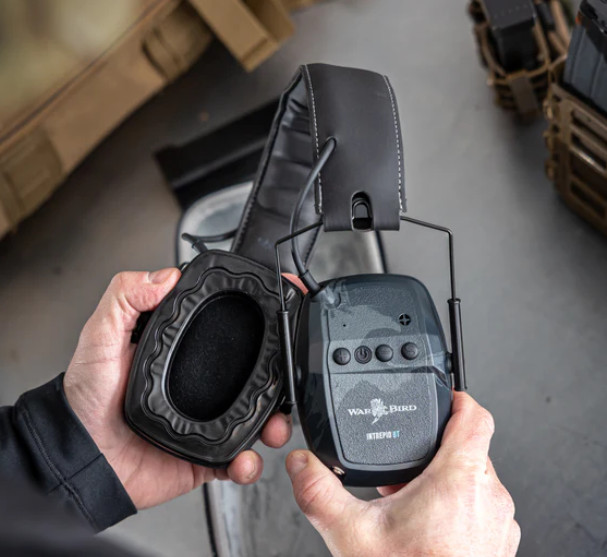
You never want to make the mistake of forgetting ear protection. Source: warbird
What Is Personal Protective Equipment?
PPE is what you wear to ensure you don’t injure yourself or put yourself in unnecessary danger while pursuing your goal of becoming a better shooter.
These types of gear can differ depending on the shooting you’ll be doing that specific day.
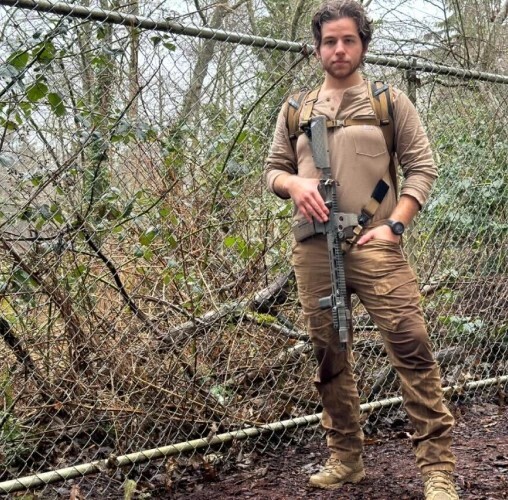
While knee pads may not be necessary at an indoor range, having them in the woods when larping around is best practice unless you want knee pain in your late 20s. Just thinking about it hurts my left knee.
But the main list of PPE is as follows:
- Ballistic Rated Glasses
- Ear Protection
- Long Pants
It doesn’t seem too hard to grasp, right? You want to protect your hearing and sight, and I don’t know about you, but hot brass rolling down into my shoe is not what I consider a good time.
But there’s a little more to it than that. Here’s how you can use them PROPERLY.
Ballistic Eye Protection
No one wants to lose their eyesight, so good eye protection is necessary. Ballistic protection is best since you’ll be around fast-flying metal objects. So, make sure the eye protection actually covers your eyes.
You want to ensure your eye protection doesn’t leave open spaces for objects to fly around. For example, a pair of eye shields that leave the area by your eyebrow uncovered is bound to catch hot brass.
And if you’re outdoors, branches finding their way around your eye protection isn’t any better. Even gases from your firearm can cause you to get teary-eyed, and that’s no walk in the park when good eyesight is imperative.
Keeping lens wipes in your kit to clean them off occasionally is also a good idea.
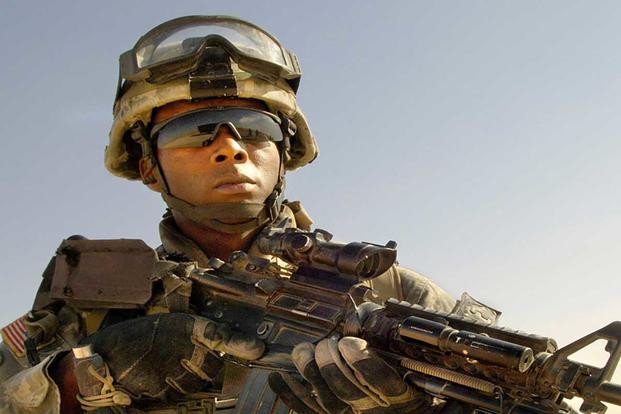
From professionals to the weekend shooters, eye protection is a must. Source: military
Ear Protection
At 18, on a January morning in the middle of the woods of North Carolina, I distinctly remember stepping up to a firing line with an M16A4 in my hands without realizing that I left my ear protection in my day bag.
Guess who figured out very quickly the importance of ear protection when that first shot went off, as well as the shots from the other M16A4s to my left and right?
After 30 ear-splitting rounds of 5.56×45 later, I rushed to put in my earplugs again. I remember vowing never to forget them as my ears rang bloody murder.
When shooting indoors, two sets of ear protection are vital—in-ear and over-the-ear.
I wholeheartedly recommend Howard Leights or Walker Slims for outdoor and indoor shooting; add a simple set of disposable foam earplugs for the latter.
Long Pants
Any shooter who has ever had hot brass pressed against their ankle understands why long pants are necessary. Brass has a habit of getting in the weirdest places, and your ankle is no exception.
Wearing longer pants is the best way to ensure that doesn’t happen. You want to protect as much skin as possible, not only from hot brass but also from metal fragments.
The pants you choose should allow you to move freely and be worn with closed-toe shoes. While tactical pants can be handy, any long, durable pants should do just fine.

Extra pockets never hurt. Source: 5.11tactical
Shooting Outdoors
Shooting outdoors presents its own set of challenges, especially if you’re shooting steel targets. That’s not to mention bugs, the elements, or the terrain.
All of the PPE you would use at an indoor range should be utilized outdoors as well, but depending on the kind of shooting you’re doing and how far away you’ll be from your targets, there are some extra things to pack when you’re shooting outdoors:
- Jacket or sweater (Weather repellent works well)
- Extra socks
- Shoes that will accommodate the terrain
- Long sleeve shirt
- Shooting gloves
- Water
- Snacks
Here’s the twist: PPE goes beyond protecting your ears and eyes. You don’t want to be cold and wet, especially not wet feet; those are the worst. You also have to stay hydrated and keep your blood sugar up.
What else you might need depends on your location and the terrain you’re shooting in. Someone in Arizona might need different protective equipment than someone in Alaska.
And if you’re going to be moving and shooting, dropping to your knees, going prone, you may need protection for your knees, arms, and face. I’ve seen some go as far as wearing a mouthguard. Granted, they were damn-near dolphin diving to the floor.
You don’t need to pack the kitchen sink, but you should have enough to get you back home in a worst-case scenario.
Think outside of the box.

In some cases, you may even want a vest. Source: reddit
Conclusion
PPE is meant to keep you in the shooting game for the long run. You would be surprised to learn how many great shooters have hearing loss because they didn’t use their ear protection, and I know some who have lost more than that.
At the bare minimum, you need ear and eye protection. Make sure that they fit correctly as well. You have to protect your most valuable assets.
As you progress as a shooter, you will find the right gear for you, but you must always ensure you have the essentials covered.
Be good and take care.